The Dragon Ball multiverse is bigger, and wilder, than folks usually imagine. Since launching into Dragon Ball Super, the franchise has exploded beyond one universe, revealing twelve unique universes, alternate timelines, and pocket dimensions. It’s not just about Goku anymore.
This overview dives into how the Dragon Ball multiverse works, breaking down its inner structure, who runs the show, and how different universes connect. You’ll get a look at official storylines, the fandom’s wildest theories, and the many ways fans keep the multiverse alive online. Whether you’re here to learn what’s canon or you’re chasing the weirdest fan-made timelines, you’re in the right place. Prepare for a tour through a cosmos full of epic battles, surprising rules, and more Goku variants than you might think possible.
Understanding the Dragon Ball Multiverse Structure
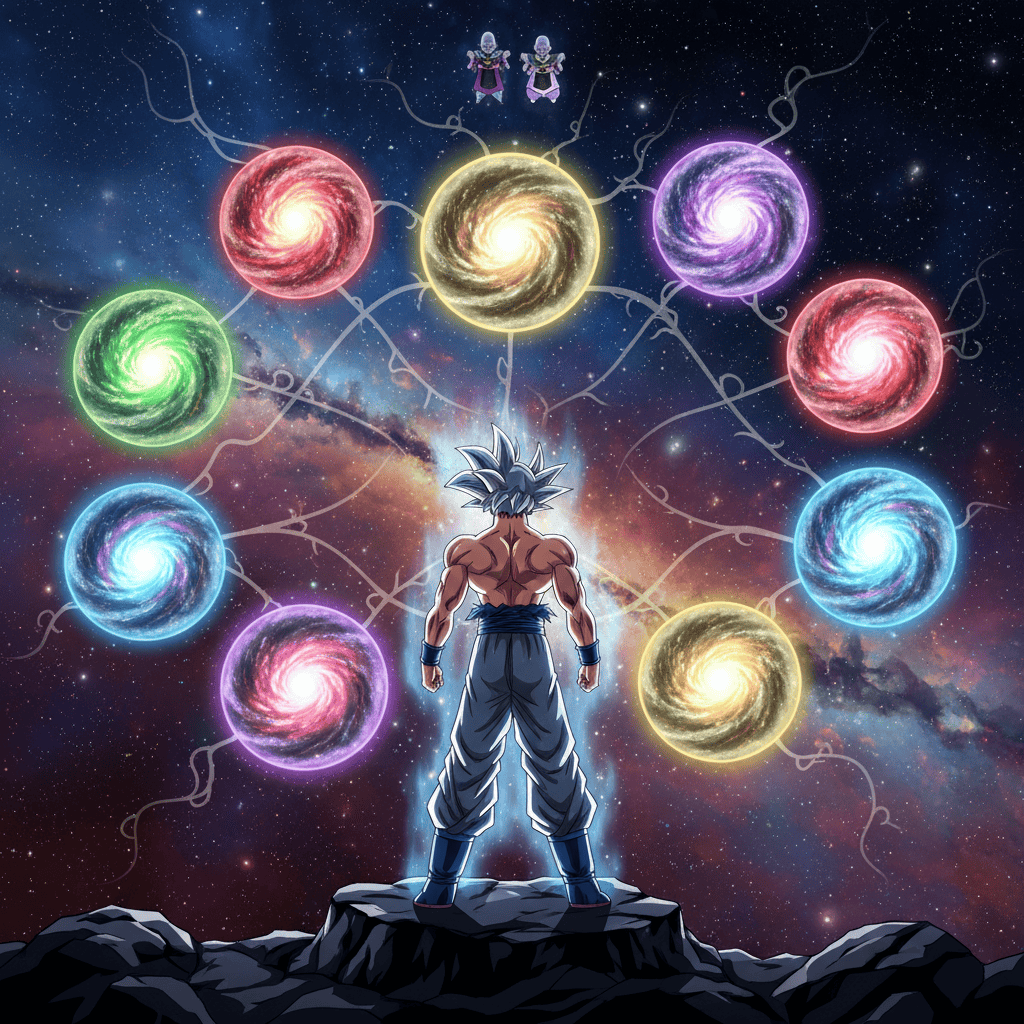
Step into the world of Dragon Ball, and suddenly, it’s not just a story about one universe anymore. The multiverse is made up of more than just different planets; it includes a tangled web of universes, alternate timelines, and rich dimensions, each with its own history and rules. This set-up lets the franchise push boundaries—think bigger fights, stranger worlds, and contradictions that somehow just work.
The idea of a multiverse in Dragon Ball is at the heart of its newer stories. It creates endless possibilities: what if Goku never landed on Earth, or if Frieza never went bad? Each universe holds its own roster of gods, civilizations, and power balances, turning Dragon Ball into a contest between worlds, not just people. The layers go even deeper with time travel and alternate histories, twisting what’s possible and setting up wild “what if?” moments.
This section sets up the rules for how all these moving parts fit together. It’ll lay out the difference between a universe, a dimension, and a timeline—because trust, Dragon Ball sometimes likes to blur the lines. And if you’ve ever wondered why the same character can be completely different depending on the universe, it’s all down to this structure. Let’s map it out from the top before diving into the details of each universe and how timelines and dimensions actually work in this ever-expanding saga.
Overview of the 12 Universes and Ruler Roles
- Universe 1: Known for its high level of development, this universe is home to advanced civilizations that rarely face conflict. Its supreme ruler setup is identical to others: Zeno sits at the top, with an Angel and Supreme Kai guiding the local God of Destruction.
- Universe 2: The universe of beauty, love, and color, featuring magical warriors like Ribrianne. Its societies value aesthetics and passion, which even influences its fighter styles.
- Universe 3: Renowned for its technology and cyborgs, this universe takes science to the max—think gears, wires, and AI. Its culture leans more robotic than martial.
- Universe 4: Famous for tricksters and illusionists, with a mysterious attitude and fighters skilled in sneak attacks. Its ruler dynamic matches the norm—Zeno at the top, then Angel and Kai.
- Universe 5: Briefly referenced, largely off-screen. Known for being especially well-ordered and not represented in the Tournament of Power.
- Universe 6: Universe 7’s “twin,” featuring alternate versions of Saiyans (like Cabba and Kale), as well as the powerful assassin Hit. Its planets and races often parallel ours—with some unique surprises.
- Universe 7: The main stage for Dragon Ball Z, Super, and most classic stories. It’s where Earth, Namek, and Frieza’s army reside. Goku, Vegeta, and most fan favorites hail from here, watched over by Supreme Kai, Beerus (God of Destruction), Whis (Angel), and, ultimately, Zeno.
- Universe 8: Cited as balanced and efficient, though little shown. It mirrors the administration style of other universes.
- Universe 9: Often called the universe of rogues and survivalists. Its fighters rely on cunning, and its social structure is notoriously rough.
- Universe 10: Known for a steady, honorable culture. Universe Zamasu, an important Supreme Kai trainee, comes from here—his divergence there triggers major storyline events.
- Universe 11: Home of the Pride Troopers and Jiren, this universe values justice and order above all else. Their team functions almost like intergalactic superheroes.
- Universe 12: Not much is revealed, but it’s said to focus on time and possibly advanced science.
- Zeno (Omni-King): The absolute ruler above all universes. Childlike but with terrifying power, Zeno can erase entire universes in one swoop and serves as the ultimate cosmic judge.
- Grand Priest: A supreme advisor, second only to Zeno. He coordinates the Angels and multiversal administration.
- Angels: Each universe is assigned a wise, powerful Angel, tasked with counseling their God of Destruction and keeping balance.
- Gods of Destruction: One per universe, these beings maintain universal balance mainly by destroying (not creating) threats to cosmic order.
- Supreme Kais: The creative opposites to Gods of Destruction, Kais guide and protect the universe, often focusing on creation and nurturing life.
Dimensions and Alternate Timelines in Dragon Ball

In Dragon Ball, a “dimension” usually means a separate realm, like the Afterlife, Room of Spirit and Time, or even gods’ realms. These exist alongside, but distinct from, the main physical universes.
“Alternate timelines” are created by time travel or major changes in history—think of Future Trunks’ timeline, where Androids destroy Earth, or the history split caused by Cell. Each timeline can have different outcomes, so characters may have alternate versions across these worlds. Interactions sometimes happen, but tampering can trigger serious consequences and even new branches. Dimensions create boundaries, while timelines highlight “what if” possibilities, keeping Dragon Ball’s universe in near-constant motion.
The Story and Evolution of the Multiverse in Dragon Ball
The Dragon Ball franchise didn’t always operate in multiverse mode. Early series focused on a single timeline and a handful of worlds, but as the stakes grew, so did the universe. The multiverse concept really took center stage in Dragon Ball Super, where new universes, rules, and cosmic authorities reshaped the narrative. Suddenly, the action wasn’t just on familiar turf—now, destruction and heroics could happen on a multiversal scale.
This expansion brought in new types of storytelling. Battles now spanned realms, with characters facing their own alternate versions or entirely new civilizations. Time-travel arcs—which started in Dragon Ball Z with Trunks and Cell—helped open doors to what-ifs and parallel futures, adding complexity to the story’s logic.
The creative team behind Dragon Ball expanded these ideas both to heighten drama and to offer fresh canvases for characters and plotlines. Production decisions played a big role—rolling out the multiverse gave writers freedom to introduce new favorites without rewriting the old ones. Fan response drove even more growth, as online communities and unofficial projects built on what’s canon, often running with the multiverse’s “anything-goes” mindset. This section explores how all these elements came together to transform Dragon Ball from a martial arts odyssey to a full-blown meta-cosmic saga.
Production History Behind the Dragon Ball Multiverse
The multiverse wasn’t part of Dragon Ball’s original plan. According to interviews with series creator Akira Toriyama, he wanted to “expand the playground” after years of telling stories in Universe 7. When Dragon Ball Super launched in 2015, producers and writers brainstormed new universes, each with distinct aesthetics and rules.
Toei Animation’s staff commentary reveals they struggled to balance new lore with classic storylines. Design notes show the multiverse was phased in gradually, partly in response to fan theories and partly to boost toy and game sales by introducing new characters. Creative risks paid off: Dragon Ball Super saw worldwide success, growing the fanbase and breathing new life into the series’ formula.
Major Locations and Worlds Across Different Universes
Hop aboard the Dragon Ball cosmic bus, and you’ll visit worlds way beyond Earth and Namek. With the introduction of twelve universes, each one comes with its own stand-out planets, stark landscapes, and societies you’d never confuse with each other. These settings shape the battles, drama, and even philosophies of each universe—some prioritize raw strength, others science or justice.
From godly palaces floating in nothingness to gritty city-ruled planets and deadly arenas, you’ll find locations that pulse with personality. Earth’s role as Goku’s home makes it a fan favorite, but places like Universe 6’s Sadala (home of alternative Saiyans), the destroyed planets of Universe 9, and the peculiar “Tournament of Power” void all add layers to Dragon Ball’s storytelling. Each location comes with its own dangers, opportunities, and legendary fighters.
It’s not only about the landmarks you see on TV. The multiverse is packed with hidden spots and training grounds, some canon and some crafted by fans. These lesser-known places often act as laboratories for new techniques or surprise cameos. From cosmic highways to sacred temples, the landscapes of Dragon Ball are as adventurous as the battles themselves. Let’s zoom into the nooks and corners that make this multiverse feel truly infinite.
Smaller Locations and Alternate Dimensions in the Multiverse
- Room of Spirit and Time (Hyperbolic Time Chamber): An isolated training dimension where time moves differently, allowing characters to train for a year in just one day. A classic go-to for last-minute power-ups.
- Supreme Kai Realm: Hidden from mortal eyes, this divine world is where Supreme Kais convene and train. It acts as a strategic outpost for multiverse watchers.
- Arena of the Tournament of Power: A pocket void specifically created by Zeno and the Grand Priest, where time, space, and destruction rules don’t work the same way.
- Otherworld: The realm for the dead—including King Kai’s planet and Hell—existing apart from mortal universes but constantly influencing the living world.
- Fan-Made Realms: Online fan projects often introduce customized zones like multiversal “fusion worlds” or battle areas, many gaining cult status in Dragon Ball communities.
Tournament of Power Story Across Parallel Universes
The Tournament of Power is where Dragon Ball’s multiverse truly takes the spotlight. Instigated by Zeno, the all-powerful Omni-King, this event brings together teams from eight out of the twelve universes. Each squad chooses ten fighters to duke it out in a chaotic, rule-bending battle royal. The stakes? Existence itself—losing universes get erased on the spot.
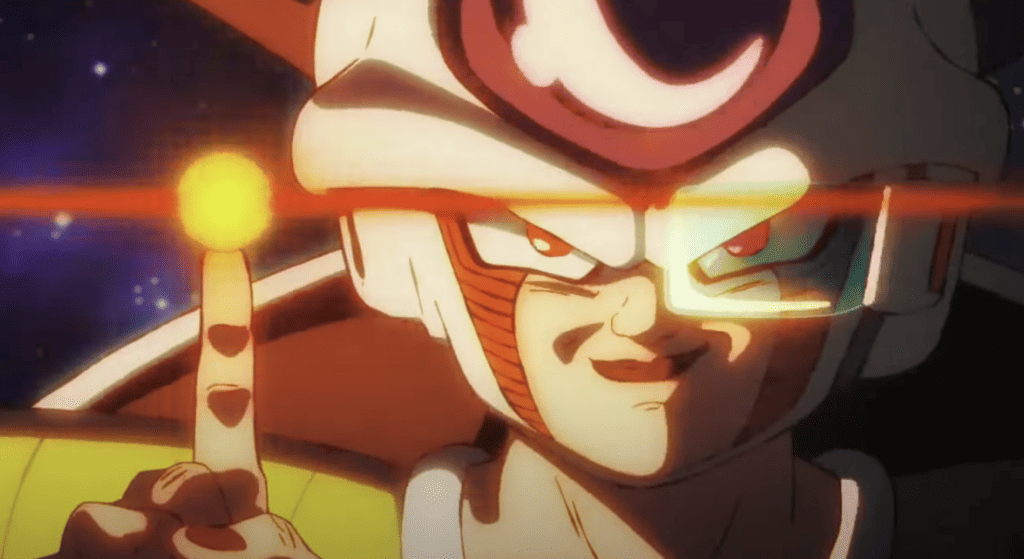
Throughout Dragon Ball Super’s “Universal Survival” arc, this tournament introduced new fan-favorite characters—Jiren the stoic juggernaut, Universe 6’s alternate Saiyans, Frost the evil Frieza counterpart, and more. Strategies ranged from brute force to clever teamwork, with surprise alliances and betrayals thrown in. Goku’s clash with Jiren and the unveiling of Ultra Instinct became instant classics.
Rules were strict: no killing, no flying (unless you had wings), and stepping out means elimination. But the real shocker was the ripple effect—every punch and choice here didn’t just affect the tournament, but also sent waves across timelines, shaping the fate and future of each universe. The result was more than just action—it tested each universe’s ideals, strength, and sense of hope, building a multiversal legend that’s still fueling theories and debates today.
Fan Theories, Multiverse Trivia, and Fun Facts
- Zeno’s Erasure: The Omni-King can delete not just planets, but entire universes and timelines—he even wiped six universes before the show began.
- Fan-Created Universes: Many online fan projects have designed their own universes, some inspired so well they’re often mistaken for canon.
- Alternate Gokus: Some timelines feature Goku as a villain or even a scholar, with wildly different powers—prime fuel for fan debates.
- Production Easter Eggs: Akira Toriyama has hidden references to past series and staff names in the designs of gods and angels.
- Power Level Hierarchy: Not all universes are equal—officials like Grand Priest and Zeno sit at the very top while even the strongest fighters remain far below their power scale.