
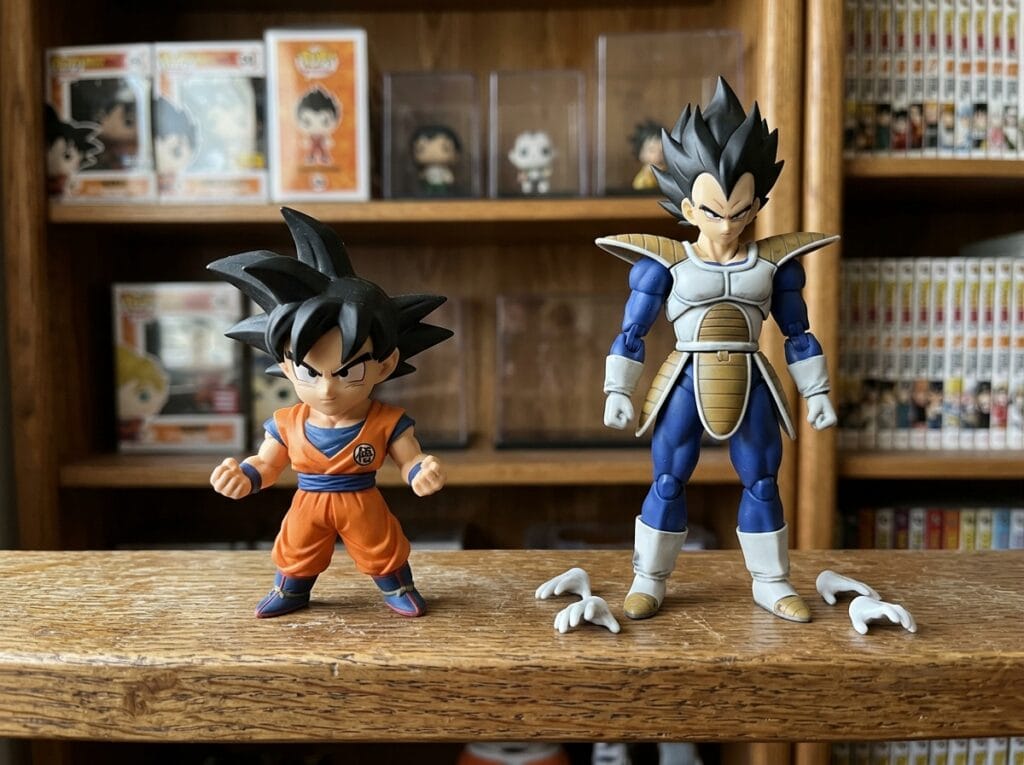
If you have ever stood in the candy aisle of a Japanese convenience store, you have likely faced the ultimate collector’s dilemma: Adverge vs Shodo figures. Both of these Bandai series offer incredible detail for a candy toy price, but they couldn’t be more different in your hand. While one line focuses on a cute, stylized look that fits perfectly on a crowded desk, the other is essentially a high-quality action figure shrunken down to pocket size.
Choosing between the two depends entirely on whether you value artistic style or playability. Adverge figures are famous for their chibi proportions and high-end sculpts, making them the gold standard for static displays. On the other hand, Shodo figures are built for action, offering a level of articulation that rivals much more expensive collectibles. I want to help you decide which of these tiny titans is actually worth your hard-earned cash and which style belongs on your shelf.
Key Takeaways
- Choose Adverge figures for a ‘set it and forget it’ display that prioritizes a consistent, stylized chibi aesthetic and high-quality paint over movement.
- Opt for the Shodo line if you value playability and toy photography, as these figures offer high-end articulation and realistic proportions in a pocket-sized frame.
- Select Adverge for tight workspaces and crowded shelves where stability and a small 2-inch footprint are necessary to avoid clutter.
- Utilize Shodo figures to recreate dynamic action scenes and iconic battle stances thanks to their functional joints and interchangeable accessories.
Adverge Stylized Sculpting And Display Appeal
The Adverge line is my top recommendation if you want high-quality figures that take up almost no space on your desk or bookshelf. These figures use a stylized chibi aesthetic, which means they have oversized heads and smaller bodies that give them a really charming and cute look. Unlike the Shodo line, which focuses on a static display, moving parts and realistic proportions, Adverge figures are mostly static with very few joints. This lack of articulation allows the sculptors to focus entirely on the paint job and the high-end sculpts of the character’s design. I love how the colors always pop, making them look like premium collectibles despite their small size. Dragon Ball Z episode 280, Vegetas Respect.
If you are looking for the perfect workspace companion, the fixed poses of the Adverge series make them much easier to display than the poseable Shodo figures. You do not have to worry about them falling over or losing their balance because they are designed to be sturdy and stable right out of the box. I find that the deformed look makes characters like Frieza or Cell look surprisingly approachable without losing their iconic menace. They serve as excellent conversation pieces that fit comfortably between your computer monitor and keyboard. Since they are only about two inches tall, you can easily collect an entire roster of characters without cluttering your desk. Dragon Ball Z episode 120, Freeza Defeated.
When deciding between these two candy toy lines, you should choose Adverge if you value a consistent, artistic look over playability. These are not meant to be played with like action figures, but rather admired as tiny statues that capture the essence of a character in a single glance. The quality control on the paint is usually a step above the articulated lines because there are no joints to break up the sculpt. I personally prefer this style for my office because it looks more like a deliberate art collection than a pile of toys. It is the best choice for anyone who wants a set it and forget it display that looks sharp under any lighting. Dragon Ball Z episode 188, A Hero’s Farewell.
Shodo Articulation And Pocket Action Play

If you are looking for a figure that actually moves, the Shodo line is the clear winner for your desktop collection. Unlike the static Adverge figures that act as cute paperweights, Shodo figures feature incredible articulation that mimics much larger action figures. You get functional joints at the neck, shoulders, elbows, and knees, allowing you to recreate iconic battle stances right at your desk. It is honestly impressive how much engineering is packed into a four-inch frame. These are often called pocket-sized versions of high-end collectibles because they offer a level of articulation that offers similar poseability for a fraction of the price. Dragon Ball Z episode 229, Goku vs. Majin Vegeta.
The 1/12 scale proportions make these figures a dream for anyone interested in toy photography. Because they follow realistic human anatomy instead of the chibi style, they look fantastic in dioramas or outdoor shots. You can easily swap out their hands to hold accessories or perform specific martial arts strikes. I love setting them up in dynamic mid-air kicks or classic power-up poses during my lunch break. This level of detail ensures your display never feels boring or stagnant. Dragon Ball Z episode 5, Goku’s Ancestry.
Choosing Shodo is the right move if you want a playable piece of art rather than just a shelf filler. While the Adverge line focuses on a specific cute aesthetic, Shodo is all about capturing the energy of an action scene. You can spend hours tweaking a pose to get it just right, which is perfect for collectors who like to interact with their toys. They fit perfectly in a pocket or a small bag, making them the ultimate travel companion for photography enthusiasts. If you want your collection to feel alive, these articulated micro-figures are worth every penny. Dragon Ball Z episode 30, Goku’s Unusual Journey.
Size Comparison And Accessory Differences
When you are deciding between these two lines for your desk, the first thing you will notice is the significant difference in height and presence. Adverge figures are tiny powerhouses that stand only about 4 to 5 centimeters tall, making them perfect for tight spaces or crowded shelves. Because they use a chibi style with oversized heads, they pack a lot of personality into a very small footprint. On the other hand, Shodo figures are much taller at around 10 centimeters and use realistic human proportions. This height difference means Shodo figures feel more like traditional action figures, while Adverge pieces act like high quality tokens or charms. Dragon Ball Z episode 1, The New Threat.
The accessories included in each box really highlight the different goals of these two collections. Adverge figures are designed for simplicity, usually coming with a small, discreet clear plastic stand that clips onto the foot to keep the figure upright. Since these are static statues, you do not have to worry about extra parts falling off or getting lost. Shodo figures are the complete opposite and often come with a variety of interchangeable hands and signature weapons. These extras allow you to recreate iconic battle stances, such as Goku preparing his signature Kamehameha wave. Dragon Ball Z episode 32, Battle in the Clouds.
If you are a collector who enjoys set it and forget it displays, the minimalist Adverge approach is likely your best bet. You get a beautiful sculpt that stays put without any fuss or tiny pieces to manage. However, if you love the idea of a miniature articulated figure that you can re-pose every few days, the Shodo line offers much more value. Shodo gives you the tools to build a dynamic scene, while Adverge provides a consistent, stylized look that fits almost anywhere. Choosing between them really comes down to whether you prefer the artistic look of a statue or the interactive fun of a miniature action figure. Dragon Ball Z episode 105, Mighty Blast of Rage.
Choosing Between Static Style Or Posable Play

If you are looking for a charming display that adds a pop of personality to your desk without taking up much room, the Adverge line is your best bet. These figures feature a chibi style with oversized heads and small bodies, making them look incredibly cute and artistic. Since they are static or have very limited movement, you do not have to worry about complex posing or loose joints over time. They usually stand about two inches tall, which is perfect for lining up a whole army of characters on a small shelf or monitor stand. You get a lot of sculpted detail and vibrant paint for a very low price, making them great for collectors who just want a clean look. Dragon Ball Z episode 219, The Energy Drain.
On the other hand, the Shodo series is designed for those who want a miniature action figure experience that fits right in their pocket. These figures use realistic human proportions and feature an impressive amount of articulation for their four-inch size, including joints at the knees and elbows. You can recreate your favorite fight scenes or dramatic stances, giving you way more options for photography or interactive play. They offer so much movement despite their small candy toy origins. If you enjoy changing your display frequently to keep things fresh, the posability of Shodo makes it the clear winner for your collection. Dragon Ball Z episode 185, Awakening.
Choosing between the two really comes down to whether you value a consistent artistic style or the ability to play with your figures. Adverge is fantastic for a set it and forget it display where the focus is on the adorable aesthetic and uniform height. Shodo is better for fans who want to experiment with different poses or even carry a figure around for some quick desk-side fun. Both lines are very affordable and usually come with a small piece of gum, keeping the hobby accessible even on a tight budget. Think about your available shelf space and whether you prefer a stylized look or a miniature version of the real character before making your final purchase. Dragon Ball Z episode 286, Spirit Bomb Triumphant.
Adverge vs. Shodo: Finding Your Perfect Desk Companion
Choosing between these two legendary candy toy lines really comes down to how you like to decorate your workspace. If you have limited desk space and want a pop of color without the clutter, Adverge is the clear winner for you. These figures act more like high quality statues that look great from any angle without needing constant adjustment. Their chibi style brings a charming, artistic vibe to your setup that feels more like a designer collectible than a traditional toy. You should buy Adverge if you value a consistent, cute aesthetic and a quick setup that requires zero effort to maintain.
On the other hand, Shodo is the perfect choice for the collector who wants a hands-on experience at a micro scale. These figures are essentially pocket sized action figures that let you recreate your favorite battle poses during a quick work break. Because they use realistic proportions and feature impressive articulation, they offer much more play value for your money. I recommend Shodo if you enjoy photography or if you are the type of person who likes to change your display every few days. Both series are worth the investment, but you should consult the ultimate authenticating Bandai figures guide to ensure you are getting genuine products for your collection.
Frequently Asked Questions
1. What is the main difference between Adverge and Shodo figures?
The biggest difference is that Adverge figures are stylized chibi statues while Shodo figures are poseable action figures. Adverge focuses on cute designs and high quality paint, whereas Shodo is all about articulation and movement.
2. Are Adverge figures easy to display on a desk?
Yes, these figures are perfect for small spaces because they are sturdy and come in fixed poses. You won’t have to worry about them falling over or losing their balance like you might with a poseable figure.
3. Can I move the arms and legs on a Shodo figure?
You absolutely can because Shodo figures are built with multiple joints for maximum playability. They offer a level of articulation that rivals much more expensive collectibles, allowing you to recreate your favorite battle scenes.
4. Which series has better paint and sculpting details?
Adverge usually takes the lead in this department because the lack of joints allows sculptors to focus entirely on the fine details. The colors really pop and the sculpts look like premium collectibles despite their tiny size.
5. Are Shodo figures good for playing and posing?
They are the best choice if you enjoy changing the look of your display or playing with your figures. Since they are essentially shrunken down action figures, you can pose them in almost any way you can imagine. Much like the S.H. Figuarts comparison, these smaller lines offer a range of quality for different budgets. For those looking to expand their collection further, check out the ultimate S.H. Figuarts buying guide to find even more detailed options.
6. Which one should I choose if I have limited shelf space?
I recommend the Adverge line if you want high quality pieces that take up almost no room. Their compact chibi style makes them the gold standard for crowded bookshelves or tiny workspace setups with a 2-inch footprint that fits anywhere.
7. Do these figures cost a lot of money?
Both series are sold at a candy toy price point, making them very affordable for any collector. You get incredible detail and character accuracy without having to spend a fortune on larger scales.

