
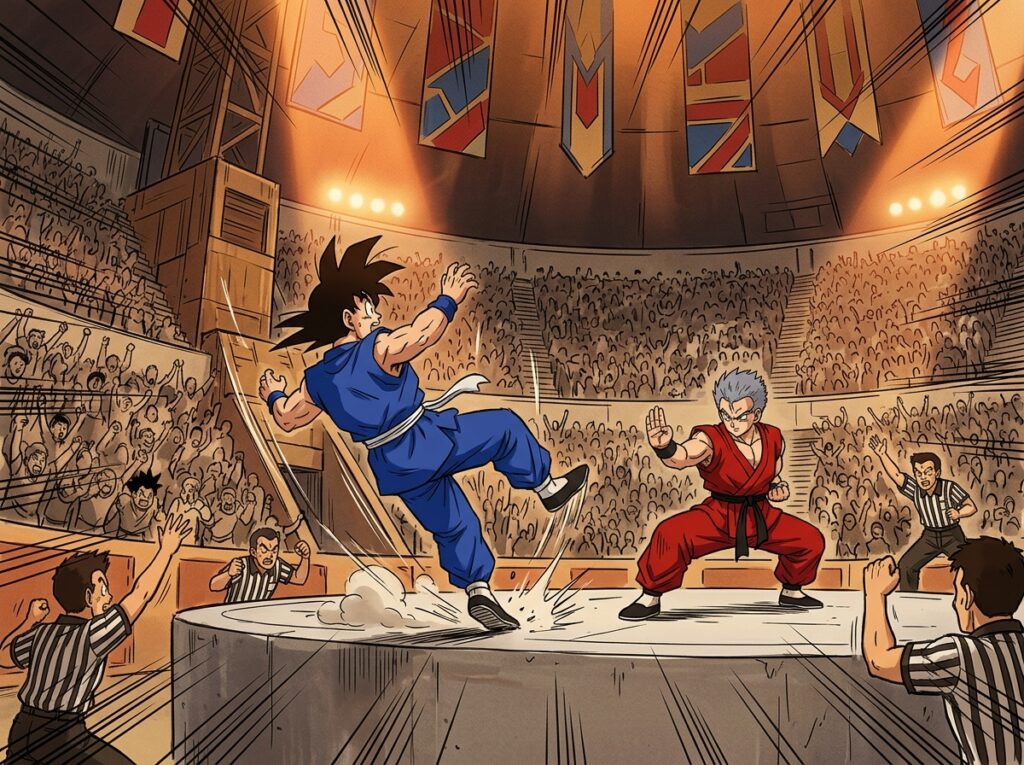
A clean strike in one tournament could earn points, while the same move in another could bring a warning or disqualification. I’ve learned that understanding world martial arts tournament rules starts with one key fact: no single rulebook applies to every event. Rules can change based on the discipline, competition format, age group, experience level, contact limits, and scoring system.
Before stepping onto the mat, I need to know what officials allow, how matches are scored, which techniques are legal, and what protective equipment is required. A forms competition may judge balance, timing, and control, while a sparring event may focus on accurate techniques, safety, and point values. Knowing these details helps me prepare with confidence and avoid costly mistakes.
Key Takeaways
- Martial arts tournament rules are not universal; they vary by discipline, format, age group, contact level, scoring system, and division. Always review the specific event’s official rulebook before competing.
- Matches are commonly decided by ring-out, surrender, inability to continue, disqualification, or judges’ scoring—not only by knockout. Ring boundaries, time limits, referee decisions, and event-specific procedures can determine the winner.
- Legal techniques, target areas, force limits, transformations, weapons, and outside assistance differ between tournaments. Illegal attacks, excessive contact, post-stop strikes, killing, weapons, or interference can result in warnings, point deductions, stoppages, or disqualification.
- Prepare by confirming your division, scoring system, match limits, permitted techniques, protective equipment, ring rules, and procedures for injuries, protests, warnings, and disqualifications.
Tournament Format And Match Limits
The World Martial Arts Tournament begins with qualifying rounds that narrow a large group of fighters into a manageable main bracket. In the classic format, competitors face one opponent at a time before advancing through the quarterfinals, semifinals, and final match. I find this structure easy to follow because every win moves a fighter closer to the championship, while one loss usually ends the run. The bracket also creates varied matchups, since technique, stamina, and strategy matter as much as raw strength. Fighters who fail to qualify do not enter the featured rounds, even if they have enough skill to impress the crowd.
Each match ends when a fighter leaves the ring, surrenders, becomes unable to continue, or loses through a clear violation. A ring-out is especially important because victory does not require knocking an opponent unconscious. A fighter only needs to force the opponent beyond the designated boundary. When an injury prevents a competitor from continuing, officials generally advance the other fighter instead of delaying the entire tournament. Judges and referees settle unclear situations, including simultaneous falls, illegal attacks, and interference from outside the match. The rules also restrict actions that could turn a sporting contest into a deadly fight, including attacks intended to kill and unfair assistance from spectators.
Later tournaments build on this basic design by changing the number of competitors, adding qualifying stages, or introducing separate divisions for younger fighters. These additions expand the event without changing its central idea, which is a series of one-on-one matches governed by clear limits. I also pay attention to how each tournament handles unusual situations because a fighter may win through a technical decision rather than a clean knockout. Special circumstances can create controversy, but the rules for ring-outs, surrender, and inability to fight remain the main reference points. This format keeps the competition easy to understand while leaving room for new matchups and stronger challenges.
Legal Attacks And Special Restrictions

The World Martial Arts Tournament generally allows punches, kicks, and other direct attacks as long as a fighter does not deliberately kill an opponent. Energy attacks can be legal because the series treats them as part of advanced martial arts, but using one to cause needless death or severe harm can lead to disqualification. Weapons and outside equipment are usually restricted because the contest is meant to test the fighter rather than a tool. I also consider attacks from coaches, teammates, summoned creatures, or anyone outside the match to be illegal interference.
A ring-out remains one of the clearest ways to lose, even if the fighter is otherwise stronger. A contestant can also lose by becoming unable to continue, breaking a serious safety rule, or receiving the referee’s decision while both fighters remain inside the ring. Transformations are not automatically banned, so a fighter may use a new form when the rules do not specifically prohibit it. However, a transformation or technique that makes the match impossible to control could still result in a warning, stoppage, or disqualification.
Rules can change depending on the tournament era and division. Early events tend to present the contest more simply, while youth divisions may use shorter matches, stricter safety limits, and fewer dangerous techniques to protect younger fighters. Larger World Tournament events usually place more emphasis on ring-outs, referee calls, and preventing outside interference, even when they allow unusual abilities. I therefore review each match by checking the stated limits first, then separating legal skill from cheating, such as attacking after the bell or receiving help from someone outside the ring.
Ring Outs And Victory Conditions
In the World Martial Arts Tournament, I treat a ring-out as one of the clearest ways to lose. A fighter is defeated when any part of the body touches the ground outside the marked arena, even if that fighter is still conscious and ready to continue. Leaving the fighting area on purpose usually counts the same as being pushed or thrown out, so stepping beyond the boundary is a serious risk. The referee watches closely because a quick exchange near the edge can decide the entire match.
A fighter can also win when an opponent surrenders, becomes unable to continue, or remains unconscious for the tournament’s allowed count. Breaking major rules, using a forbidden weapon, killing an opponent, or ignoring the referee can lead to disqualification instead of a normal defeat. These conditions keep the competition focused on martial skill rather than causing permanent injury. I find surrender especially important because it gives a fighter a way to end the match before a dangerous knockout occurs.
Some matches are harder to judge when both fighters fall out at nearly the same time, the arena is damaged, or outside interference affects the result. In those cases, officials may review what happened, restart the contest, declare a draw, or rule the match invalid, depending on the tournament’s rules. A referee can also stop a bout if continuing would create an unfair or unsafe situation. These decisions matter because the tournament tests more than strength. It also relies on clear boundaries and impartial judgment.
Judging And Tournament Conduct

World martial arts tournament rules vary by event, but the referee usually controls the match from start to finish. Before the opening signal, the referee checks that both fighters are ready, confirms their safety equipment, and explains key limits such as the time limit and legal target areas. During the bout, the referee stops illegal techniques, separates fighters when needed, and may pause the action for an injury or rule question. A ring-out can end a round or match in some tournaments, while other events allow the fighter to return and continue. I always check these details in the tournament’s official rules.
When neither fighter scores a clear knockout, judges decide the winner using the scoring system for that discipline. They may consider clean strikes, effective defense, control, aggression, accuracy, or points awarded during the match. In point-based events, the fighter with more confirmed points usually wins, while some continuous-contact formats use round-by-round scores. If the match is extremely close, judges may compare overall performance or declare a draw when the rules allow it. I find it helpful to remember that a visible knockout is only one way to win. A fighter can also earn victory through consistent, legal scoring.
Good conduct matters inside and outside the ring, so prohibited behavior can lead to warnings, point deductions, disqualification, or suspension. Common violations include striking illegal areas, attacking after the referee calls a stop, using excessive contact, ignoring commands, or deliberately leaving the competition area. Spectators and teammates must not distract officials, enter the ring, coach during restricted moments, or interfere with either fighter. A referee can remove disruptive people, penalize the offending corner, or stop the match if interference affects safety or fairness. These penalties help ensure that world martial arts tournament rules protect both competitors and the integrity of the event.
How Fighters Win Under Tournament Rules
The World Martial Arts Tournament rules are simple enough to follow but flexible enough to create surprises. I focus on four essentials: staying within the ring, following the match time limit, obeying restrictions on illegal attacks, and accepting the judges’ decisions. A ring-out usually ends the match, even when a fighter remains conscious. Leaving the arena voluntarily or becoming unable to continue can also lead to defeat. Judges determine the winner when neither competitor gains a clear advantage, making control, technique, and sportsmanship important alongside strength.
These rules are memorable because the tournament combines fair competition with dramatic exceptions. Fighters may face restrictions on weapons, outside interference, killing, or attacks that continue after a match has ended, although unusual events can test how those limits are applied. I find that this balance keeps each match easy to understand while leaving room for tension, surprise, and debate. When following any World Martial Arts Tournament battle, I watch the time limit, ring boundaries, judging, and special restrictions first because those details often decide the outcome.
Frequently Asked Questions
1. Are there universal world martial arts tournament rules for every event?
No, there is no single rulebook for every world martial arts tournament. I always check the rules for the specific discipline, event format, age group, experience level, contact limits, and scoring system before competing.
2. How is a world martial arts tournament usually organized?
Many tournaments begin with qualifying rounds that reduce the number of competitors before the main bracket. Fighters may then advance through the quarterfinals, semifinals, and final, with one loss often ending their tournament run.
3. How does scoring work in martial arts tournaments?
Scoring depends on the discipline and event format. In sparring, judges may award points for accurate, controlled, legal techniques, while forms competitions often score balance, timing, control, technique, and overall presentation.
4. Which techniques are legal in a martial arts tournament?
Legal techniques vary by organization, division, and contact level. I review the event rules for allowed strikes, kicks, throws, targets, and levels of force because a technique that earns points in one tournament may receive a warning or cause disqualification in another.
5. What protective equipment is required?
Required equipment depends on the tournament and the competitor’s division. Common items may include gloves, headgear, mouthguards, chest protection, shin guards, groin protection, and approved uniforms, so I confirm the exact equipment list before arriving.
6. How does a match end?
A match can end when one fighter leaves the ring, surrenders, cannot safely continue, or loses because of a serious rule violation. Officials may also stop the match when an injury makes it unsafe for a competitor to continue.
7. What happens if a fighter is pushed or steps outside the ring?
A ring-out can decide the match, even when no knockout occurs. Officials determine whether the fighter was forced out, stepped out, or left the boundary during an exchange, then apply the event’s specific penalty or victory rule.
8. What should I do before competing in a world martial arts tournament?
I read the official rulebook, confirm my division, learn the scoring system, and check the rules for legal techniques and contact levels. I also verify weigh-in times, match limits, protective equipment, ring boundaries, and the procedures for warnings, protests, injuries, and disqualifications.

