
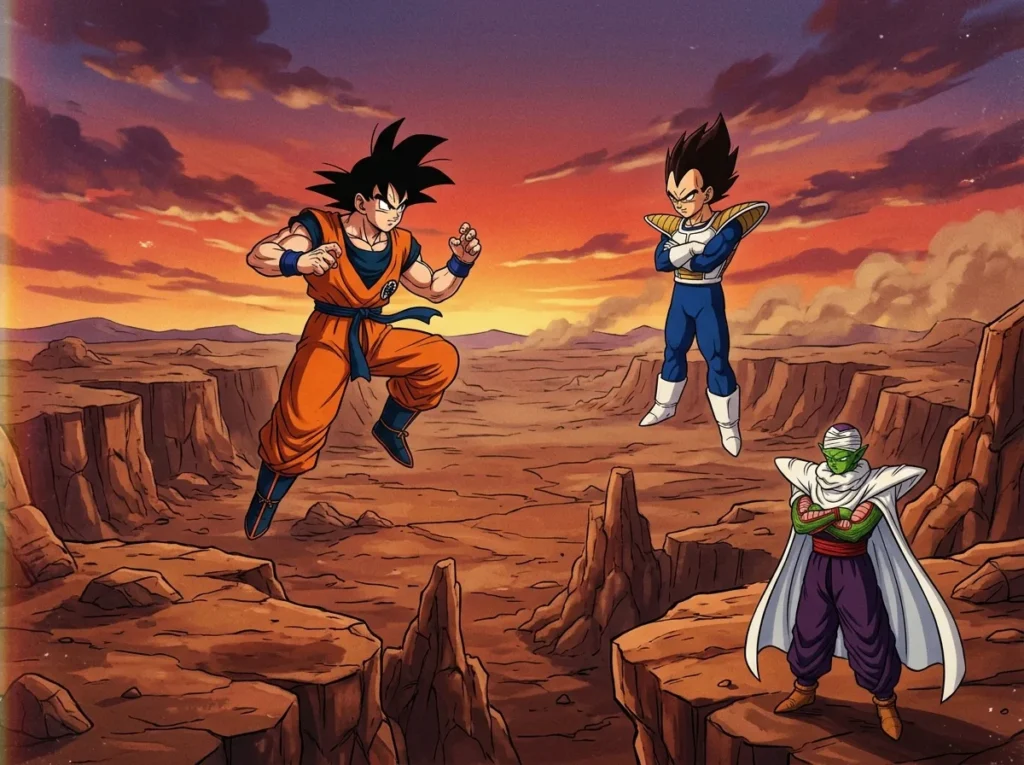
Dragon Ball character archetypes are the recurring story roles that appear across the cast, such as the rival, the mentor, the loyal friend, and the comic shapeshifter. They work as a lens for reading the series, not as an official character list, and they explain why many characters feel familiar even when their stories take surprising turns.
The original anime runs for 153 episodes, airing from February 24, 1986, through April 19, 1989, while the manga ran in Weekly Shonen Jump from 1984 to 1995. Over that long run, a teacher can be a hermit who trains a young fighter, and a former enemy can become a trusted protector. Spotting these roles gives fans who are rewatching or reading for the first time a fresh way to follow every saga.
Key Takeaways
- Dragon Ball character archetypes such as the rival, the mentor, the loyal friend, and the comic shapeshifter are an interpretive lens for reading the series, not an official character list from the franchise.
- Vegeta is the series’ clearest rival because he sees Goku as the opponent he has to beat, while Goku is mainly driven by a desire to grow stronger.
- Piccolo shows that a mentor can be a protector, since he trained Gohan for a year before the Saiyans arrived, leaving him to survive alone for the first six months and training him directly for the last six months.
- Readers who want to track the roles can follow Vegeta, Piccolo, and Oolong across the sagas, pacing a rewatch of the 153-episode original anime in saga-sized chunks.
What Are Dragon Ball Character Archetypes?
Dragon Ball character archetypes are the recurring story roles that show up across the cast. The core roles are the self-improving protagonist, the rival, the mentor, the loyal friend, the comic shapeshifter, and the ingenious companion. Each one describes what a character does in the story, not just what kind of person they are.
- The self-improving protagonist, who grows stronger through every new challenge
- The rival, who pushes another fighter to reach higher levels
- The mentor, who teaches and trains the next generation
- The loyal friend, who stands beside the hero in every fight
- The comic shapeshifter, who adds mischief and laughs to the story
- The ingenious companion, who solves problems with invention and clever ideas
Goku is the clearest example of the self-improving protagonist, since his drive to get stronger powers almost every arc. Vegeta starts out in the rival seat, but his bond with Goku changes as the story goes on, which is why many readers find him harder to pin down.
These roles are an interpretive lens, not an official character list from the franchise. Fans and critics use them as a reading tool to compare characters and notice patterns. A character can also play more than one role at different points, so the labels are a starting point for analysis rather than a fixed rulebook.
The series’ long run, which stretched across more than a decade of print and television, gave writers plenty of room to reuse these roles with fresh twists. That length is part of why the archetypes feel so familiar, even when a character surprises you.
Who Plays the Rival in Dragon Ball?
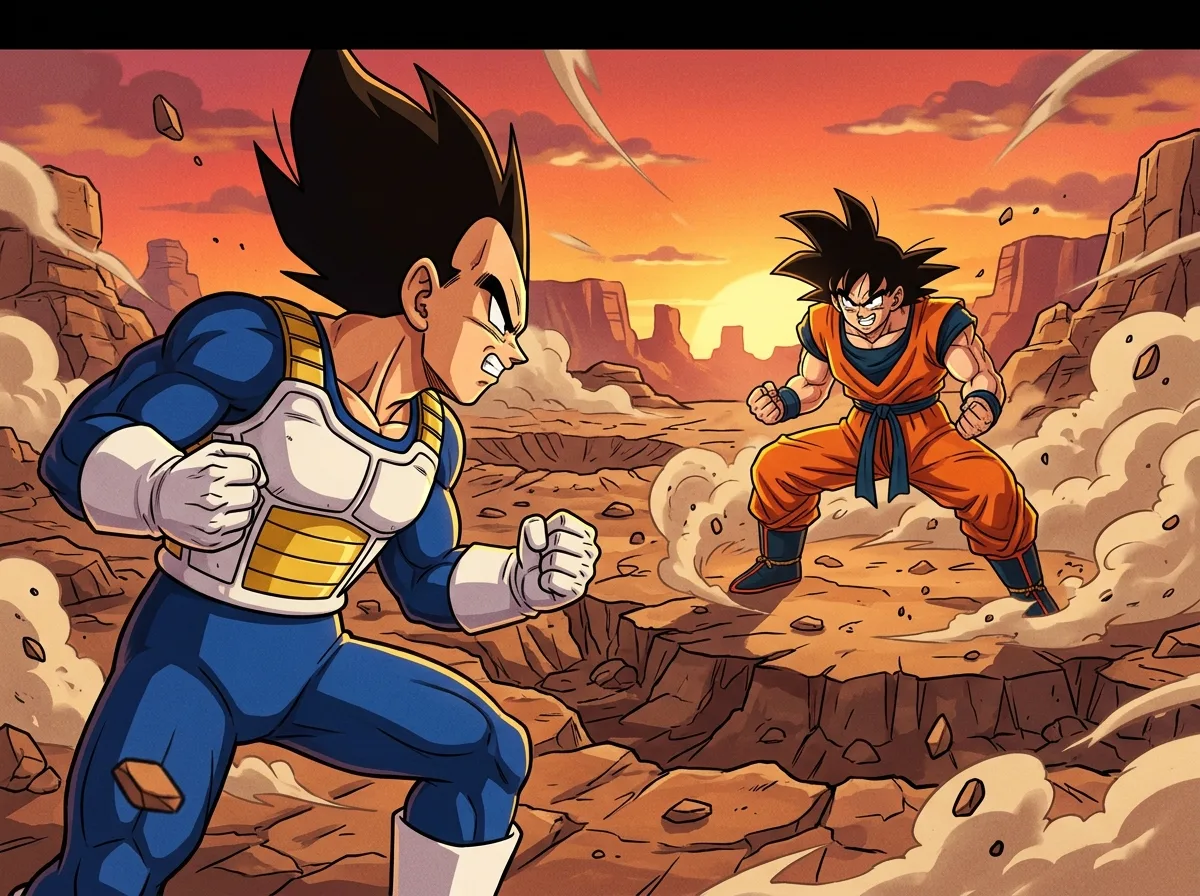
Vegeta is the series’ clearest rival. He starts out as an enemy who arrives on Earth hunting the Dragon Balls and looks down on its fighters. Over time, that hostility turns into a complicated bond, and he ends up fighting beside Goku against threats far stronger than either of them could face alone.
What separates Vegeta from a typical rival is his motive. Goku mostly wants to grow stronger for its own sake, and he is happy to test himself against anyone who can push him. Vegeta, by contrast, appears to see Goku as the opponent he has to beat. In a Dragon Ball Official Site interview, psychologist Nobuyuki Ota explains that Vegeta appears to regard Goku as a rival, while Goku is primarily driven by a desire to become stronger rather than by rivalry.
Ota also points to a wider pattern in the same interview. In a psychological survey, more than half of respondents said they had a rival. However, the share dropped significantly when they were asked whether that rival felt the same way about them.
That gap helps explain Vegeta’s storyline. He keeps chasing Goku even when Goku does not seem to be keeping score, which gives his scenes their tension and their sadness. Seen this way, his later teamwork with Goku feels earned rather than sudden, because the rivalry was never fully balanced to begin with.
How Do Mentors Like Master Roshi and Piccolo Shape the Cast?
Mentors are the characters who train the next generation, and in Dragon Ball that training is usually long and patient. Master Roshi and Piccolo show two sides of the role, one playful and one stern.
Master Roshi takes Krillin on first. Krillin travels to Kame House to become Master Roshi’s pupil, and that is where he first meets Goku and trains alongside him. Roshi gives Krillin a foundation, and he also places him beside the boy who becomes his closest friend.
Piccolo’s path starts from a darker place. Piccolo first trains intensively to get revenge on Goku, not to teach anyone. Only later does he form a temporary alliance with Goku against Raditz, a fight that puts two former enemies on the same side.
The real mentor turn comes with Gohan. Piccolo trains Gohan for a year before the Saiyans arrive. For the first six months, he leaves Gohan to survive alone in the wild. For the last six months, he trains him directly, step by step, until the boy is ready for a far bigger threat.
Piccolo’s early training was about beating Goku, while his training of Gohan is about protecting someone else. Mentors in Dragon Ball are less about teaching technique and more about preparing a student to stand up for the people they love. Roshi’s lessons build a friendship, while Piccolo’s lessons build a guardian.
Why Do Comic Relief Characters and Supporting Cast Matter?
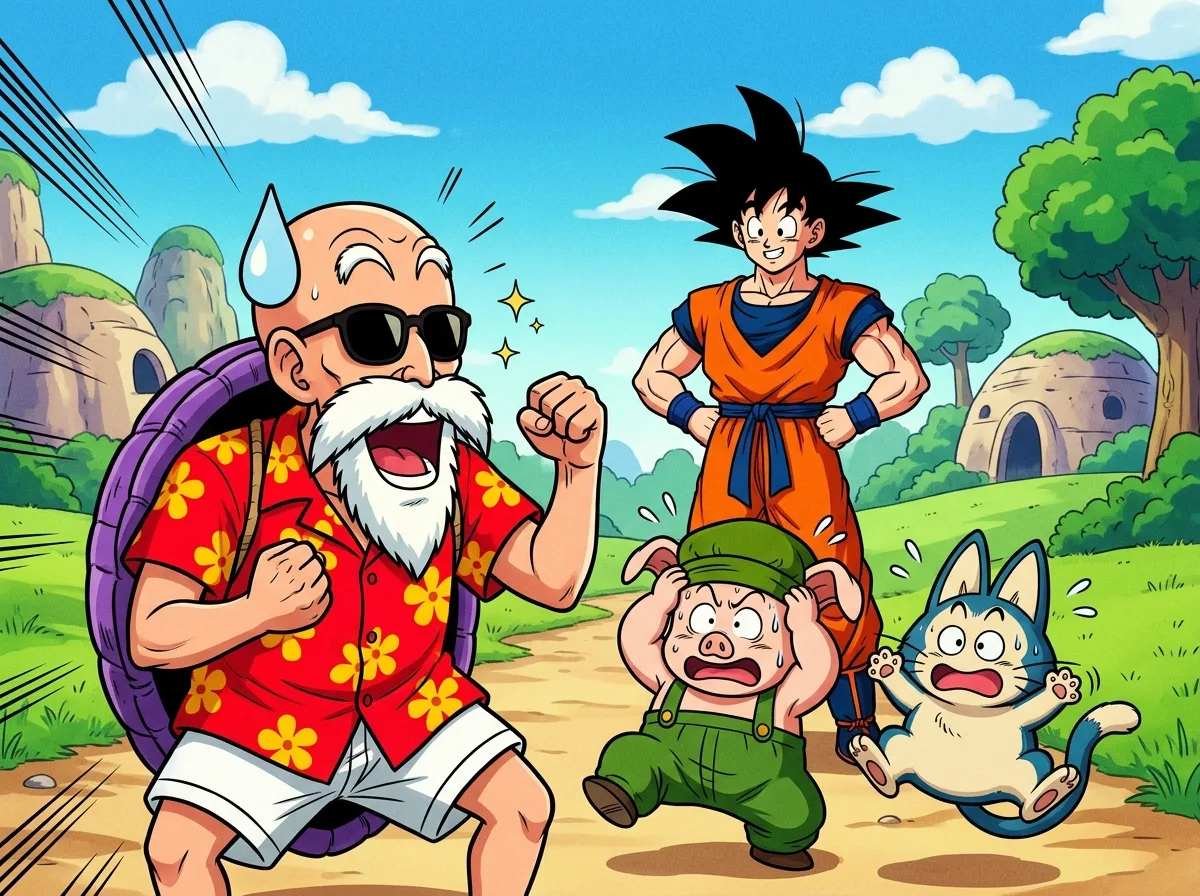
Comic relief and supporting characters matter because they keep the story moving in ways the main fighters cannot. They bring humor, clever inventions, and everyday practical help that shape what the heroes are able to do.
Oolong is the clearest comic shapeshifter in the cast. He is a pig-faced shapeshifter who was expelled from the Southern Shapeshifter School for stealing a female teacher’s underwear. That mischief gives him a cheeky personality, and his transformations lighten the mood during tense scenes, giving the audience a break before the next big fight.
Bulma shows that a supporting character can drive the plot forward. She is 16 when she sets out to collect the Dragon Balls, and she invented the Dragon Radar after noticing their faint electromagnetic pulse. Without her gadget, the group would have a much harder time finding the next Dragon Ball, so the quest depends on her ideas as much as on anyone’s punches.
Krillin offers a different kind of support. He fights alongside Goku, but his training with the group shows that a companion can grow and matter to the story without being the strongest fighter in the room.
Together, Bulma and Krillin prove that companions can push the plot along through invention and training, not only through combat. Their contributions turn the cast into a team, where each member has a job the heroes could not do alone.
How Do Villains Turn Into Allies Across the Sagas?
Villains become allies in Dragon Ball when a personal bond or a shared threat gives them a reason to drop their old goals. The pattern usually starts with a hostile meeting and ends with a former enemy fighting for the people they once tried to defeat.
Piccolo is the clearest example. He begins the story wanting revenge on Goku, and his early training is built around that anger. Over time, his focus shifts to Gohan, and he becomes the teacher who protects Goku’s son, so a former enemy ends up as the boy’s guardian.
Vegeta follows a rockier path. He arrives on Earth as an enemy, and his pride keeps him at odds with Goku for years. That same pride pushes him to fight harder when stronger enemies appear, and he eventually stands beside Goku. The franchise keeps returning to this teamwork. On January 25, 2026, the Dragon Ball Official Site announced that Dragon Ball Super: The Galactic Patrol had entered production, with Goku and Vegeta working alongside the Galactic Patrol against Moro.
Family ties are the strongest force behind these changes. Raditz, Goku’s older brother, is the reason the Saiyan threat reaches Earth at all, and his arrival forces Goku and Piccolo into an uneasy alliance. For Vegeta, his son Trunks and his wife Bulma become the reasons he keeps fighting, even when his pride tells him to walk away.
That is why the redemption pattern fits so well with protagonist development. Goku’s steady drive to grow stronger gives rivals a reason to keep climbing, and the bonds he builds slowly pull those rivals onto his side.
Do Dragon Ball Super and GT Change the Character Roles?
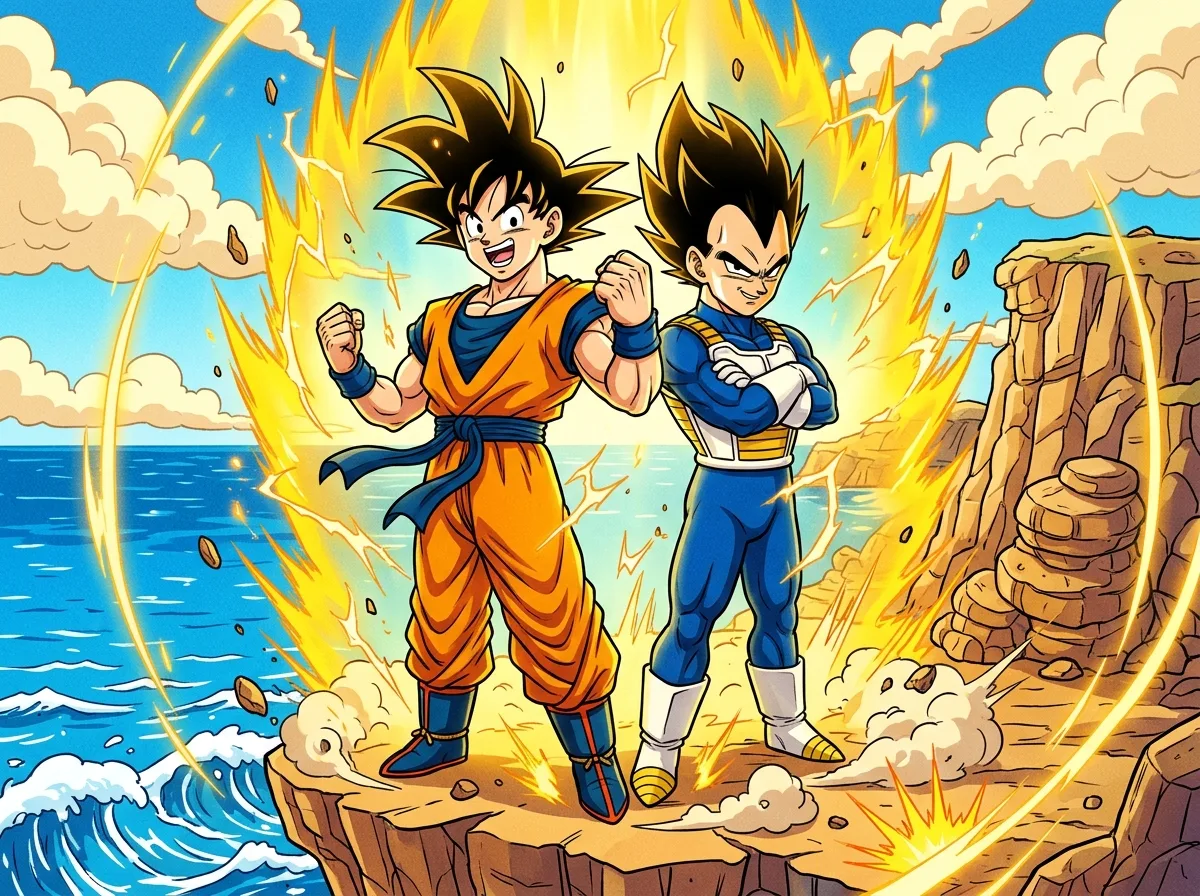
Yes, the newer series keep the same core roles, but they test them with new pairings and new settings. Dragon Ball Super leans hardest on the rivalry, while Dragon Ball GT reuses the familiar archetypes in a different world.
Dragon Ball Super: The Galactic Patrol entered production as a story following the anime’s Universe Survival Arc, with Goku and Vegeta working alongside the Galactic Patrol against Moro. That puts the two Saiyans back in the same fight, reviving the rival-turned-ally dynamic that began when Vegeta first arrived on Earth.
The enhanced anime Dragon Ball Super: Beerus is set to begin broadcasting and streaming in Japan on October 11, 2026. Its return gives fans another chance to watch how the roles play out in Super’s early story.
Recent announcements like these bring Goku-and-Vegeta teamwork back to the front, along with the rival-turned-ally pattern. Comparing that teamwork with Vegeta’s first clashes with Goku shows how much the relationship has changed.
Dragon Ball GT uses the same roles in a new setting, so the archetypes remain easy to spot. Because the cast and situations shift, each role often feels different, which makes GT a useful comparison point for anyone studying the franchise’s patterns.
Which Characters Do Fans Argue About Most?
Likability rankings often put Goku and Vegeta at the top, while Master Roshi and Krillin tend to land in the middle. Goku’s cheerful drive makes him easy to root for, and Vegeta’s pride and slow change give fans plenty to argue about.
Debates about which characters are best written usually center on Vegeta and Piccolo. Some fans praise Vegeta’s move from enemy to reluctant ally, while others argue that Piccolo’s shift from revenge to protection is the sharper arc.
Fanfiction borrows these roles and reshuffles them. The rival-turned-ally trope pairs two fighters who start as enemies and end up sharing a battle. The reluctant mentor trope has a stern teacher grumbling about training a student he secretly cares for. The comic sidekick who proves useful gives a joke character, like a shapeshifter, a moment where a silly skill saves the day.
Writers like these tropes because they let familiar roles meet new situations. A fan story might pair Piccolo with a student from outside the original cast, or send Krillin on a mission where his cleverness matters more than his strength.
Where to Start Your Own Character Role Read
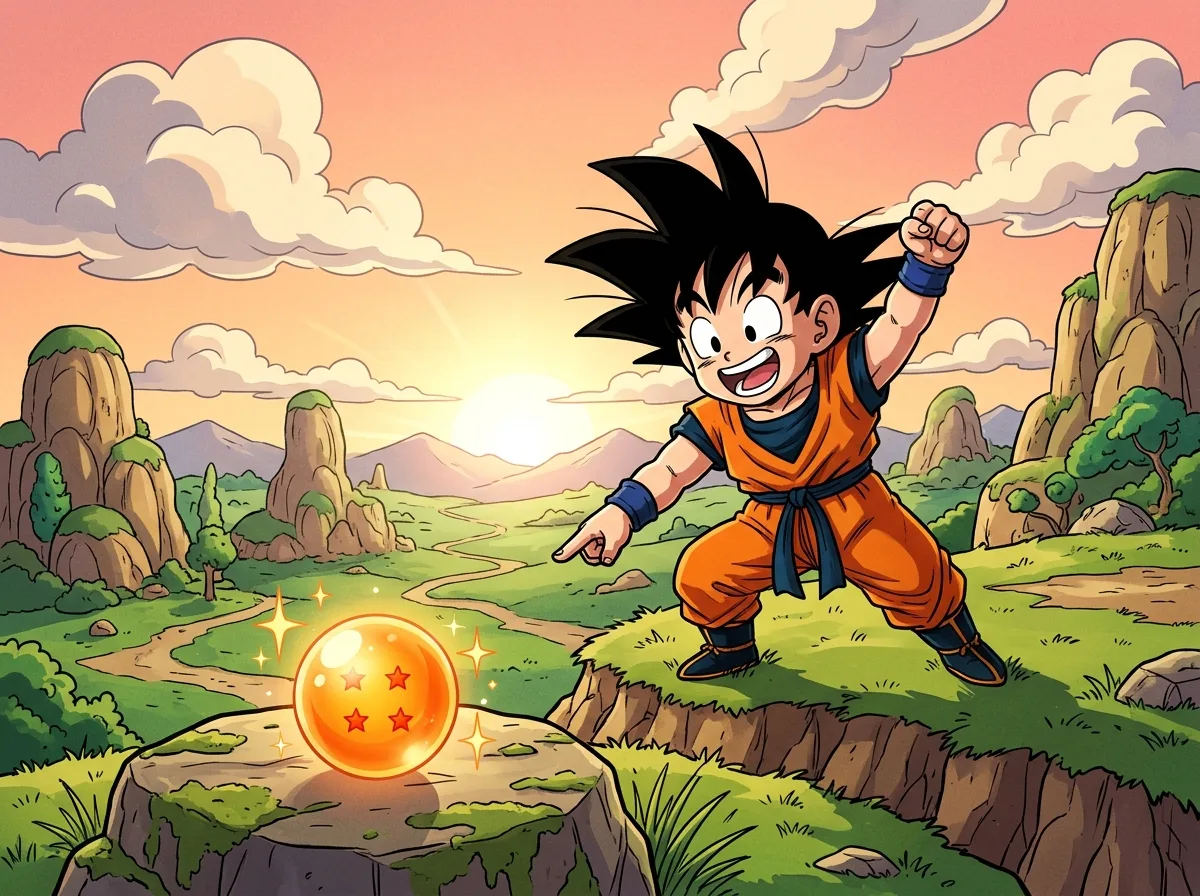
Start with a notebook or a note on your phone. Pick a character and mark which of the six core roles they play in each arc: protagonist, rival, mentor, loyal friend, comic shapeshifter, or ingenious companion. Write a line whenever a character’s role shifts, since those changes are often the most interesting moments.
To keep things manageable, follow three characters across the sagas: one rival, one mentor, and one comic character. Vegeta, Piccolo, and Oolong make a clear trio to track.
The original anime runs for 153 episodes, so plan your rewatch in saga-sized chunks. The manga ran from 1984 to 1995, so you can pace a reread around the same arcs and compare how each role changes on the page and on screen.
Plan Your First Saga Read
Start with a notebook or a note on your phone, and choose the Saiyan Saga as your first stop. It is where Vegeta arrives on Earth hunting the Dragon Balls, so the rival role is easy to spot from the first fight. Watch that saga in order, then write down which of the six core roles each main character plays in each block of episodes.
Next, add Piccolo and Oolong to your list and check whether they follow the same patterns. Piccolo’s move from revenge to protection is easiest to follow across the Saiyan and Namek sagas, while Oolong’s transformations show up throughout the early adventure scenes. Our character biographies for Vegeta, Piccolo, and Oolong can help you confirm the events before you record your notes.
When you finish a saga, compare your notes with a friend who has read the manga. The same character can feel different on the page than on screen, and those gaps often reveal the best role changes to explore next. Then move on to the next saga and see whether the rival still pushes Goku as hard as before.
Frequently Asked Questions
1. Can one Dragon Ball character fill more than one archetype at the same time?
Yes, a character can hold two archetypes at once, because the roles describe what a character does in a scene rather than who they are for their whole story. Vegeta, for example, can be a rival to Goku while also acting as a loyal friend when the two team up against a stronger threat. Labeling a character separately for each saga or fight makes these overlaps easier to spot.
2. Which Dragon Ball character fits the mentor role best apart from Master Roshi and Piccolo?
King Kai is one of the strongest choices, since he trains Goku in the Otherworld before Goku faces the Saiyans. His lessons focus on patience and preparation as much as raw power. Goku also takes on the mentor role himself when he trains Gohan, which makes him a good example of the role from the other side.
3. Does Oolong ever move beyond comic relief?
Oolong mostly stays in the comic shapeshifter role, and his jokes and transformations are his main contribution. His shapeshifting sometimes comes in handy in tight spots, which lets him help the group in small but useful ways. He is rarely a main fighter, so his role stays closer to a helpful sidekick than a protagonist.
4. Which archetype does Android 18 most closely match?
Android 18 fits the loyal friend role most closely, since she fights to protect her family and the people close to her. She starts out as an android built to attack Goku, so she can also be read as a reluctant ally, much like Vegeta. Krillin, her husband, is the clearest companion to compare her with when you study her role.
5. Are the six core roles the only Dragon Ball archetypes?
No, the six roles in this guide are a starting point rather than a complete list. Readers can add roles such as the tyrant or the reluctant hero when a character fits them better. Because the roles are an interpretive lens, adding new ones is a normal part of how fans use them.

