
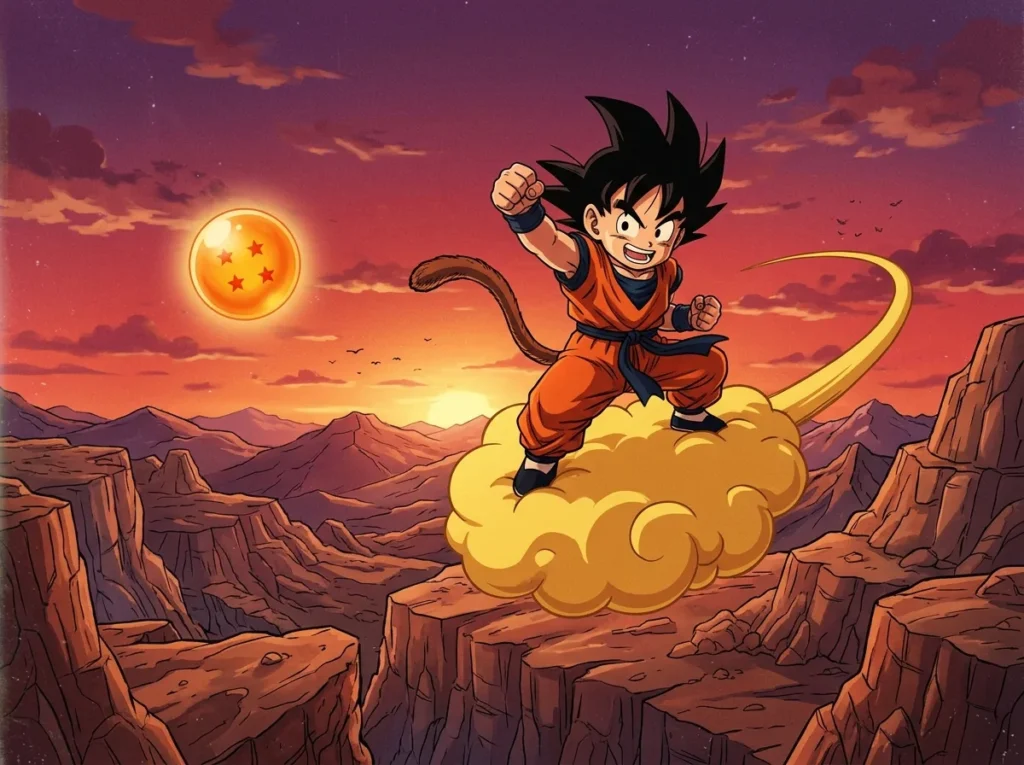
Dragon Ball manga one-shots are complete short stories by Akira Toriyama that stand alone outside a regular series run. The earliest, Dragon Boy, appeared in the August 1983 issue of Fresh Jump while Toriyama was drawing Dr. Slump. The Dragon Ball Official Site describes it as one of the works that helped lay the groundwork for the franchise. Neko Majin later ran as a set of one-shots from 1999 to 2005 in Weekly Shonen Jump and Monthly Shonen Jump, packed with gags and references to the main story.
Some of these works are easy to miss. Jaco the Galactic Patrolman is better seen as a connected prequel, and its English paperback runs 248 pages. For a quicker sample, VIZ’s Akira Toriyama’s Manga Theater collects 629 pages across 21 chapters, released on December 7, 2021.
Key Takeaways
- Before picking a Dragon Ball short story, check whether it finishes within its own pages.
- Neko Majin stories are optional bonus reading, since fans do not need them to follow the main Dragon Ball plot.
- The DB- mark on Jaco the Galactic Patrolman signals that the prequel takes place before Dragon Ball begins.
- The Jaco collection already contains the Dragon Ball Minus bonus story, so readers do not need a separate book.
Which Short Stories Count as Dragon Ball One-Shots?
A one-shot is a complete, self-contained manga story that is not part of a regular serialization. It has its own beginning and end, so readers do not need to follow an ongoing run to enjoy it. Akira Toriyama wrote many of these short works, and they vary in how closely they connect to Dragon Ball.
The oldest example is Dragon Boy. It ran in the August 1983 issue of Fresh Jump while Toriyama was busy with Dr. Slump, his comedy series at the time. Fans often describe it as a spiritual predecessor to Dragon Ball. It is best understood as an early experiment, a set of ideas that Toriyama tested before the franchise took its familiar shape.
Toriyama’s Dragon Ball-related short works fall into a few groups. The earliest are experiments like Dragon Boy. Later came gag stories that poke fun at the main series and fill their pages with jokes for longtime readers. Prequels form a third group, showing events that happen before the main story begins.
A simple way to sort any title is to ask two questions. Does the story finish within its own pages? And does it sit before, beside, or inside the main Dragon Ball timeline? Dragon Boy passes the first test easily, and its link to the franchise is historical rather than a direct continuation. That makes it a good starting point for anyone curious about where the franchise began.
How Do the Neko Majin Stories Connect to Dragon Ball?
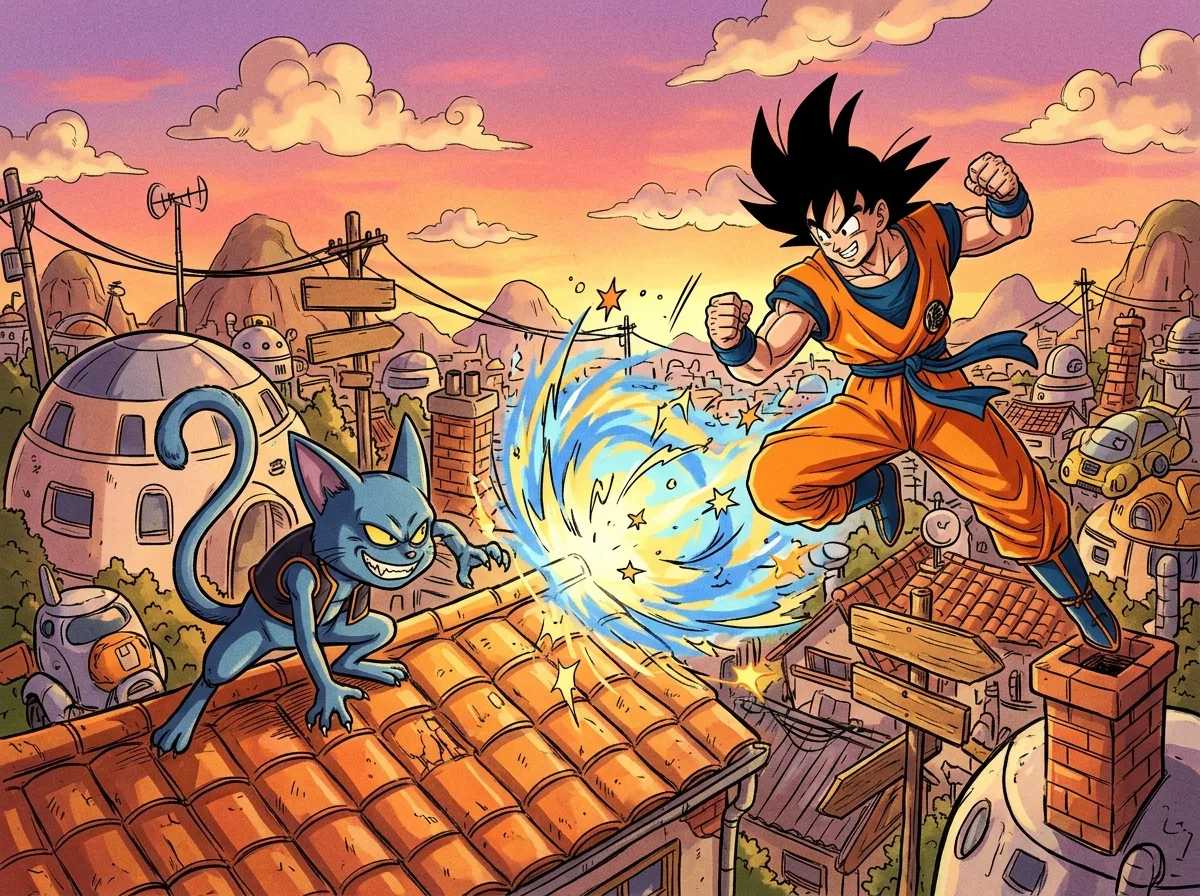
Neko Majin is a set of one-shots that ran in Weekly Shonen Jump and Monthly Shonen Jump from 1999 to 2005. Each story is a short, self-contained comedy, so you can read one without following a longer storyline.
The stories lean on gags, parodies, and references to the main series. Characters and situations echo Dragon Ball, and the jokes land best when you remember the original fights and famous moments. A reader who has never seen the anime can still enjoy the humor, but they will miss many of the nods.
Neko Majin Z is a good example. It appeared in the June 2001 issue of Monthly Shonen Jump and is packed with Dragon Ball jokes. It suits readers who already know the main story and enjoy spotting the references.
Because these stories are light and comedic, you do not need them to understand the plot of the main series. Think of them as a bonus for fans rather than required reading. Since the franchise spans Dragon Ball, Dragon Ball Z, Dragon Ball GT, and Dragon Ball Super in both manga and animated form, these short comedies make a fun companion to the larger story.
Is Jaco the Galactic Patrolman a One-Shot or a Prequel?
Jaco the Galactic Patrolman is a connected prequel, not a single one-shot. Akira Toriyama created it for the 45th anniversary of Weekly Shonen Jump, and it is set before the main Dragon Ball story begins. Think of it as a doorway into the franchise’s early world.
The clearest clue is the “DB-” mark. That mark indicates the story takes place before Dragon Ball. It tells you where the story fits on the timeline, so you can read it as groundwork for the wider series rather than a side joke set after events you already know.
Because the story comes first, the Galactic Patrol and its members appear before the main series gets going. Longtime fans can spot the early foundations, while newer readers can follow the adventure without knowing the main plot.
Jaco is also not a typical short story. It is printed as a collected book with numbered episodes, so it reads more like a short series than one standalone chapter. Its place on the timeline is what ties those episodes together.
Which Editions Collect Jaco and Dragon Ball Minus?
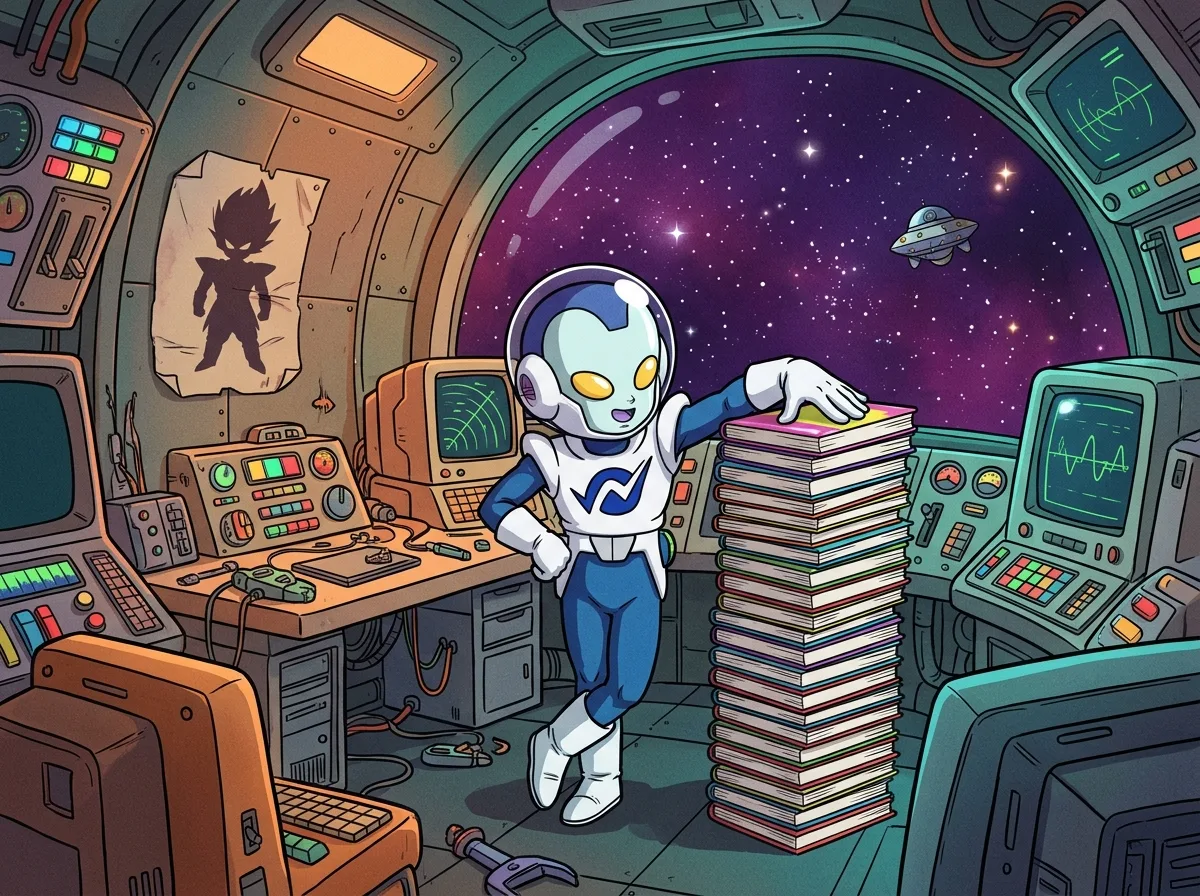
The collected Jaco volume runs 248 pages and includes 10 numbered episodes, an additional episode, and the Dragon Ball Minus bonus story. Shueisha published it as one book, so the prequel and its extra story sit together.
The Japanese print edition came first. Shueisha’s listing shows a release date of April 4, 2014, at 484 yen including tax.
The English version followed later. VIZ released its paperback on January 6, 2015, and it also runs 248 pages, so readers of the English edition get the same page count as the Japanese book. Here is what the collected volume contains:
- 10 numbered episodes of Jaco the Galactic Patrolman
- One additional episode
- The short Dragon Ball Minus bonus story
Dragon Ball Minus is included in this same volume rather than presented as a separate story. When you pick up the Jaco book, the bonus is already inside, so you can read the prequel and the extra story in one sitting.
Where Does Dr. Mashirito & Abale! Fit Among the Gag Spinoffs?
Dr. Mashirito & Abale! is a Dr. Slump spinoff one-shot that appeared in the April 2007 edition of Monthly Shonen Jump. It is a complete story on its own, but its jokes depend on the characters and humor of Toriyama’s earlier comedy series, so it is best read by someone who already knows that world.
The story fits a pattern you can see across Toriyama’s short works. Dragon Boy, from 1983, was an early test of ideas while he was drawing Dr. Slump, and it shows how his comedy and adventure instincts were developing side by side. Neko Majin later took a similar playful approach and filled its pages with gags, parodies, and nods to Dragon Ball. Dr. Mashirito & Abale! sits between these two points as another gag-driven story that returns to the comedy roots of Toriyama’s career.
If you are new to this material, read a few Dr. Slump chapters first. The spinoff’s humor will land much harder once the cast feels familiar, and you will notice how Toriyama reuses his own comic habits in later work.
Is Akira Toriyama’s Manga Theater Worth Reading First?
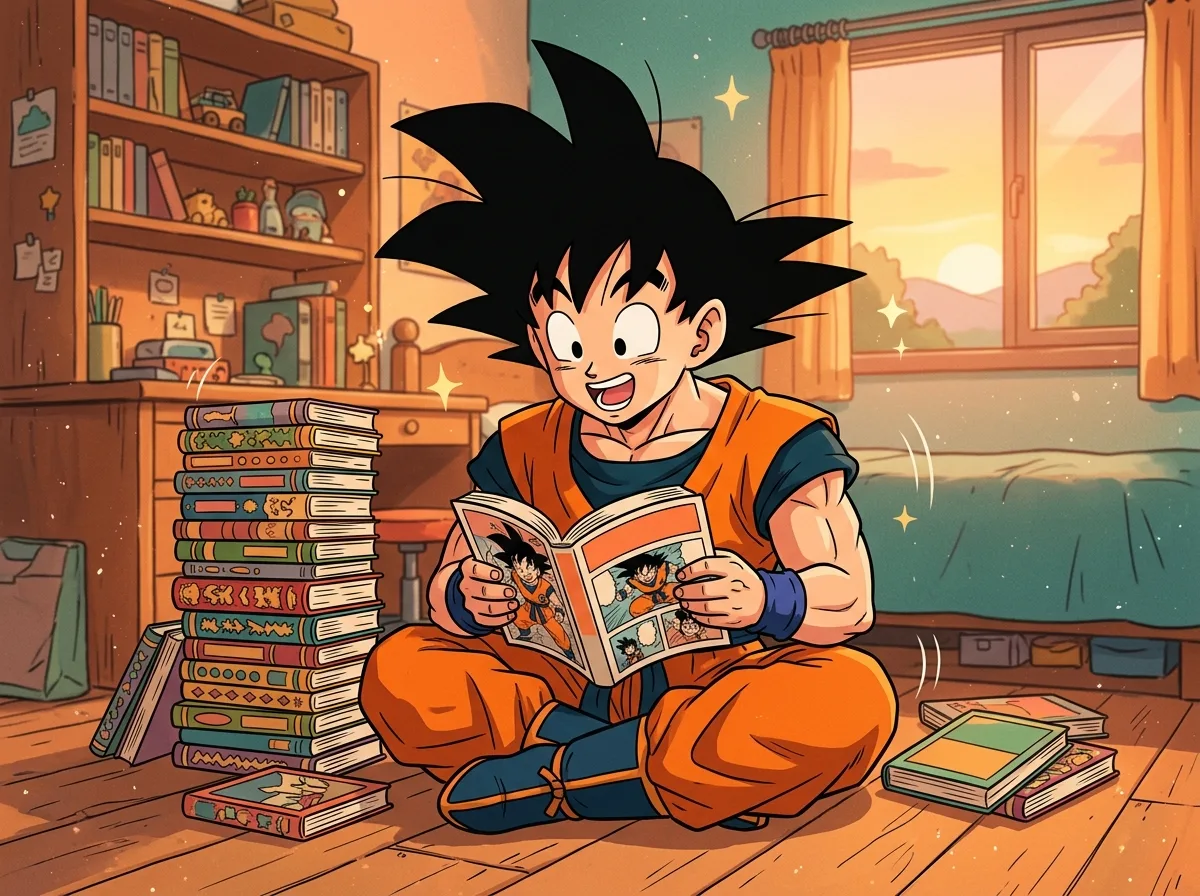
Yes, for most readers it is a good first stop. VIZ’s 2021 anthology, Akira Toriyama’s Manga Theater, is a 629-page collection released on December 7, 2021. Its Shonen Jump listing shows 21 chapters, so you can read a few at a time without committing to a long run.
The main advantage is convenience. Tracking down the original magazines is hard work. Dragon Boy appeared in Fresh Jump in 1983, and Neko Majin stories ran in Weekly Shonen Jump and Monthly Shonen Jump across several years. Finding each issue means knowing exactly where a story was printed. A single anthology gathers Toriyama’s short works in one book, so you can sample his range before deciding which stories to chase.
The trade-off is depth. An anthology shows you many different stories side by side, but it does not give you the magazine setting or the surrounding issue. Readers who want the full context of a single project, such as the Jaco volume with its bonus story, may prefer to read that book on its own.
A practical approach is to start with the anthology to find the styles you enjoy. If a gag-heavy story like Neko Majin Z makes you laugh, you can look for more Neko Majin material next. If a prequel catches your interest, the Jaco collection is the natural follow-up.
How Do Fans Talk About One-Shots, Parodies and Vegeta’s Hair?
Fans talk about one-shots by comparing them with the main story, trading favorite gags, and arguing over small details that the official books never fully settle. Forum threads and social media posts often place a short Neko Majin joke next to a famous battle from the anime and ask which one lands harder. Those side-by-side comparisons keep the short stories in conversation long after their magazine runs ended.
Vegeta’s hair is the best-known example of a small detail that keeps people talking. Fans have joked about its shape and color for years, and the topic shows up in fan art, comment sections, and discussion threads. Artists often exaggerate the spikes for a laugh, and readers reply with their own versions, so the running joke becomes a shared game.
Many newcomers first meet the franchise’s humor through fan parodies. Dragon Ball Z Abridged is the most famous example, and its comedic takes on the story have won over viewers who might never have picked up a manga. Similar parodies turn serious fights into quick jokes. Fans who enjoy that style often find Toriyama’s own gag stories feel familiar, because both share a love of exaggeration.
Nostalgia pulls longtime readers back to the short stories they first saw in magazines. Remembering the paper pages, the issue they came in, and the weeks spent waiting for the next installment gives those memories real weight. For many fans, rereading a one-shot is less about the plot and more about revisiting the moment they first discovered it.
Choosing Your Next Dragon Ball One-Shot
If you want to read in order, start with Dragon Boy from the August 1983 issue of Fresh Jump. Then move to Neko Majin Z from the June 2001 issue of Monthly Shonen Jump, and finish with Jaco the Galactic Patrolman as a bridge into the main Dragon Ball story. Reading this way lets you watch Toriyama’s ideas grow from his 1983 experiment onward.
Collectors should check the contents before buying. The Jaco collection runs 248 pages and holds 10 numbered episodes, one additional episode, and Dragon Ball Minus. If you already own the bonus story somewhere else, compare page counts and contents so you know exactly what you are getting.
Parents who want to share these comedies with children should read a Neko Majin story first. The gags and parodies depend on references to the main series, so you can judge whether the humor and the nods to fights fit your child’s age and interests before you hand over the book.
If you are heading to a fan convention, pick one short story to reread on the way. Neko Majin jokes are a strong conversation starter, since many fans will recognize the references and enjoy comparing favorite gags with you in person.
Frequently Asked Questions
1. Are Dragon Ball one-shots available in digital format?
Yes, VIZ also lists Akira Toriyama’s Manga Theater as a digital edition, so you can read that anthology on a screen instead of in print. Ebook versions of individual one-shots such as Dragon Boy or Neko Majin Z are not covered in this guide, so check a retailer listing before buying one.
2. Is Dragon Ball Minus worth buying if I already own the main volumes?
Dragon Ball Minus is included in the Jaco collection, so that book is where you will find it. Whether it is worth the purchase depends mostly on whether you also want the Jaco prequel. If Jaco already interests you, the bonus story comes along with it at no extra cost.
3. How long does a typical Dragon Ball one-shot take to read?
Most one-shots are short enough to finish in a single sitting, since each one is a complete story that does not depend on a long run. Gag stories like the Neko Majin series tend to be quick reads. Longer collections, such as the Jaco book or the Manga Theater anthology, will take a few sessions to get through.
4. How is a Dr. Slump spinoff different from a regular Dr. Slump chapter?
Regular Dr. Slump chapters belong to Toriyama’s ongoing comedy series, so each one picks up from the story before it. A spinoff one-shot like Dr. Mashirito & Abale! is a complete story that stands on its own, even though it uses the same cast and humor. You can read the spinoff without tracking the full series run.

