Have you ever wondered how people afford to pour their money into risky new startups? It usually comes down to smart government incentives designed to protect their wallets. Angel laws do two major things. They define exactly who is allowed to invest in private companies, and they offer huge tax breaks to make early-stage gambles much safer. Even if a brand new tech company completely fails, these rules ensure investors can still recover a big chunk of their cash through tax credits.
I always point to recent updates in government investment laws as the perfect example of how this works in the real world. By offering aggressive tax benefits for holding onto investments for just three years, they create a massive safety net for anyone funding high-tech startups. Seeing these rules in action helped me realize just how crucial they are for encouraging people to fund the next generation of big ideas.
Key Takeaways
- Government angel laws incentivize high-risk startup funding by providing substantial tax breaks and financial safety nets for early-stage investors.
- In the Dragon Ball multiverse, divine angels must maintain absolute neutrality and face total eradication from existence if they directly interfere in mortal conflicts.
- Angels bypass strict non-interference rules using a three-minute temporal rewind ability, allowing them to indirectly prevent disasters without engaging in combat.
- Restricting the immense power of divine beings through strict laws preserves dramatic tension and forces mortal heroes to take full responsibility for defending the universe.
The Absolute Rule Of Angel Neutrality
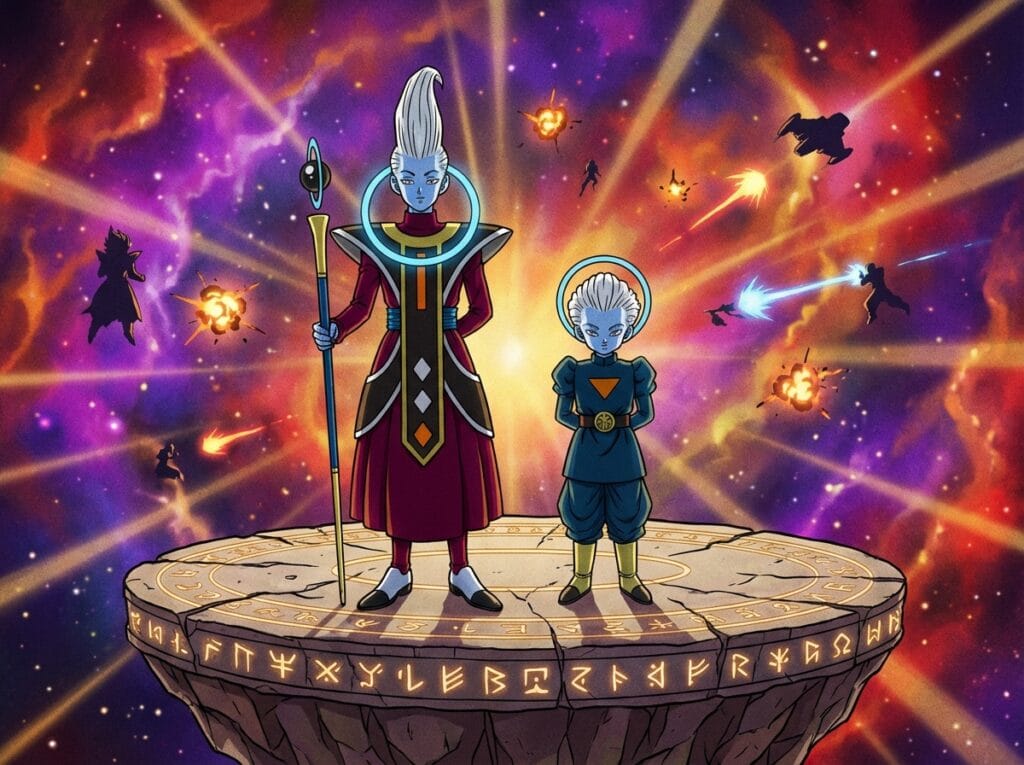
I always find it fascinating how the most powerful beings in the multiverse are bound by the strictest rules. When we look at the divine laws governing angels, the biggest rule they must follow is absolute neutrality. This means guides like Whis and Vados are completely forbidden from taking sides in any mortal conflicts. They cannot fight villains, save planets, or alter the natural course of the universe even if they want to help. We actually see this strict mandate explained early on when Vegeta first discovers how these divine attendants operate in Dragon Ball Super episode 18, Im Here, Too! Training Begins on Beerus World.
You might wonder why someone with the power to reverse time or knock out a God of Destruction simply stands by during a crisis. The truth is that breaking this law of neutrality carries the ultimate punishment. If an angel ever fights directly in a mortal battle, the Grand Priest will instantly eradicate them from existence without leaving a single trace behind. Because of this terrifying consequence, they must act strictly as neutral attendants and teachers to the Gods of Destruction. I think this creates a really interesting dynamic where they can train our heroes but must step back when the real danger arrives.
This absolute neutrality even applies when their assigned universe faces total annihilation. During the Tournament of Power, I was shocked to see the angels smiling calmly while their own universes were erased from existence. They are not tied to the mortal realm, so the survival or destruction of billions of lives does not change their divine standing. Their only real duty is to guide the current God of Destruction until that deity passes away or is replaced. It really shows just how separated these celestial beings are from the struggles of the mortals they watch over.
The Fatal Consequence Of Eradication

The ultimate punishment for taking sides in a mortal conflict is absolute eradication. This terrifying consequence means the angel does not just die, but they are completely wiped from existence without a trace left behind. I want to show you exactly how serious this rule is by looking at the tragic fate of Merus during his time with the Galactic Patrol. Merus grew to love the mortal universe and simply could not stand by while the villain Moro threatened to destroy everything. Knowing the severe penalty waiting for him, he made the ultimate sacrifice to step in and fight Moro directly in Dragon Ball Super manga chapter 63, Meruss Resolve.
As Merus unleashed his angelic power to seal away Moro’s copying abilities, the absolute law of the universe immediately began to take effect. I felt a real sense of sadness as his body slowly started to turn transparent with every divine attack he landed. He knew exactly what he was doing and willingly accepted his own disappearance to give Goku a fighting chance to save the galaxy. The Grand Priest enforces this strict neutrality rule to keep the cosmic balance perfect, ensuring no angel can ever act on their own personal feelings. By the time Merus finished shattering Moro’s crystals, he smiled at Goku and faded away into nothingness in Dragon Ball Super manga chapter 63, Meruss Resolve.
Loopholes And The Temporal Do-Over
I find it fascinating how the strict angel laws prevent powerful beings like Whis from directly fighting in mortal battles. These divine guides must stay completely neutral, or they risk being erased from existence entirely. However, I noticed that these clever beings found a brilliant loophole to help their friends without breaking the rules. They possess a unique temporal do-over ability that allows them to rewind time for exactly three minutes. This quick reset lets them undo catastrophic mistakes while keeping their hands perfectly clean of any direct combat.
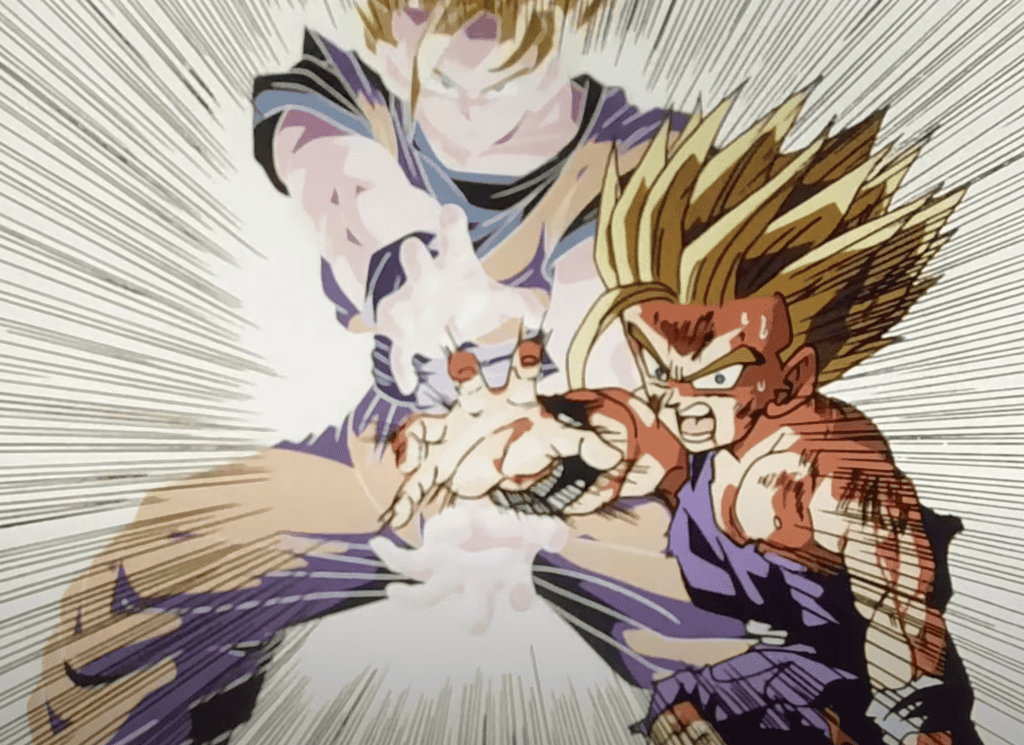
We get to see this incredible loophole in action during one of the most stressful moments in the series. When Golden Frieza realizes he is losing his battle, he acts out of pure spite and destroys the entire planet. Instead of stepping in to fight the villain directly, Whis simply taps his staff and reverses time just enough to give Goku a second chance. Goku uses this brief window to launch a massive attack and save everyone before the destruction even happens in Dragon Ball Super episode 27, The Earth Explodes? A Decisive Kamehameha! By doing this, Whis completely fixes the disaster while technically following the angel laws to the letter.
Why Angel Laws Keep the Story Balanced
These strict angel laws are absolutely brilliant for keeping the story balanced. If Whis or the Grand Priest could just step in and fight whenever a villain showed up, I think there would be zero tension in the series. By forcing these cosmic beings to remain strictly neutral, the creators solved a massive power scaling problem. We get to see these incredibly powerful divine characters exist in the universe without them ruining the stakes of every major battle. The rules ensure that their immense strength serves as a teaching tool rather than an easy way out of trouble.
These divine restrictions leave the fate of the universe resting squarely on mortal shoulders. I love how this forces Goku, Vegeta, and the rest of our favorite fighters to constantly push beyond their own limits. They cannot rely on their angelic mentors to save the day when a new cosmic threat appears. Instead, the mortals must take full responsibility for protecting their homes and loved ones. This brilliant setup guarantees that the core spirit of the series remains completely intact, no matter how godly the surrounding characters become.
Frequently Asked Questions
1. What exactly are angel laws?
Angel laws are special government rules that define who can invest in private startups and offer huge tax breaks to those investors. I love how these rules make risky early-stage gambles much safer for people putting their own money on the line. Even if a brand new tech company fails completely, investors can still recover a big chunk of their cash through tax credits.
2. How do angel laws protect investors if a startup fails?
These legal frameworks create a massive safety net by offering aggressive tax benefits to investors. If I put money into a new company and it goes under, the government provides tax credits to help me recover a large portion of my lost cash. This setup is incredibly crucial for encouraging people to fund the next generation of big ideas.
3. Can you give an example of a real world angel law?
I always point to recent updates in international investment laws as a perfect example of how these incentives work. These specific updates offer amazing tax benefits for just holding onto high-tech startup investments for three years. It completely changed how I view government support for new businesses.
4. What is the absolute rule of angel neutrality?
The biggest rule divine angels must follow is absolute neutrality, meaning they are completely forbidden from taking sides in any mortal conflicts. I find it fascinating that powerful guides like Whis and Vados cannot fight villains or alter the universe even if they want to help. We actually see this strict mandate explained early on when Vegeta discovers how these attendants operate in Dragon Ball Super episode 18, Im Here, Too! Training Begins on Beerus World.
5. Why don’t angels step in to stop powerful villains?
Angels are bound by strict divine laws that prevent them from interfering with the natural course of the universe. Even though I know they have the power to reverse time or knock out a God of Destruction, they must simply stand by during a crisis. Breaking this law of neutrality carries the ultimate punishment from the Grand Priest.
6. What happens if an angel breaks the law of neutrality?
Breaking the law of neutrality carries the absolute highest punishment an angel can face in the multiverse. If an angel ever fights directly in a mortal battle, the Grand Priest will instantly erase them from existence. It really shows me just how serious the gods take these divine rules.