
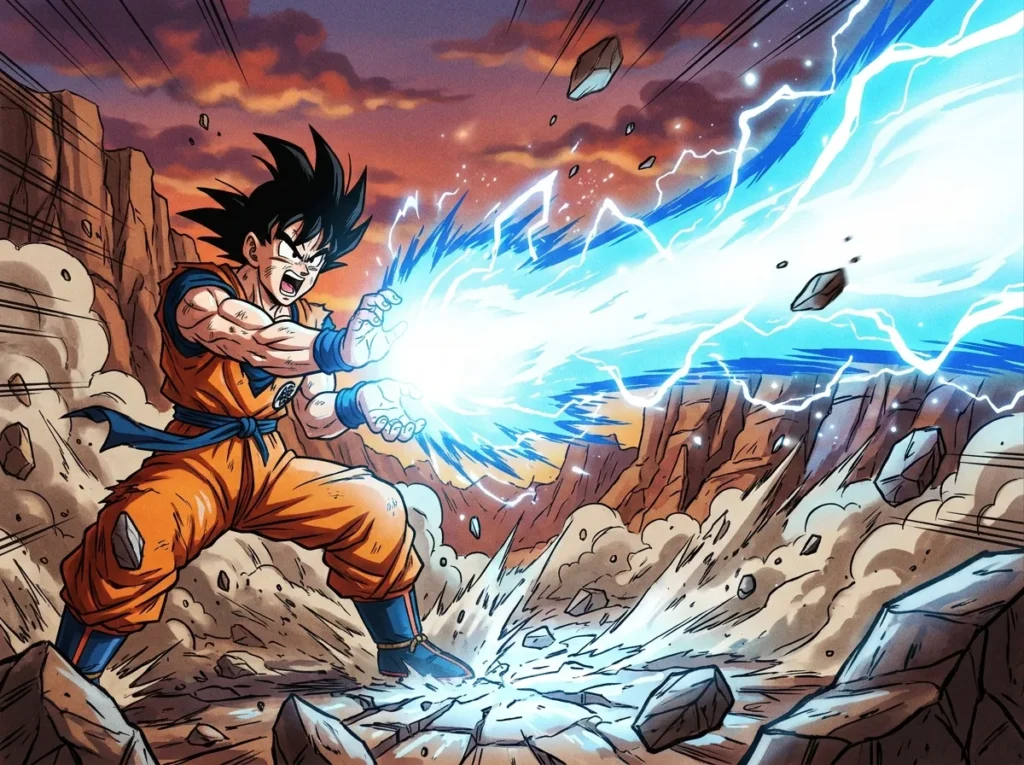
Dragon Ball’s influence is easiest to see in how later action series borrowed its long training arcs, rising stakes, and rivalries that stretch across hundreds of episodes. The original Dragon Ball anime premiered in 1986 with 153 episodes, and Dragon Ball Z followed in 1989 with 291 more.
The franchise’s reach is just as clear off the screen. The manga ran for 10 and a half years in Weekly Shonen Jump and had sold 260 million copies worldwide, according to Toei Animation when that figure was announced. Masashi Kishimoto, creator of Naruto, has said Dragon Ball shaped his own storytelling, which helps explain why so many shonen heroes follow a similar path of steady, long-term growth.
Key Takeaways
- Dragon Ball refined the shonen formula by raising the stakes with each saga, and many later action series, such as Naruto, followed that model.
- Dragon Ball turned training into a plot event, as seen in the Hyperbolic Time Chamber, and later anime often copied that pattern of a hero growing stronger over a long stretch.
- The Dragon Ball manga ran for 10 and a half years in Weekly Shonen Jump and sold 260 million copies worldwide.
- Dragon Ball combined sports manga, kung-fu films, action movies, and Chinese folklore like Journey to the West into a story where training sits at the center of the plot.
- Viewers can spot Dragon Ball’s influence in other shonen shows by looking for a hero who gets stronger through visible training, a rival who seems too strong to beat, and power jumps that follow a clear struggle.
Did Dragon Ball Change the Shonen Formula?
Yes, but not on its own. Dragon Ball did not invent shonen, but it refined the approach into a model that many later creators followed. Akira Toriyama’s manga began in Weekly Shonen Jump in 1984 and ran for 10 and a half years, which gave that approach plenty of room to grow.
Earlier shonen stories often built toward a single tournament or a clear finish line, and the hero’s power tended to jump in bursts. Dragon Ball kept the story moving by raising the stakes with each saga. Goku trains, faces a stronger opponent, and then the next threat is always bigger than the last.
A 2018 research article describes the series as mixing sports-manga conventions with kung-fu and action-film references. That study argues that the result is a coming-of-age story built around bodily discipline, where effort is visible on the page.
The growth also spread across media. The original anime ran for 153 episodes, Dragon Ball Z added 291, and Dragon Ball Super followed with 131 episodes beginning in 2015. Viewers could watch one hero change over years rather than over a single arc.
That long-form pattern became a template. Later series often follow a familiar sequence: a modest start, a grueling training stretch, a rival who looks unbeatable, and then a new problem that pushes the hero further. Readers and viewers came to expect that slow climb, and creators learned that it could carry a story for hundreds of chapters.
What Did Dragon Ball Borrow From Other Genres?
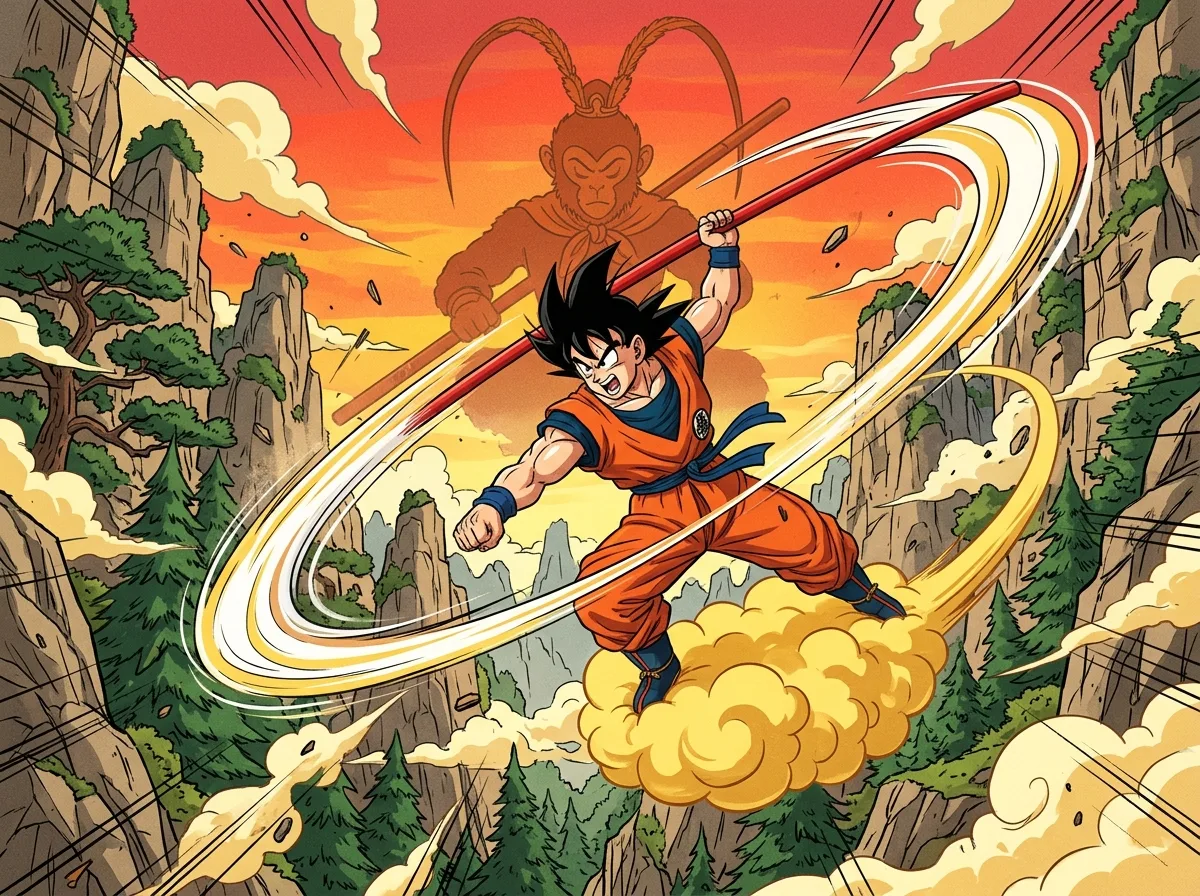
Dragon Ball mixed sports manga, kung-fu films, and action movies into one story about a boy who grows up through hard work. None of these ingredients was new. Sports manga had long shown athletes pushing their limits, and Hong Kong martial arts films had made fighting styles and mentor figures familiar to audiences in Japan.
Chinese folklore also left a clear mark. The classic tale Journey to the West features Sun Wukong, a fearless monkey fighter who must learn discipline before he can grow strong. Goku carries much of that restless, playful energy, but Toriyama placed it in a modern world full of cities, cars, and tournaments.
What made the series stand out was how it combined these sources. Training was not a short montage before a big fight. It became the center of the story, with the hero’s body and skills visibly improving over many episodes. Kishimoto has said that he wanted to become like Toriyama after reading the manga as a young fan, which shows how strongly this blend appealed to readers who later became creators themselves.
For a newcomer, the early episodes show the mix best. The World Martial Arts Tournament brings out the sports-style competition, while the training under Master Roshi and the journey across the land bring in the older adventure and martial arts traditions. Watching how the two sides fit together helps explain why the series felt fresh even though its pieces were familiar.
How Training Arcs Shaped Later Action Anime
Training arcs are one of the clearest ways Dragon Ball shaped later action anime. Instead of rushing from one fight to the next, the story stops, and the hero gets stronger on screen. That pause lets viewers see the effort, feel the weight of the challenge, and understand why the next battle matters.
The pattern is easy to spot once you know it. First, the hero works hard, often through painful or unusual methods. Next, a clear new power level appears, such as a new transformation or a sharper technique. Then a rival arrives who is strong enough to force the hero to use that power, and the fight becomes personal.
Goku’s training pushes the plot forward in exactly this way. The series often moves the action to special places where time passes differently, so fighters can spend a long stretch practicing while only a short time passes outside. The Hyperbolic Time Chamber is the best-known example, and it turns training into a plot event rather than a break from the story [Dragon Ball Z episode 225, “The Hyperbolic Time Chamber”].
Many later shows picked up this rhythm. A typical series might begin with a weak hero, add a harsh training period, introduce a rival who seems untouchable, and then raise the stakes again. Viewers learned to expect that slow climb, and it became a useful tool for keeping long stories moving.
Training arcs also give minor characters room to matter. Mentors, friends, and rivals often push the hero in different directions, which keeps the training from feeling like a single montage. Each stage gives the audience a reason to care about the next confrontation.
Which Anime Were Inspired by Dragon Ball?
Naruto is the clearest example of a later action series shaped by Dragon Ball, and the strongest evidence comes from its creator. In a 2012 interview with VIZ Media, Masashi Kishimoto said that between second and fourth grade he became a fan of Akira Toriyama’s Dragon Ball manga and wanted to become like Toriyama.
That fandom shaped his later work. In a translated interview published in 2015, Kishimoto said Dragon Ball considerably influenced his story-building. He pointed to the excitement of shonen-magazine storytelling, where each new chapter has to pull readers back week after week.
He also said he was interested in Goku growing up and becoming a parent. Goku starts the series as a small boy, and the story follows him into adulthood, so his goals and responsibilities keep changing. Naruto takes a similar path. Its hero begins as a loud, mischievous kid and grows into a ninja who carries real responsibility for his village and the people he cares about.
Kishimoto’s comments are one creator’s account of his own inspirations. Many shonen creators drew from several sources at once, and Dragon Ball was one important part of that mix.
The overlap is easy to spot once you know what to look for. Naruto spends long stretches training with Jiraiya, and each new skill arrives after a clear struggle. Rivals push the hero to grow, and some of those rivals later become allies. These patterns follow the same logic Dragon Ball used to keep its long story moving.
How Far Did Dragon Ball’s Reach Travel Abroad?
Dragon Ball reached audiences outside Japan through three main routes: a large manga readership, a long anime run, and a page format that became the standard for manga worldwide. The figure of 260 million copies sold worldwide shows how far the printed stories traveled.
The anime gave fans a huge library to watch. The original series ran for 153 episodes, and Dragon Ball Z added 291 more, so new viewers could start with the early adventures and keep watching for years.
The page format is one of the less obvious parts of the story. A Japanese government feature on Toriyama’s legacy reports that manga scholar Yu Ito linked his request to keep translated editions right-bound, meaning the pages open in the original right-to-left order, to that format becoming the global manga standard.
Influence also took root in specific communities. A survey of Basque viewers documents a localized cultural effect in the Basque Country, showing that the series did not only succeed as a national or global hit. It also became part of everyday life for particular groups of fans.
Reading the series alongside its translations and local broadcasts makes these regional differences easier to spot. Each market brought its own fans, habits, and favorite characters, which is why the same story can feel familiar in one country and new in another.
Dragon Ball’s Legacy in Recent Series
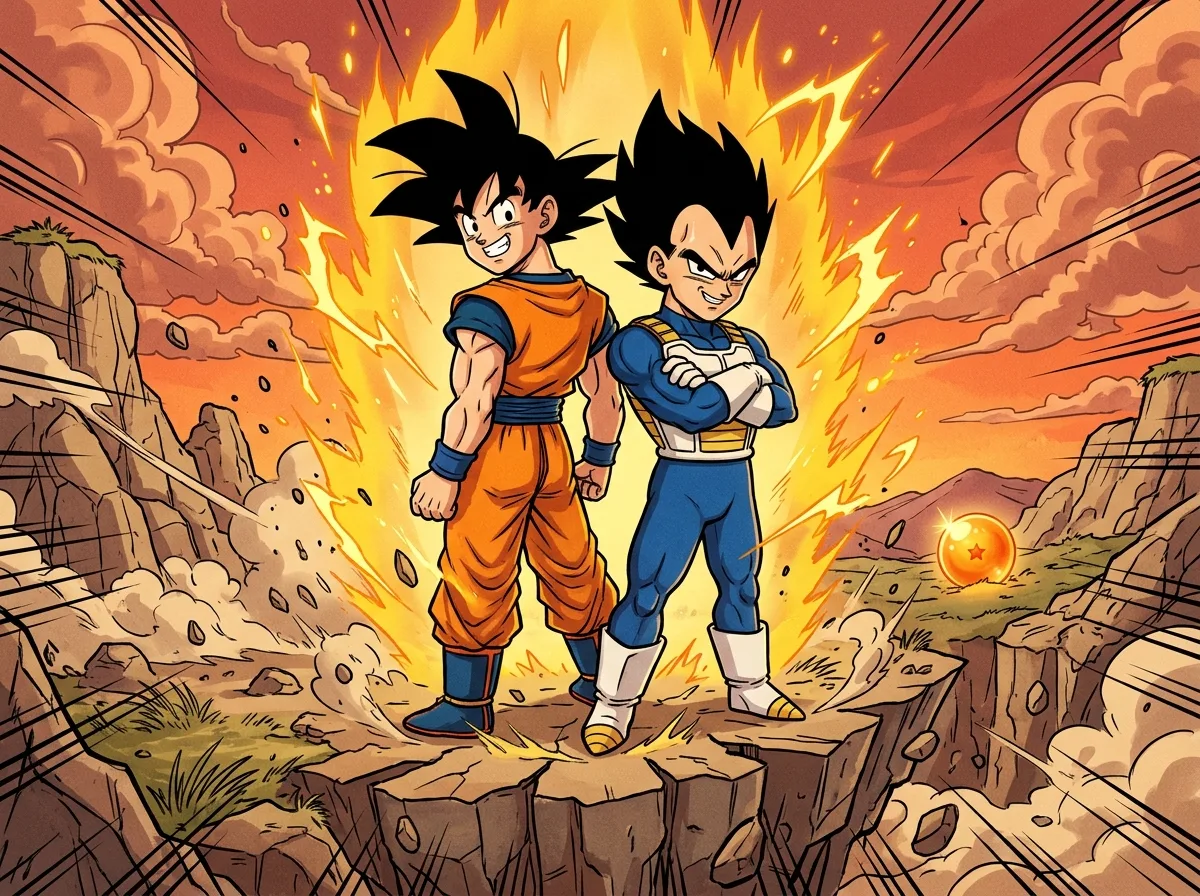
Dragon Ball’s influence did not stop when the first shows ended. The franchise kept returning to television, and each new run gave another generation a chance to see the same training and rivalry patterns. Toei Animation’s fiscal-year 2025 results presentation says all 20 episodes of Dragon Ball Daima aired from October 2024 to February 2025, and the story was built around the same power jumps and personal fights that defined the earlier shows.
Dragon Ball Super carried that pattern into a newer era. The 131-episode series began in 2015 and leaned heavily on tournaments, new threats, and fighters who test themselves against stronger opponents. The official Dragon Ball site reported that Dragon Ball Super: Beerus began broadcasting on Fuji TV in Japan on October 11, 2026, adding another chapter to that cycle.
Revivals matter because they put the training-and-rivalry formula in front of people who may never have watched the original. A new viewer can start with a recent episode, see a hero push through a hard stretch, and then notice a rival who seems impossible to beat. That single pattern makes the older stories easier to understand.
Watching a newer episode and then looking back at earlier arcs shows how the formula changed. The hero’s goals stay clear, but the stakes grow with each saga. Once you recognize that rhythm, it becomes easier to spot in other action series, from sports-style tournaments to long rivalries that run for many episodes.
Where to Start With Dragon Ball’s Legacy
Start with the original Dragon Ball series, which runs 153 episodes, and then move on to Dragon Ball Z. Those two shows display the training and rivalry patterns most clearly. Watch how Goku’s power grows from one saga to the next, and notice how each new enemy pushes him to train harder.
When you pick up another shonen show, look for a few simple signs:
- A hero who gets stronger through visible, repeated training
- A rival who seems too strong to beat at first
- Power jumps that come after a clear struggle
- Stakes that rise with each new arc
If you spot two or three of these, you are probably seeing Dragon Ball’s influence at work. Watch an episode of Dragon Ball next to a newer action series and see which patterns match. Then compare what you found and decide for yourself how far the legacy reaches.
Where to Go Next With Dragon Ball
If you have already watched the early Dragon Ball episodes, your next step is to read the manga. The pages show the training scenes without music or voice acting, so you can see how much of Goku’s growth is drawn through small panels of effort. Pay attention to the pages just before a big fight, where the story often slows down to show a character’s body and resolve.
After that, try Naruto. Its early chapters, where the hero trains under Jiraiya, follow the same pattern of a hard practice stretch followed by a new technique. Notice how Sasuke pushes Naruto in much the way Vegeta pushes Goku, and how the rivalry keeps raising the stakes.
Viewers who want to keep watching can take comfort in one fact: Dragon Ball Daima is already finished, so you can binge its full run without waiting for new episodes. That makes it a good bridge between the classic sagas and the newer shows.
Finally, grab a notebook. For each series you watch, write down one training arc, one rival, and the moment the power level jumps. Comparing those notes across shows will show you the legacy more clearly than any summary can. Start with the next action anime on your list and see how closely it follows the Dragon Ball pattern.
Frequently Asked Questions
1. Is Dragon Ball the first anime?
No, Dragon Ball was not the first anime. Japanese animation was already well established when the Dragon Ball TV series premiered in 1986. The show matters because it reshaped the shonen action story, not because it was the first of its kind.
2. How many episodes does the Dragon Ball anime have in total?
The three main TV series add up to 575 episodes: the original Dragon Ball with 153, Dragon Ball Z with 291, and Dragon Ball Super with 131. Dragon Ball Daima adds 20 more, bringing the franchise’s TV total to 595 episodes. New viewers can start with the 1986 original and keep going across many years of story.
3. Where does Dragon Ball Daima fit in the franchise timeline?
Dragon Ball Daima is a 20-episode series that aired from October 2024 to February 2025. It arrived long after the original 1986 launch and Dragon Ball Super’s 2015 start, so it sits among the franchise’s newest TV entries. Its complete run makes it easy to watch in one stretch.
4. Why is Dragon Ball considered one of the best anime?
Many fans point to its long run, its 260 million copies sold worldwide, and its influence on later creators such as Masashi Kishimoto. Its mix of sports-manga training and kung-fu action gave shonen stories a clear model for long-term growth. Whether it ranks first is a matter of taste, but its reach is hard to match.

