
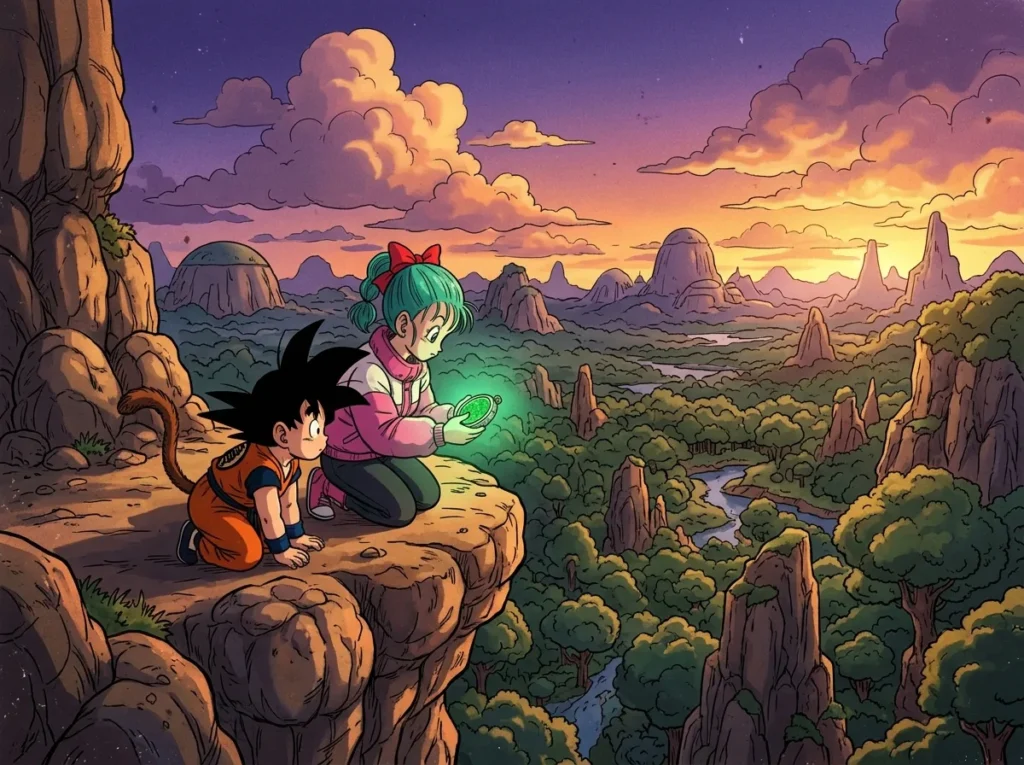
There was no standalone Japanese Dragon Ball anime pilot. The original Toei series premiered on television with its first episode, “Bulma and Son Goku,” on February 26, 1986. The word “pilot” does appear in Dragon Ball history, but it refers to two other things: five English-dubbed episodes made for US audiences in the late 1980s, and test footage that began in June 2014 for Dragon Ball Super: Super Hero.
Across its run, the Toei series counted 153 episodes between February 1986 and April 1989. So the pilot question really asks what came before or alongside the main show. Fans who see the word pilot online often mix these projects up, so we separate them one by one below.
Key Takeaways
- Start with the first episode, “Bulma and Son Goku,” to see where the original Dragon Ball anime begins. [Dragon Ball episode 1, “Bulma and Son Goku”]
- Expect different character names in the Harmony Gold dub, since it renamed Goku to Zero for American viewers.
- Dragon Ball Super’s pilot films tested 3D animation for a later project, leaving the 1986 TV series untouched.
- Akira Toriyama’s manga began in 1984, giving readers about two years before the anime arrived in 1986.
Did Dragon Ball Ever Have an Official Anime Pilot?
No, Dragon Ball never had a separate Japanese pilot for its original anime. Toei Animation’s television series started with its first broadcast episode, so Japanese viewers never saw a test episode beforehand. [Dragon Ball episode 1, “Bulma and Son Goku”] When people talk about a Dragon Ball pilot, they usually mean one of two separate projects, and neither one is a Japanese premiere.
The first is the English version made for American viewers. A University of North Texas thesis from 2021 describes Harmony Gold dubbing the first five episodes in the late 1980s and calling them US pilot episodes. This was a localization, meaning the show was adapted for a new country and language. It was not a new launch in Japan.
The second project came much later. Toei began work on pilot footage for Dragon Ball Super: Super Hero in June 2014, and Shueisha Online reports that Toei made four pilot films before approval came around 2016. That footage tested a 3D style for a different project, so it has nothing to do with the 1986 television series.
It also helps to keep the theatrical films in mind. Toei’s first Dragon Ball movie, Dragon Ball: The Legend of Shenlong, was released in 1986 as its own film. It was never labeled a pilot, and it sat apart from the television run.
When Did the Original Dragon Ball Anime Premiere?
The original Toei series premiered on Japanese television in February 1986. Its first episode, “Bulma and Son Goku,” aired on Fuji TV on February 26, 1986. [Dragon Ball episode 1, “Bulma and Son Goku”] Toei’s own listing starts the run on February 24, 1986, and the show ran until April 19, 1989, for a total of 153 episodes.
The manga and the anime did not start at the same time. Akira Toriyama’s manga began serialization in 1984. The television anime followed in 1986, so readers had about two years with the manga before the cartoon arrived.
Here is the basic order:
– 1984: The Dragon Ball manga begins serialization. – February 1986: The Toei TV anime starts airing. – April 1989: The original 153-episode run ends.
The 1986 theatrical film, Dragon Ball: The Legend of Shenlong, also came out that year. It was a separate release from the television series, so the TV show’s first episode is the best starting point if you want to know where the original anime begins.
What Was the First Dragon Ball Anime Episode?
The first episode of the original Japanese anime was “Bulma and Son Goku.” It aired on Fuji TV on February 26, 1986, two days after the series’ official start date of February 24. [Dragon Ball episode 1, “Bulma and Son Goku”] This is the true beginning of the anime, because it was the first version of the show that Japanese viewers ever saw on television.
The episode introduces Bulma, a bright young inventor, and Goku, a boy with a tail who is searching for the seven Dragon Balls. Their meeting starts the quest that drives the rest of the series.
The 1986 theatrical film is a different matter. Dragon Ball: The Legend of Shenlong is a separate release, and it is easy to mix up with the TV premiere because both arrived in the same year. Toei lists it apart from the television run, so it belongs to the movie line and not to the episode count. If you want to see where the anime itself begins, the television premiere is the place to start, not the film.
What Were the Harmony Gold Pilot Episodes?
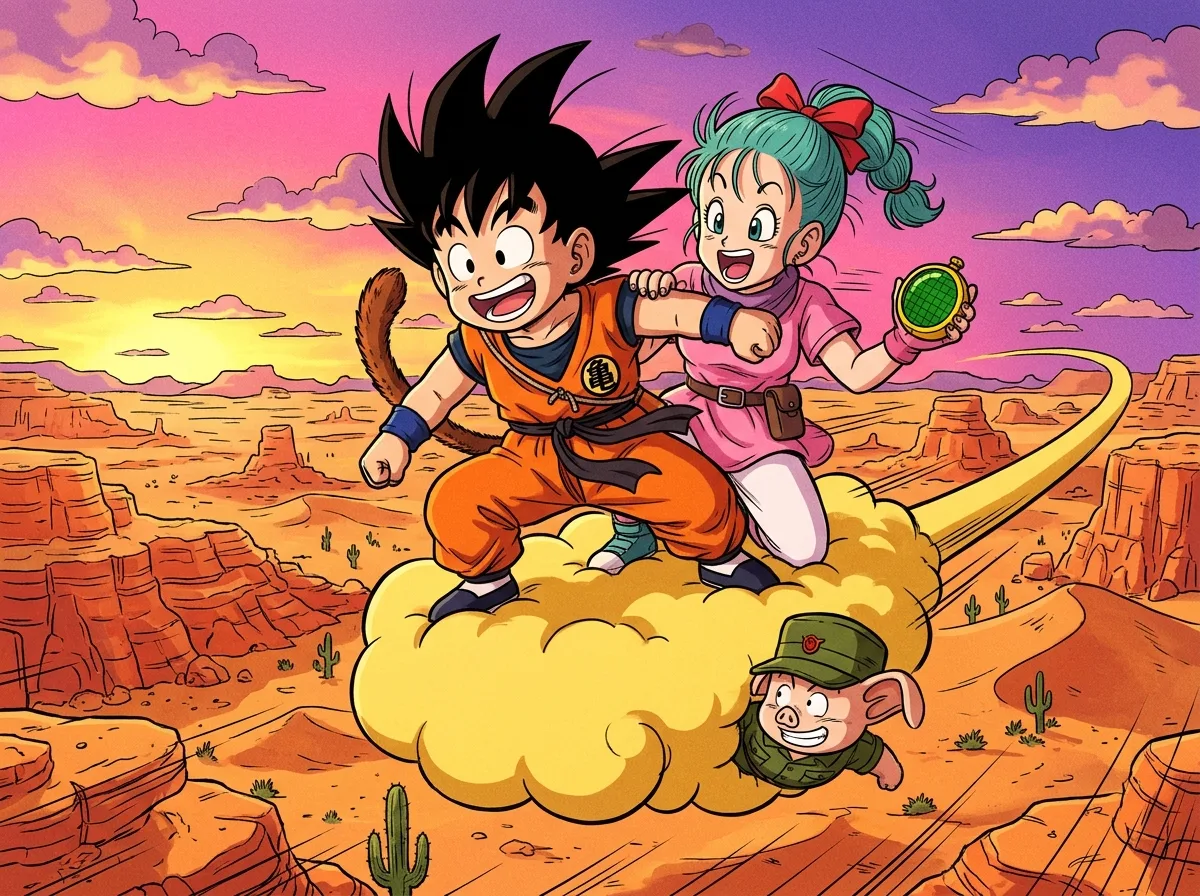
Harmony Gold’s pilot episodes were the first five Dragon Ball episodes, dubbed into English for American audiences in the late 1980s and treated as US pilots. This was a localization, meaning the story stayed largely the same while the language, names, and presentation changed for a new market. It was never a separate Japanese premiere.
The most noticeable changes were the names. Harmony Gold renamed Goku “Zero” and Krillin “Bongo,” along with other character changes. Fans who later watched the Japanese version would have found the English cast unfamiliar, since the dub did not keep the original names.
Harmony Gold also worked with movie footage. It edited the first and third Dragon Ball films together into a single 80-minute special as part of the same US push. Because the special was built from existing films rather than new episodes, it shows how the company tried to reach American viewers with the material it had on hand.
The effort did not last. Harmony Gold’s Dragon Ball production was canceled in 1990 after failing to find an audience. For decades, the dub was largely out of view, which made its return all the more surprising. In March 2020, all five known dubbed episodes resurfaced online from a VHS tape that had been received in 1991 and stored for nearly 30 years, as ComicBook.com reported. That discovery gave fans a rare look at an English version of the show that most had never seen.
What Happened to the Harmony Gold Dub?
The company had dubbed the first five episodes for American viewers, but the English version never grew into a full series in the United States.
The project then went quiet. A VHS tape holding the dub was received in 1991, the year after the cancellation, and it stayed in storage for nearly 30 years. For most of that time, the English episodes were hard to find, and many fans did not know they existed.
That changed in March 2020, when all five known Harmony Gold episodes appeared online from that single tape. For fans, it was a rare chance to see the American take on the show, with its changed names and adapted script, side by side with the original Japanese broadcast.
The difference is easy to keep straight. The Harmony Gold episodes are an English adaptation of the 1986 Toei series, made for a new country. The Toei series is the original show, and the five dubbed episodes are a footnote in its history rather than a separate starting point.
What Is the Super Hero Pilot in Dragon Ball Super?
The Super Hero pilot is a set of test films made for a later project, not for the 1986 television series. Toei Animation began work on the pilot footage in June 2014. The footage was meant to test a 3D animation approach, a different style from the 2D look of the original show.
Toei made four pilot films in total while it worked out how the approach would look and move on screen. Approval for the full project came around 2016, and the work moved forward as Dragon Ball Super: Super Hero.
Because the pilots were built for that film, they belong to a different chapter of franchise history. Viewers of the original broadcast never saw them, and they played no part in the 153-episode run that began in 1986.
If you spot the word “pilot” next to Dragon Ball Super, the reference is almost always to this 3D test work. If it appears next to the original series, the reference usually points to the English Harmony Gold episodes instead.
How Do These Pilots Connect to the Main Series?
Neither pilot sits at the start of the main story. The Harmony Gold episodes were an English attempt at the original 1986 Toei series, and they were never the origin of Dragon Ball Z. Dragon Ball Z continues the story of the Japanese show, so it follows the original broadcast, not the American dub.
The Super: Super Hero pilots are a different case. They tested the 3D style later used in Dragon Ball Super, so their effect is on how the franchise looks, not on the plot of the original series.
Keeping three projects apart makes the timeline easier to follow. Start with the Japanese first episode, then the US dub, then the later pilot films. Each one answers a different question: where the show began, how it was adapted for American viewers, and how the animation style changed years later.
Where to Start Watching the Original Series
If you want to start watching the original series, skip the pilot hunt and go straight to the first broadcast episode. Begin with “Bulma and Son Goku” and watch in the order the show aired, since the story builds from one stretch of adventures into the next. [Dragon Ball episode 1, “Bulma and Son Goku”]
Stick with the Japanese version if you can. If you only find the English dub, remember that it changes names and adapts the script, so it can feel like a different show at first.
The story is divided into arcs, so you can see where each stretch of episodes begins and ends before you press play. The first arc, the Pilaf Saga, is a natural place to pause and decide whether you want to keep going.
Parents planning a viewing schedule can use those arc breaks to choose a stopping point that fits a school week. Longtime fans returning after years away can rewatch the first arc to refresh their memories before moving on to the later episodes.
Frequently Asked Questions
1. Do the five Harmony Gold episodes add to the 153 episodes of the original series?
No, the five Harmony Gold episodes do not add to the 153-episode count. They are English dubs of the first five Toei episodes, so their storylines are already part of the original total. Counting them again would double up the show’s opening chapters.
2. Why did Harmony Gold change character names like Goku and Krillin?
Harmony Gold renamed characters such as Goku to Zero and Krillin to Bongo as part of adapting the show for American viewers. Changing names was a common step when Japanese cartoons were localized for US audiences in that era. Because of this, fans who knew the Japanese cast often found the English version hard to recognize at first.

