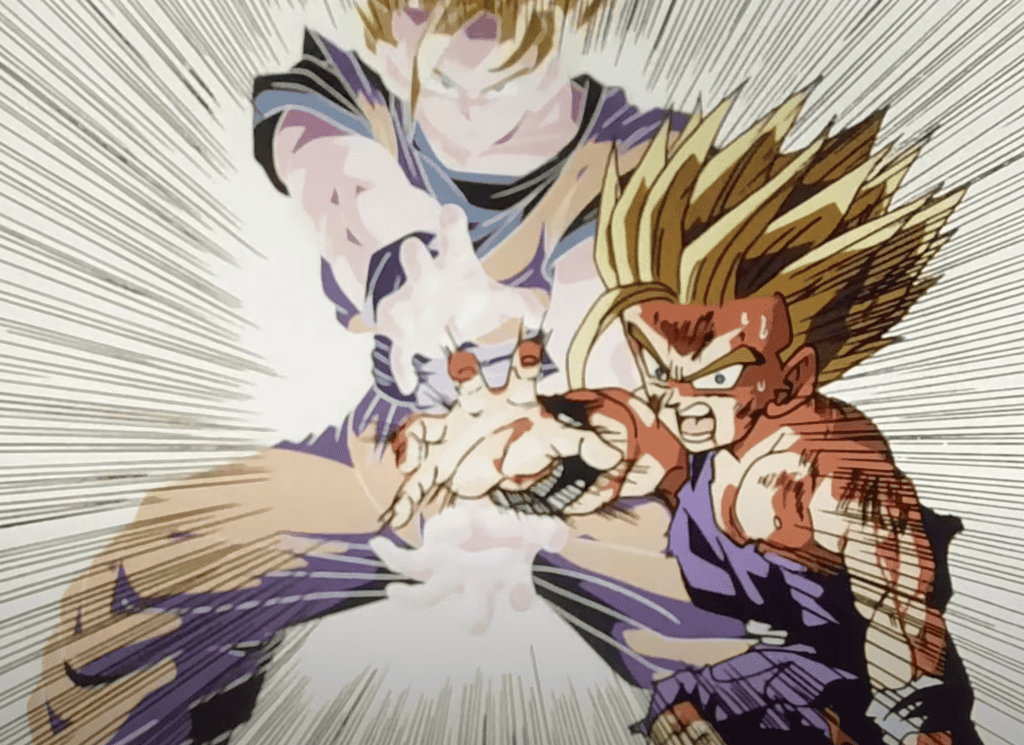
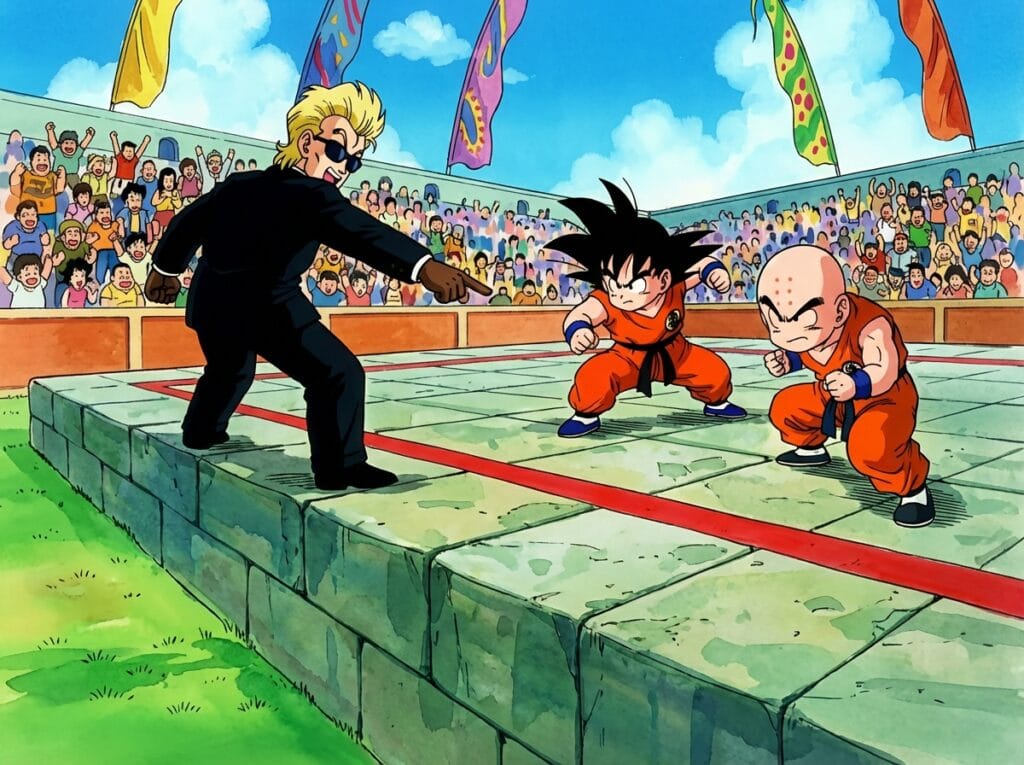
I always get excited when a fresh competitive season rolls around, but keeping up with the latest updates takes a lot of work. Whether you want to compete globally or just love watching the pros battle, understanding the new world tournament rules is essential. We are seeing a massive shift toward stricter player safety, better conduct guidelines, and fairer qualification systems across major events. It is amazing to see the effort going into making these matches safer and more balanced for everyone.
The upcoming seasons bring some of the biggest changes I have seen in years, especially regarding standardized equipment and digital reporting. While that might sound dry, these updates mean we get to watch cleaner, highly competitive matches where true skill shines. Knowing exactly what is allowed on the big stage helps you appreciate the players’ incredible talent even more.
Key Takeaways
- Recent updates to competitive tournaments introduce stricter safety protocols, standardized equipment, and digital reporting to ensure fair, skill-based matches.
- The strict ring-out rule dictates an instant loss if a fighter touches the ground outside the arena, making aerial maneuvers and spatial awareness crucial for survival.
- Competitors must rely entirely on pure martial arts skill and natural abilities, as weapons, armor, and lethal force result in immediate disqualification.
- Escaping a ten-count knockout requires a downed fighter to physically stand on their own two feet and verbally declare their readiness to continue before the countdown ends.
Ring-Outs And Arena Boundaries
I love looking back at the classic rules of the World Martial Arts Tournament to see how simple things used to be. One of the most famous ways to lose a match is the classic ring-out rule. If any part of a fighter touches the ground outside the official tournament ring, they instantly lose the match. It does not matter how strong you are or if you still have plenty of energy left to fight. We see this exact rule play out perfectly when a simple step out of bounds ends the entire championship match Dragon Ball episode 26, The Grand Finals.
As the series goes on, competitors find clever ways to bend this boundary rule to their advantage. Since touching the actual grass or floor is what triggers the disqualification, staying airborne becomes a massive strategic advantage. It is amazing to watch fighters use ki blasts to push themselves back into the ring before their feet hit the dirt. Some characters even learn to hover or fly just to avoid getting a ring-out. This mid-air maneuvering turns a simple pushing match into a thrilling battle of survival above the arena grass Dragon Ball episode 98, The 22nd Martial Arts Tournament.
Banned Weapons And Lethal Force

When I watch the World Martial Arts Tournament, I love how it forces fighters to rely completely on their physical strength and natural ki. The rules make it clear that competitors cannot bring outside advantages into the ring. This means no swords, no hidden capsules, and definitely no protective armor. If a fighter wants to win, they have to do it with their bare hands and their own martial arts skills. We see this strict enforcement of pure hand-to-hand combat perfectly demonstrated Dragon Ball episode 137, Gokus Rival.
Beyond the strict ban on weapons, one absolute rule really defines the spirit of the Tenkaichi Budokai. The tournament committee explicitly states that taking the life of your opponent will result in an immediate disqualification. It does not matter if the fatal blow was accidental or intentional. The judges simply want to see who the best martial artist is, not the most ruthless killer. This intense pressure to hold back just enough to avoid a tragic accident adds so much tension to the matches Dragon Ball episode 143, The Tien Shinhan Tournament.
The Ten-Count Knockout System
I love watching the beloved World Tournament Announcer grab his microphone to start the classic ten-second countdown whenever a fighter hits the mat. This rule adds so much tension to the matches we grew up watching. You can feel the suspense build as the referee counts down from ten while a favorite character struggles to get back on their feet. We see a perfect early example of this dramatic countdown rule in action during a fierce battle under the night sky Dragon Ball episode 27, Number One Under the Moon. It creates a fantastic sense of nostalgia for fans rewatching the original series to understand how these classic tournament mechanics work.
The rules for surviving this countdown are very strict and require more than just waking up. A competitor cannot simply roll over on the floor to avoid a loss. They must physically stand up on their own two feet and clearly state they are ready to continue before the announcer finishes counting to ten. If a fighter fails to meet both requirements in time, they automatically lose the match and face elimination. This strict enforcement is showcased brilliantly during a later tournament when the pressure is heavy Dragon Ball Z episode 219, Camera Shy.
How Simple Rules Changed the Tournament Battles
Looking back at the Tenkaichi Budokai rules, I love how these simple restrictions completely changed the way our favorite fighters battled. Instead of relying on massive energy blasts or raw physical power, competitors had to outsmart their opponents to stay inside the arena. The strict guidelines regarding ring-outs and weapon bans meant that pure martial arts skill and creative strategies were the only real paths to victory. Whenever someone tried to overpower their way through a match, they usually ended up stepping out of bounds or getting disqualified for excessive force. This dynamic forced characters to think on their feet and made every match thrilling to watch from start to finish.
This perfect balance of strategy and action is why I consider the Tenkaichi Budokai to be one of the greatest tournament arcs in anime history. The clear mechanics for ring-outs and disqualifications established a fun layer of tension that later storylines sometimes missed. For fans rewatching the original series today, analyzing these specific regulations fills a wonderful gap in the lore and brings back nostalgia. It reminds us of a simpler time when a clever trip or a well-timed dodge was just as important as a giant energy wave. I hope you enjoyed reading about the tournament rules, and I highly recommend keeping an eye out for these brilliant tactics during your next rewatch.
Frequently Asked Questions
1. What are the biggest changes coming to the new competitive season?
I see a huge focus on stricter player safety, better conduct guidelines, and fairer qualification systems. We are also getting standardized equipment and digital reporting to make sure matches are as fair as possible. These updates let true skill shine on the big stage.
2. How does the classic ring-out rule work in the World Martial Arts Tournament?
If any part of a fighter touches the ground outside the ring, they instantly lose the match. It completely ignores how strong you are or how much energy you have left. We see a perfect example of this rule ending a championship match Dragon Ball episode 26, The Grand Finals.
3. Can a fighter avoid a ring-out if they are pushed out of bounds?
Yes, I enjoy watching competitors find clever ways to bend the boundary rules to their advantage. Since touching the actual grass or floor is what triggers the loss, staying airborne keeps you safe. Fighters often use ki blasts to push themselves back into the ring before their feet touch the ground.
4. Why are tournament organizers standardizing equipment?
Standardizing equipment is the best way to guarantee a level playing field for everyone involved. It removes unfair advantages and allows us to watch cleaner matches. This way, we get to see the true talent and skill of the players without outside interference.
5. Does having more stamina guarantee a win in the tournament?
Having a lot of energy is great, but it will not save you from a ring-out. A simple step out of bounds ends your run immediately, no matter how much stamina you have left. It is all about spatial awareness and making sure you avoid touching the floor outside the ring.
6. How do these new rules affect the viewing experience for fans?
These updates make watching the pros battle much more exciting. Because the matches are safer and more balanced, we get to appreciate the incredible talent of the competitors even more. You know exactly what is allowed on stage, which makes every match feel fair and highly competitive.
7. Are there any penalties for bad behavior during the matches?
Yes, the new rules put a massive focus on better conduct guidelines for all competitors. I am thrilled to see organizers taking player safety and sportsmanship so seriously across every major event. These stricter guidelines ensure everyone treats each other with respect while competing at the highest level.