
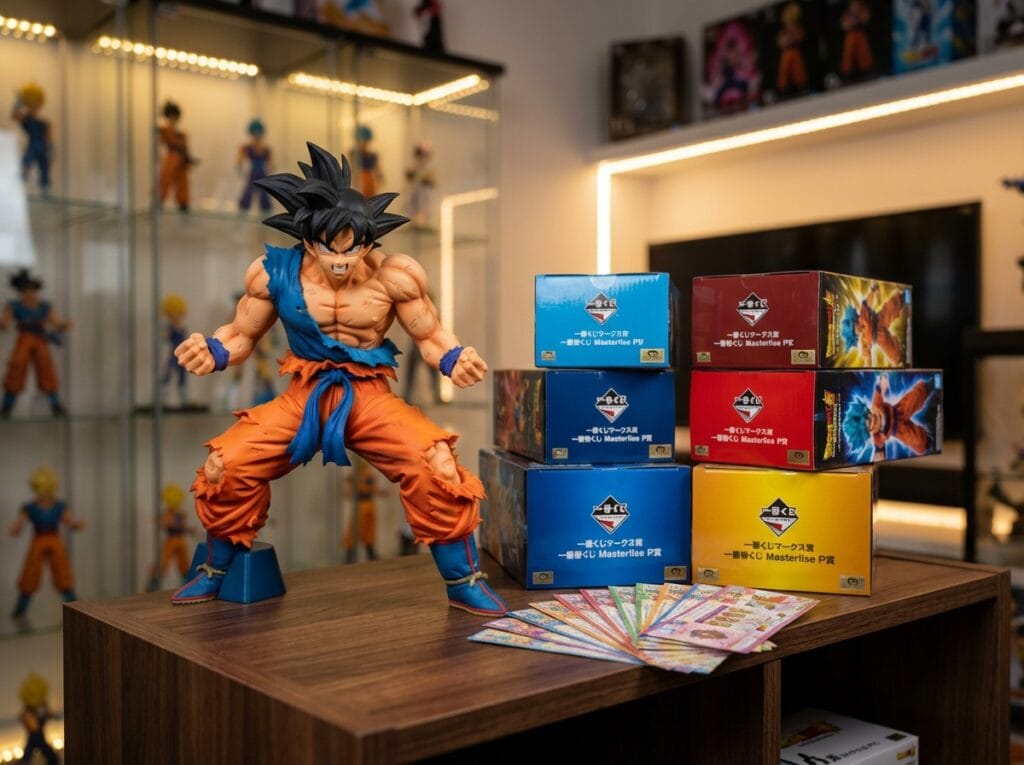
Walking into a shop and seeing those colorful rows of tickets is a rush, but you shouldn’t have to guess if you’re getting a good deal. Whether you are hunting for a massive masterpiece figure or a cute keychain, understanding the market is the best way to protect your wallet. This Ichiban Kuji Price Guide breaks down exactly what you should expect to pay so you can pull with confidence.
In Japan, you can usually grab a ticket for a few hundred yen, but prices jump quite a bit once those boxes cross the ocean. Since every single ticket is a guaranteed winner, the real strategy is knowing when to buy and when to wait for the resale market. I want to help you master the “Last One” prize mechanic and handle international markups without overspending on your favorite hobby.
Key Takeaways
- Importing Ichiban Kuji tickets to Western markets typically doubles or triples the original Japanese price of $5-$6, making individual tickets cost between $12 and $18.
- The ‘Last One’ prize is the most valuable item in any set and can only be secured by purchasing the final ticket, often making it worth two to three times the price of standard figures.
- Savvy collectors should compare the cost of remaining tickets in a box against the secondary market value of the remaining prizes to determine if clearing the shelf is a profitable move.
- Verify fair market value for high-end Masterlise figures by checking recent sold listings rather than active asking prices to avoid overpaying during initial release hype.
Breaking Down Ticket Costs And Import Markups
When you are hunting for these rare figures, the first thing you will notice is the massive price gap between Japan and the West. In a local Japanese convenience store, you can usually grab a ticket for around 700 to 850 Yen, which is roughly five or six dollars. This low entry price makes it easy for collectors to buy several tickets at once to hunt for those elusive A-tier prizes. However, once these sets make their way across the ocean, the logistics of shipping and importing change the math significantly. You will often see these same pulls priced between 12 and 18 dollars at local hobby shops or specialized retailers.
Understanding this markup is vital for any serious collector looking to maximize their budget. These higher prices reflect the costs of bringing heavy, oversized prize boxes into the country and the risk shop owners take by hosting the lottery. While paying double the Japanese price might feel steep, it often saves you the headache of dealing with international shipping fees yourself. I always recommend checking the current market value of individual prizes before you start pulling. This helps you decide if it is cheaper to try your luck with a 15 dollar ticket or simply buy the specific figure you want from a secondary market.
The real magic happens when a box gets low because the Last One Prize becomes a guaranteed win for whoever buys the final ticket. This mechanic creates a unique strategy where collectors wait for the box count to drop before swooping in to claim the remaining prizes. If you find a shop with only a few tickets left, it is often worth buying the rest of the stack to secure that exclusive variant. These Last One items frequently hold the highest resale value on online marketplaces because they are produced in much smaller quantities. Balancing the cost of the remaining tickets against the potential value of the rare figures is the secret to being a successful hunter.
Evaluating Masterlise Figure Market Values
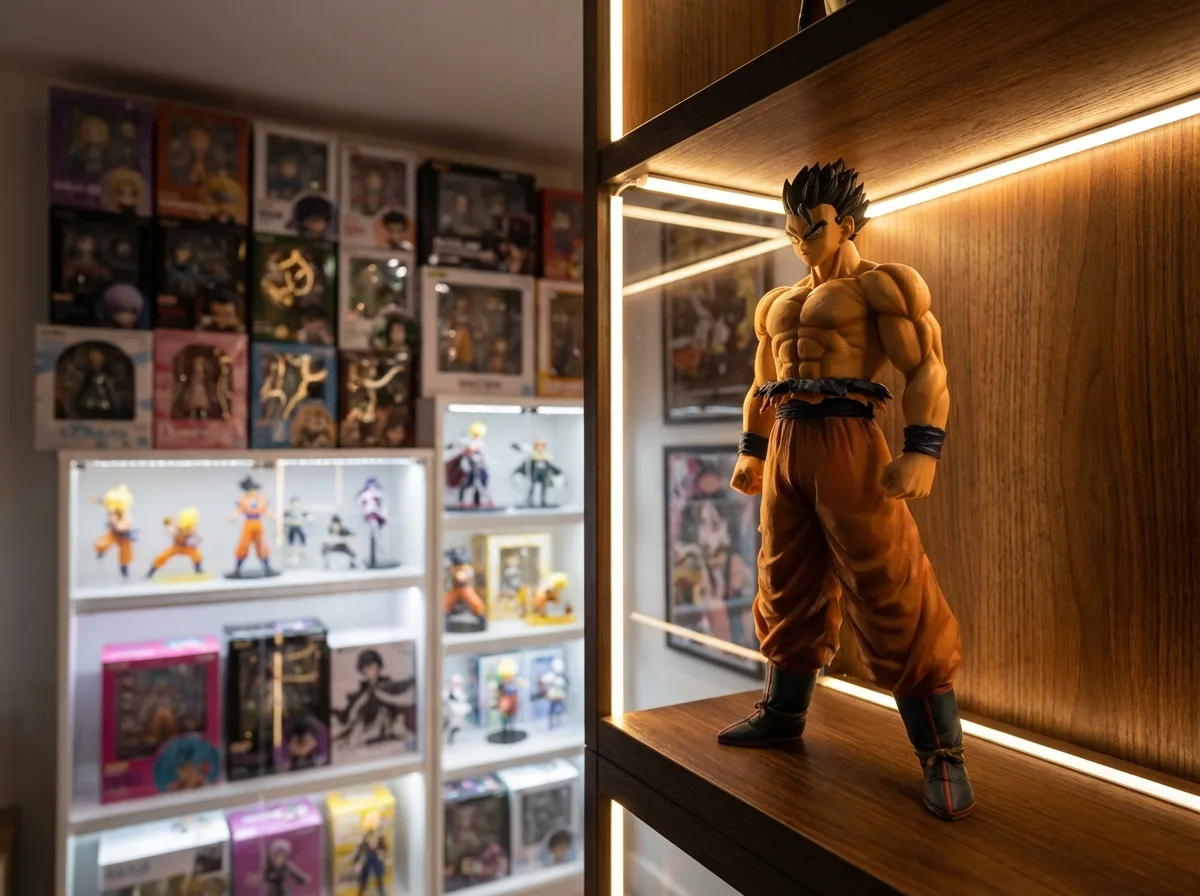
Determining the fair market value for Masterlise figures can be tricky since they are originally locked behind a lottery system rather than a standard retail price. These high-end A, B, and C prizes are the crown jewels of any Ichiban Kuji set because of their impressive size and incredible level of detail. On the secondary market, you will typically find these sought-after statues ranging from $40 to $150 depending on the character’s popularity and the rarity of the specific wave. I always recommend checking recent sold listings to ensure you are getting a fair deal from a reputable rare hunter. Collecting these specific prizes is a great way to see your favorite heroes brought to life with premium craftsmanship like when Goku reaches his full potential in Dragon Ball Z episode 95, Transformed at Last.
Because every ticket is a guaranteed win in Japan, the supply of these top-tier figures is strictly limited to just a few per box. This scarcity is why prices can spike quickly once a set sells out at local hobby shops or international retailers. If you are looking at a particularly iconic sculpt, expect to pay on the higher end of the $150 range, especially for characters with massive fanbases. I find that the value often holds steady or increases over time because these specific Masterlise versions are rarely re-released in the same format. It is a thrilling feeling to track down a rare prize that captures a legendary moment like when Gohan finally unleashes his hidden power in Dragon Ball Z episode 185, Awakening.
When you are hunting for these prizes online, keep in mind that the Last One Prize often dictates the ceiling for the rest of the A through C tier. This special variant is awarded to the person who buys the very last ticket, making it even more exclusive than the standard Masterlise figures. If the Last One version of a character is selling for a premium, the prices for the A and B prizes usually follow close behind. I always advise my fellow collectors to set a budget based on these market trends so they do not overpay during a bidding war. Finding that perfect piece for your shelf is just as satisfying as seeing a hero overcome impossible odds like when the Z Fighters unite against a common foe in Dragon Ball Z episode 191, Save the World.
Calculating The Last One Prize Premium
The Last One prize is the ultimate trophy for any Ichiban Kuji collector because it is the only item in the box that cannot be won through a lucky draw. To get your hands on this exclusive figure, you have to be the person who buys the very last ticket remaining in the set. Because it requires someone to potentially clear out an entire shelf of tickets, the secondary market price usually reflects that massive investment. These prizes are often special metallic repaints or unique poses of the most popular characters, making them stand out in any display. You will often see these listed for double or even triple the price of a standard Masterlise figure because of their extreme rarity.
When I am trying to figure out a fair price for a Last One variant, I always look at the current ticket count of active boxes. If a box has eighty tickets and the Last One prize is a massive Great Ape Vegeta, the value stays high because of the sheer cost to close the box. Collectors often hunt for these on resale sites, which drives up the premium even further for Western buyers who cannot visit a physical shop. You should expect to pay a significant convenience fee if you are buying one of these directly instead of hunting it yourself. This scarcity makes them the crown jewels of the Ichiban Kuji price guide, especially for iconic moments like Goku’s first transformation in Dragon Ball Z episode 95, Transformed at Last.
Sourcing Fair Deals On The Secondary Market
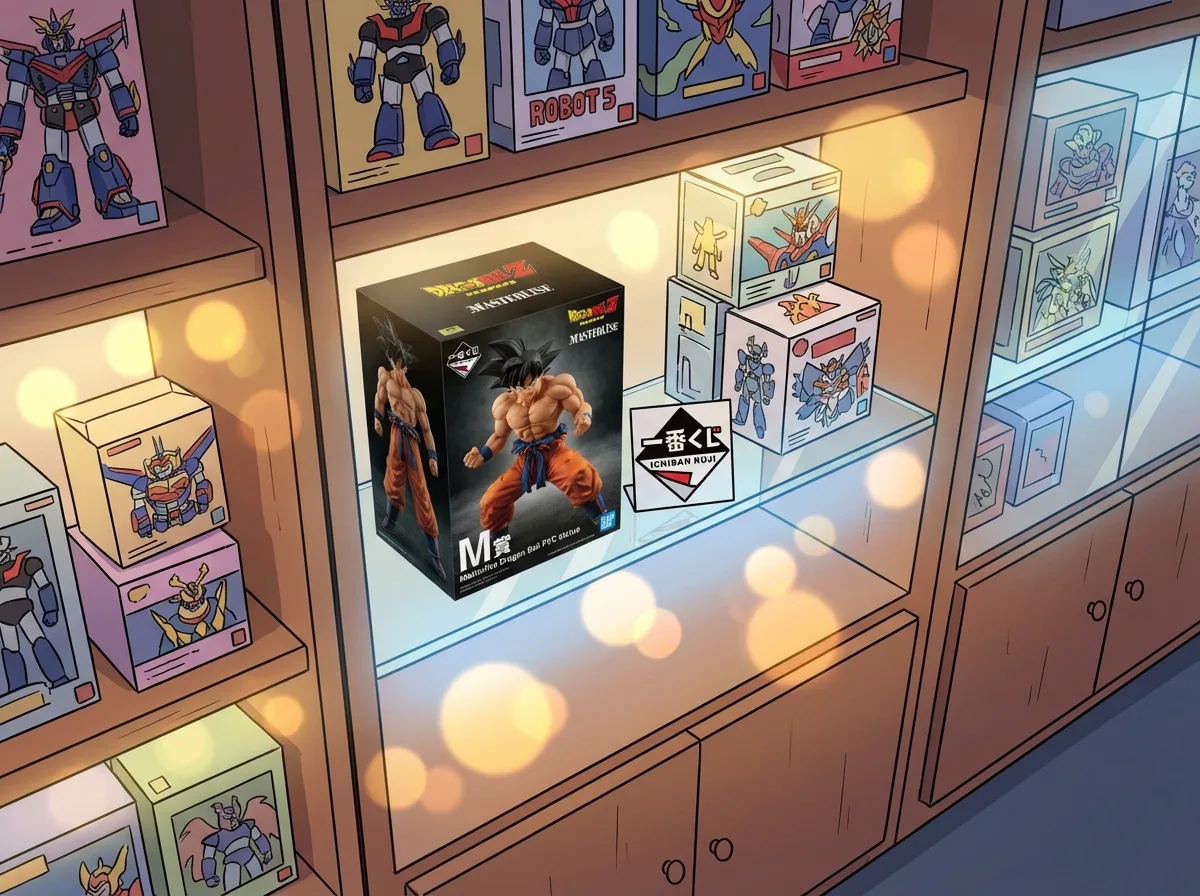
Finding a fair price for Ichiban Kuji figures on the secondary market can feel like a guessing game because of how the lottery system works. To get the best deal, I always start by filtering my search results to show only sold items, which gives me the actual market value rather than just what sellers are hoping to get. You should look for consistency in these prices over the last few weeks to see if a figure is trending up or down. If you see a Last One prize selling for double the price of an A prize, remember that these are technically much rarer because only one person can win them per set. This scarcity often drives up the cost for collectors who missed out on the live drawing.
I also recommend paying close attention to the specific labels and stickers on the box to make sure you are getting an authentic pull. Many high-value prizes from popular series like Dragon Ball Z or One Piece have distinct gold or silver stickers that prove they came from an official lottery box. If a price seems too good to be true for a Masterlise figure, it probably is, so compare the listing photos carefully with official promotional images. I find that waiting a few weeks after a new set drops can sometimes lead to better prices as the initial hype dies down and more sellers list their duplicates. This patient approach helps me build my collection with the best Banpresto Dragon Ball figures without overspending on items that might drop in value later.
Mastering the Ichiban Kuji Market Value
Understanding the relationship between ticket odds and aftermarket demand takes the guesswork out of collecting. By using this price guide, you can identify which A prizes or Last One exclusives are actually worth the premium and which ones might drop in price after the initial hype cools down. I always recommend checking sold listings on secondary marketplaces to see what collectors are realistically paying rather than just looking at the highest asking prices. This strategy helps you spot genuine deals and ensures you never overpay for a figure that was originally just a six dollar lottery pull.
Building a high value collection is all about timing and knowing the rarity of the specific series you are hunting. Since every ticket is a winner, the market often gets flooded with lower tier prizes like charms or towels, which makes the top tier figures even more desirable for serious collectors. You can save a lot of money by focusing your budget on specific characters or sets rather than buying random pulls at a high markup. Keeping this guide handy will give you the confidence to negotiate better prices and grow a stunning display without breaking the bank. This is especially true when investing in rare Dragon Ball statues that are often the centerpiece of high-end collections.
Frequently Asked Questions
1. How much does a single Ichiban Kuji ticket usually cost?
In Japan, you can expect to pay between 700 and 850 Yen for a single pull. This works out to roughly five or six dollars per ticket. This low price makes it easy to try your luck several times without breaking the bank.
2. Why are tickets so much more expensive outside of Japan?
Importing these sets involves high shipping costs for heavy prize boxes and extra risks for local shop owners. You will typically see tickets priced between 12 and 18 dollars at international hobby shops. Paying this markup is often easier than trying to ship individual prizes from Japan yourself.
3. Is it better to pull tickets or buy prizes on the resale market?
Pulling tickets is great for the excitement, but buying specific items from resellers is often smarter if you only want one specific figure. You should always check the current market value of a prize before you start spending money on random pulls. This strategy helps you decide which Dragon Ball action figure you should buy to avoid spending 50 dollars on tickets for a figure that only costs 30 dollars online.
4. What exactly is the Last One prize?
The Last One prize is a special, rare item given to the person who buys the very last ticket in a box. It is usually a unique variant of the A-tier figure and often holds the highest resale value in the entire set. Collectors often wait until a box is nearly empty to swoop in and claim this reward.
5. Are you guaranteed to win a prize with every ticket?
Yes, every single ticket in an Ichiban Kuji set is a guaranteed winner. Even if you do not hit the big A-tier figure, you will always walk away with a smaller prize like a keychain or a glass. This means you never leave the shop empty-handed regardless of your luck.
6. How can I tell if I am getting a good deal on a figure?
I recommend comparing the price of a ticket bundle against the individual resale prices on online marketplaces. If the cost of the tickets you need to clear a box is lower than the value of the remaining figures, it is a great time to buy. This is how savvy collectors build their collections while keeping their budgets in check.

