
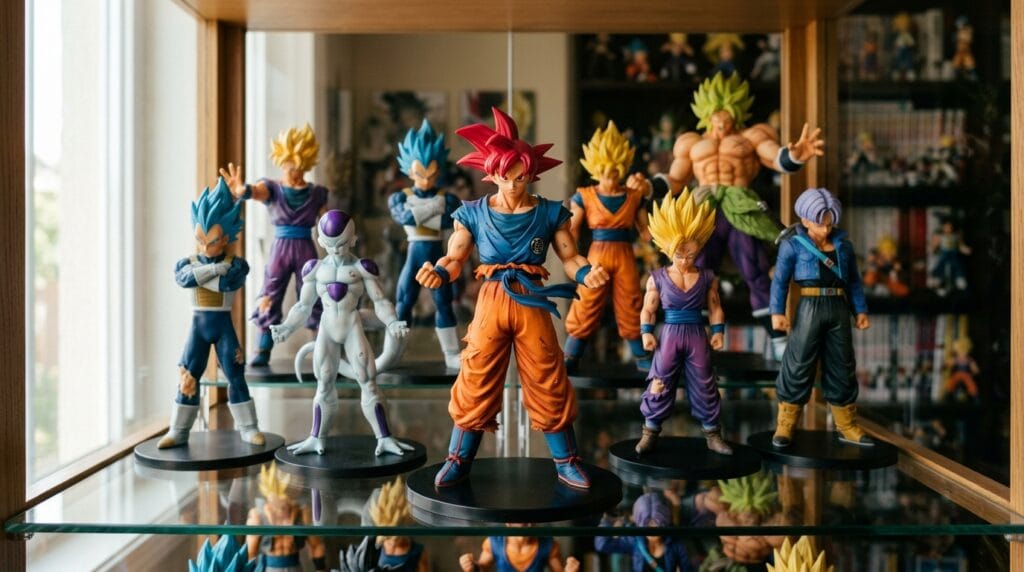
An Ichiban Kuji figure guide helps collectors decide whether a tempting lottery prize is worth the ticket price or better purchased on the resale market. Every ticket wins, but only select ranks include figures, so the smartest choice depends on sculpt quality, character appeal, rarity, and total cost. Understanding the prize tiers makes it easier to recognize genuine value instead of paying a premium for hype.
From major A-rank centerpieces to smaller figures in lower tiers, each release offers a different balance of quality and collectibility. This guide explains which Ichiban Kuji figures deserve a place on a shelf, which work well as gifts or first purchases, and which may not justify their price.
Key Takeaways
- Prize rank does not guarantee quality or value: compare the exact character, sculpt, pose, rarity, and demand, since lower-ranked figures can outperform A-prize releases.
- Choose between lottery tickets and resale based on total delivered cost and how many prizes you actually want; buying a specific figure secondhand is often more efficient than chasing it through random tickets.
- Evaluate secondary-market purchases using recent sold prices, shipping and import costs, condition, accessory completeness, remaining-ticket data, and any Last One premium rather than active asking prices alone.
- Verify authenticity and resale potential through official box markings, copyright information, prize labels, factory seals, clear condition photos, and seller reputation; Masterlise A-prize figures are generally strong centerpiece choices, while B- and C-prize figures may offer better budget value.
Ichiban Kuji Prize Tiers Explained
Ichiban Kuji ranks indicate how prizes are distributed, not a guaranteed quality ladder. A-prize figures are usually the release’s headline sculpt, while B- and C-prize figures may feature different characters, poses, costumes, or equally appealing designs. Lower ranks commonly contain towels, clear files, acrylic goods, mugs, charms, plush items, and art boards, although each lottery’s lineup and ticket count can vary. Collectors should compare the exact character and sculpt instead of assuming that A is automatically the best purchase.
Masterlise figures often stand out for their character proportions, painted details, and substantial presentation, but sculpt quality still varies by release. Original ticket pricing provides useful context, yet a figure’s secondary-market price reflects demand, rarity, character popularity, condition, and production quantity rather than ticket cost alone. Limited production can make a lower-ranked figure more desirable than an A-prize if it depicts a popular character or has a stronger pose. Buyers should also check photographs for official box markings, rank labels, franchise copyright information, and sealed packaging details that support authenticity.
Remaining-ticket information can explain why a prize is expensive or unexpectedly affordable on the secondary market. A desirable A-prize with many tickets still available may become easier to find, while a release with few tickets remaining can create urgency, especially when the figure has already been claimed. The Last One prize, awarded when the final ticket in a set is purchased, may include an exclusive color variant, upgraded finish, or alternate design, which can materially affect the set’s value. Before buying, collectors should compare recent sold prices, box condition, production scarcity, and the Last One premium, then decide whether the specific figure is worth more than its rank suggests.
Best Masterlise Figures To Buy

Masterlise figures are usually reliable Ichiban Kuji purchases when a collector wants a substantial sculpt without moving into premium statue pricing. A ranks typically command the highest resale prices, but sought-after B and C ranks can outperform them when the character or pose is especially popular. Secondary-market prices below assume a complete, authentic, boxed figure in clean condition, while opened examples usually sell for less. Buyers should compare sold listings rather than current asking prices and confirm that the box shows official Ichiban Kuji and manufacturer branding, copyright information, prize lettering, and intact factory seals.
This A Prize release from One Piece generally sells for approximately $55 to $85 on the secondary market, with sealed examples and clean box corners reaching the upper end. Its strongest feature is the confident Luffy pose, supported by a well-proportioned MASTERLISE sculpt, crisp facial details, and clear paint separation across the red vest, blue shorts, and skin tones. The original packaging is a tall, character-branded Ichiban Kuji box with the A Prize marking, official manufacturer identification, and printed licensing details, so collectors should be cautious of listings with blurry logos, missing seals, or mismatched boxes. Pros include strong shelf presence, dependable character recognition, and relatively broad resale demand. Cons include limited articulation, occasional paint variation, and a price premium for unopened stock. Verdict: this is the best choice for a One Piece fan who wants an instantly recognizable centerpiece with reliable secondary-market liquidity.
The A Prize Super Saiyan 4 Son Goku from Dragon Ball SUPER DRAGONBALL HEROES 5th Anniversary typically commands about $45 to $70, depending on box condition, release availability, and whether the figure remains sealed. Its sculpt benefits from an aggressive battle stance, layered hair and fur textures, and a muscular silhouette, while the red, black, and gold paint scheme gives the character more visual impact than a standard Goku release. The box should carry the official Ichiban Kuji release graphics, A Prize designation, manufacturer branding, and a matching product name, with authentic examples retaining clean printing and consistent copyright text. Pros include the dynamic pose, strong color contrast, and high display value. Cons include a larger footprint, occasional seam or paint inconsistencies, and softer demand than the most iconic Super Saiyan forms. Verdict: this figure suits collectors who prioritize an energetic sculpt and anniversary exclusivity over the lowest possible entry price.
Ichiban Kuji Figure Price Comparison
Prize rank is a useful starting point, but it should not be the only measure of value in an Ichiban Kuji figure guide. The comparison below focuses on popular Masterlise releases and uses broad secondary-market price ranges for boxed, authentic examples, since the exact lottery series, sculpt, production year, and character popularity can shift prices considerably. An A Prize figure often has stronger demand, yet a lower-ranked figure can be the better buy when its pose, scale, or character significance suits the collection. Buyers should match the release name and packaging photos before treating any price as a firm benchmark.
| Prize rank | Character | Masterlise status | Typical secondary-market price | Condition | Key feature | Best use case |
|---|---|---|---|---|---|---|
| A Prize | Monkey D. Luffy | Yes | $35 to $70 | New in box or complete opened | Large-scale heroic pose and detailed outfit sculpt | Best choice for a centerpiece One Piece display |
| A Prize | Son Goku | Yes | $40 to $85 | New in box, complete, with minor box wear acceptable | Strong silhouette, dynamic hair, and substantial size | Best for collectors prioritizing display impact and resale demand |
| A Prize | Tanjiro Kamado | Yes | $30 to $60 | Complete opened or sealed | Recognizable haori pattern and character-specific sword pose | Best for building a focused Demon Slayer character shelf |
| A Prize | Izuku Midoriya | Yes | $30 to $65 | New in box or carefully displayed | Expressive action pose with a broad, collectible-friendly scale | Best value for a My Hero Academia starter collection |
The final buying decision should compare the item price with the full delivered cost, including shipping, import fees, taxes, and currency-conversion charges. Completed-sale data is more reliable than active listings, while seller feedback, clear photos of the official packaging badge, and confirmation that all parts are included help reduce authenticity and condition risks. A boxed figure priced slightly above average can still be worthwhile if shipping is lower and the seller has a strong record, but a cheap listing may become expensive after international charges. Buyers considering several figures should also compare the combined cost with a complete lottery set, because a full set can offer better per-figure value when the sought-after A Prize and remaining lower-tier prizes are all wanted.
Authenticity Condition And Resale Value

Authenticity starts with comparing the box against official release images, especially the franchise logo, prize lettering, character name, and manufacturer markings. Genuine Ichiban Kuji packaging typically includes clear copyright text, consistent Japanese typography, a printed prize rank such as A, B, or Last One, and clean factory seals, although seal placement can vary by release. On the figure itself, inspect molded details, sculpt symmetry, paint edges, facial printing, and the fit of included accessories, since uneven paint, soft logos, mismatched colors, or missing parts can indicate a counterfeit or incomplete set. MASTERLISE figures should also match the advertised pose, scale, base, and finish rather than relying on the box alone. When buying through a secondary marketplace, asking for photographs of the box sides, seals, copyright panel, figure markings, and accessories is a practical way to reduce risk.
Condition has a direct effect on buyer confidence and resale value, so listings should describe it precisely instead of simply calling a figure “good.” New-in-box pieces generally command the strongest premium, while opened but complete figures can still be desirable if the sculpt and paint are clean. Displayed figures may sell for less because of dust or sun exposure, and damaged-box examples often appeal to collectors who prioritize the figure over the packaging. Loose figures usually bring the lowest price, particularly when the base, alternate parts, or other included accessories are missing. A small amount of shelf wear may be acceptable for an older prize, but crushed corners, torn seals, yellowing, odors, repainting, and broken pegs should be disclosed because they can materially change the buyer’s decision. Clear condition photos and an accurate parts checklist often protect resale value better than vague claims about authenticity.
Resale pricing depends on more than the original ticket cost, because franchise popularity, character demand, release age, and current market supply can move prices in opposite directions. A popular character from a major arc may remain expensive even in opened condition, while a less sought-after A Prize can soften when many sellers list identical stock. Last One figures often carry extra appeal because they were awarded after the final standard ticket was drawn, but rarity alone does not guarantee a premium if collectors do not want the character or if supply remains high. Before purchasing, collectors should compare several recent sold listings for the exact release, prize rank, condition, and accessory count rather than using active asking prices as proof of value. The best buy is usually the authentic, complete example whose condition and price match the collector’s purpose, whether that means a sealed investment piece or a clean display figure at a lower entry cost.
Choose the Best Ichiban Kuji Figure Value
For most collectors, the A-rank Masterlise figure is the safest all-around choice because it usually combines a substantial sculpt, strong shelf presence, and broad character appeal. It works well as a centerpiece without requiring the buyer to chase every prize in the set. The strongest budget value is often a B-rank or similarly positioned Masterlise figure that retains the line’s recognizable scale and detailing at a lower secondary-market price. These options can deliver much of the visual impact of the top prize, especially when the character is popular but the release has a healthy supply.
Resale-focused buyers may prefer a Last One prize or limited color variant, provided the character has consistent demand and the release is genuinely scarce. However, prize rank alone does not guarantee stronger returns, since sculpt quality, franchise popularity, production quantity, and recent completed-sale prices all influence resale performance. In this Ichiban Kuji figure guide, the best purchase is the one that matches the collector’s goal, whether that means a centerpiece, an affordable display figure, or a harder-to-find variant. Before committing, the buyer should prioritize verified authenticity, complete accessories, accurate condition photos, and the final delivered cost rather than prize rank alone.
Frequently Asked Questions
1. What is an Ichiban Kuji figure guide?
An Ichiban Kuji figure guide helps collectors evaluate lottery figures before buying a ticket or paying a resale price. It compares prize tiers, sculpt quality, character appeal, rarity, condition, and total cost to identify genuine value.
2. How do Ichiban Kuji prize tiers work?
Every Ichiban Kuji ticket wins a prize, but only certain ranks usually include figures. A-prize items are often the featured centerpiece, while B- and C-prize figures may offer different characters, poses, or costumes that can be just as appealing. Lower ranks commonly include goods such as towels, clear files, acrylic items, mugs, charms, plush products, and art boards.
3. Is an A-prize figure always the best Ichiban Kuji figure to buy?
No. A-prize status describes distribution within a specific lottery, not guaranteed quality or desirability. A lower-ranked figure can be more valuable when it features a popular character, a stronger pose, a better sculpt, or a more limited production quantity.
4. Are Masterlise Ichiban Kuji figures worth collecting?
Masterlise figures often appeal to collectors because they typically offer solid proportions, painted details, and substantial shelf presence. Quality still varies by release, so each figure should be judged by its sculpt, paint application, character design, stability, and current price rather than by the Masterlise label alone.
5. Should a collector buy a figure through the lottery or on the resale market?
The better option depends on the ticket price, the odds of receiving the desired rank, and the figure’s resale cost. Buying a ticket can make sense when several prizes are appealing, while the resale market is usually more efficient when a collector wants one specific figure and can purchase it for a reasonable premium.
6. What makes a lower-ranked Ichiban Kuji figure valuable?
Value can come from character popularity, an appealing pose, strong sculpting, limited availability, or a smaller number of pieces produced. Collectors should compare the exact design and demand instead of assuming that a lower rank makes the figure less desirable.
7. What should buyers check when purchasing an Ichiban Kuji figure secondhand?
Buyers should inspect clear photographs of the official box markings, prize rank label, franchise copyright information, and sealed packaging details. The figure’s condition, missing accessories, box damage, seller reputation, and price compared with recent market listings should also be reviewed before payment.
8. Which Ichiban Kuji figures are best for first-time collectors or gifts?
A well-known character with a clean sculpt, stable pose, and moderate resale price is usually a strong choice for a first-time collector or gift recipient. A-prize figures can provide a recognizable centerpiece, but an attractive B- or C-prize figure may offer better value when the character or design is more appealing.

