
Dragon Ball honorifics are small suffixes attached to character names, such as -san, -kun, -chan, and -sama, that signal respect, familiarity, or relative status. The Agency for Cultural Affairs identifies -san as the standard honorific, so it works in most situations. The suffix -san can follow a first or last name and can be used regardless of a person’s gender or age, while -sama is a more formal form that is commonly seen in letter addresses. Knowing what each suffix signals makes the honorifics you hear much easier to catch.
The other three are more specific. The Japan Foundation’s beginner materials describe -chan as common for children and sometimes close friends, -kun as a casual way to address a male of the same age or younger, and -sama as the more polite form shop staff use with customers. English subtitles don’t always keep these suffixes, but Dragon Ball Super sometimes does, as in the subtitle “Goku San.”
Key Takeaways
- The suffix -san is the standard honorific, so it works in most situations between Dragon Ball characters.
- Dragon Ball characters use -kun mainly for a male of the same age or younger, while -chan is common for children and sometimes close friends.
- The suffix -sama is the most polite form in this group, and shop staff use it when they address customers by name.
- Translators decide whether to keep, replace, or drop honorifics in each subtitle line, so comparing subtitles and dubs of the same scene shows how much the wording can change.
- Readers should judge any Dragon Ball honorific by the speaker’s age, rank, and tone, since the same suffix can sound warm or cold depending on the moment [Dragon Ball Super episode 55, “How about… Zen Chan?”].
What Do Honorifics Mean in Dragon Ball?
Honorifics in Dragon Ball are short suffixes added to a character’s name to signal respect, closeness, or rank. They tell you how two people see each other, and they work as social cues rather than exact English equivalents.
Start with -san, the most flexible of the group. Cambridge Dictionary describes it as a suffix that can follow either a first or last name and show respect. It can be used regardless of a person’s gender or age. In a workplace, it can also follow a manager’s family name, which is why it sounds neutral in most settings.
English has no direct equivalent for these suffixes. Adding “Mr.” or “Ms.” captures some of the respect but misses the warmth of -chan or the casual feel of -kun. Translators have to choose what to keep, adapt, or drop. A subtitle might keep the suffix as written, replace it with a word or tone in the English line, or remove it when the sentence already sounds natural. A 2025 master’s thesis on Dragon Ball Super subtitles quotes the line “How about… Zen Chan?” from episode 55 [Dragon Ball Super episode 55, “How about… Zen Chan?”] as an example of a subtitle keeping -chan.
Tone and relationship matter more than the suffix alone. A character can say -san in a polite, distant way or in a warm, friendly way, and the surrounding words usually show which one it is. When you hear an honorific, ask who is speaking, how well they know each other, and whether the moment feels formal or relaxed. Those answers often explain the suffix better than a dictionary entry can.
How Is -san Used Between Characters?
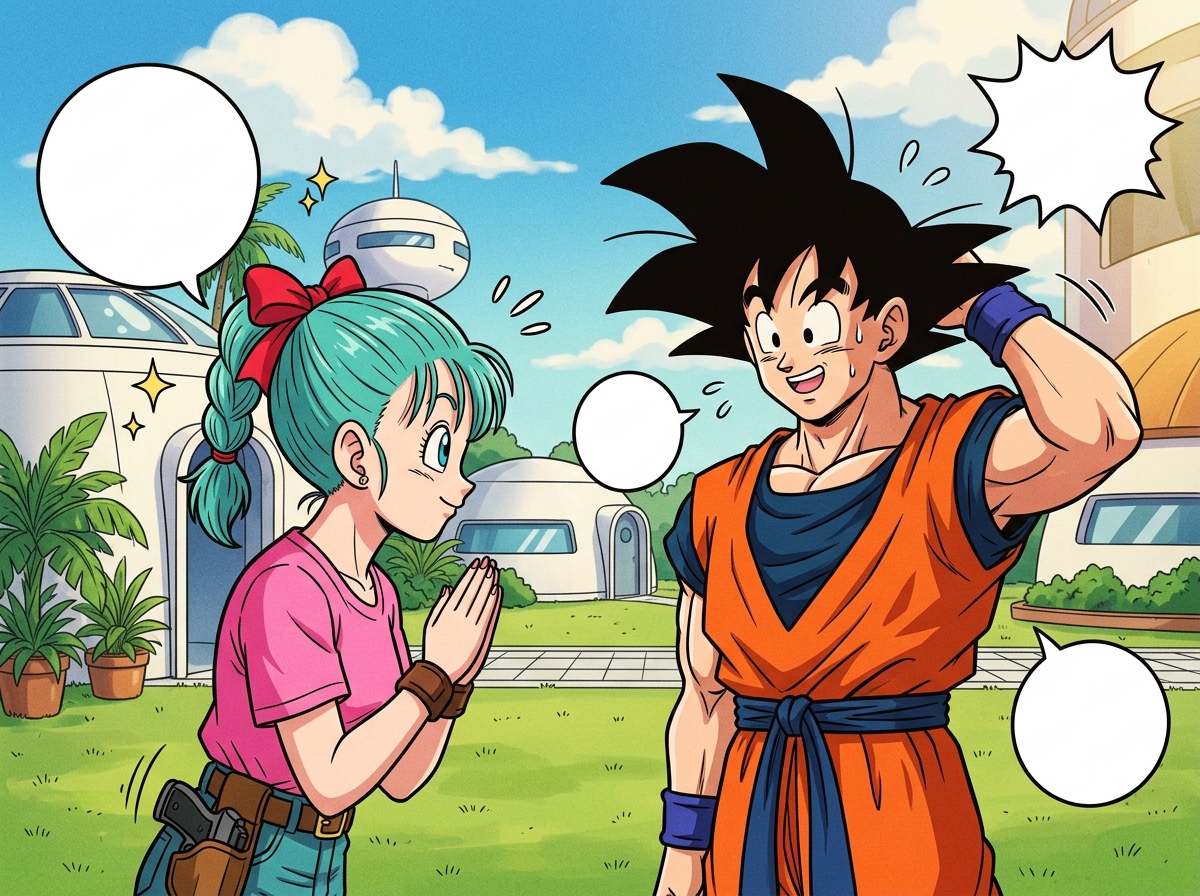
Characters use -san in everyday conversation because it fits almost any relationship. The Japan Foundation’s Irodori materials say it can be used regardless of a person’s gender or age, so you will hear it between friends, rivals, coworkers, and strangers alike.
The suffix attaches to a name in a specific order. In Japanese, the family name usually comes first, so the full name Son Goku is written with his family name first. When a speaker wants to sound formal, they may use the family name with -san, as in “Son-san,” rather than a first name.
Dragon Ball Super gives a clear example in English. The subtitle “Goku San” keeps the suffix from the Japanese, which is the kind of choice a translator can make [Dragon Ball Super episode 49, “Goku San”]. The same study notes that the subtitle retains -san.
Keeping -san is a choice, not a fixed rule. Many English releases drop the suffix and simply write “Goku,” because the English sentence reads more naturally without it. Some releases keep it in one scene and drop it in another, so the same character can seem more or less formal depending on the version you watch.
When you see “San” in a subtitle, treat it as a clue about how the translator approached the line. If it appears, the Japanese probably had -san there. If it doesn’t, check the dialogue for tone instead, since the English words may carry the same respect without the suffix.
When Do Characters Say -kun or -chan?
Characters use -kun mostly for a male of the same age or younger, and -chan mostly for children and sometimes close friends. Both are casual, so they signal a closer or more relaxed bond than -san does.
-kun is the suffix you will hear most often between boys and young men who know each other well. In dictionary usage, it is mainly attached to a man’s name when he is a colleague or someone in a lower position. That means a senior person may use -kun for a younger male coworker, while the junior person would usually choose a more respectful form when speaking to the senior.
-chan is the warmest of the casual suffixes. It is common for children, and adults may use it with close friends. The English subtitle for Dragon Ball Super episode 55 keeps it in the line “How about… Zen Chan?” [Dragon Ball Super episode 55, “How about… Zen Chan?”]. Keeping the suffix helps the line sound friendly and familiar, just as the Japanese dialogue does.
Be careful with these suffixes around people who are older or who hold a higher rank. Using -kun or -chan toward them can sound rude or overly familiar, as if the speaker is ignoring the difference in age or status. A young fighter who drops a senior warrior’s name with -chan, for example, would come across as cheeky rather than close. When you hear one of these suffixes, check the age and position of both characters. The gap between them often tells you whether the suffix sounds affectionate, playful, or disrespectful.
Why Does -sama Sound So Formal?
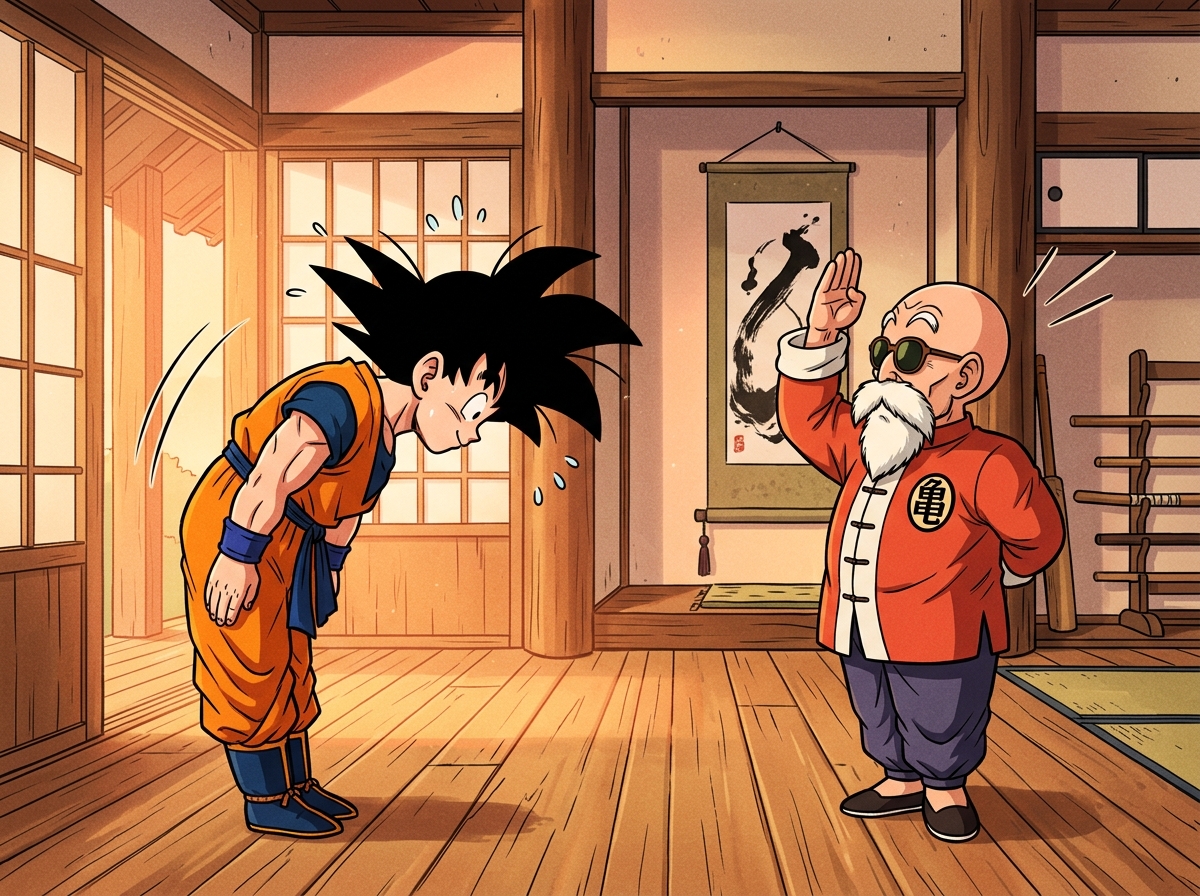
-sama is the most polite suffix in this group. It works like the English titles Mr., Ms., Miss, or Esq., and it tells you the speaker places the other person clearly above them in respect or status.
Formal guidance in Japan describes -sama as a formal form, and it is commonly seen in letter addresses. Shop staff use it when they address customers by name, and it is more polite than -san. You can think of it as the suffix for serving, writing to, or showing deep deference to someone.
Dragon Ball rarely shows a shop counter, but the same idea appears when characters speak to their leaders. Frieza’s soldiers, for example, speak to him with heavy deference, and the suffix helps make that servant-like tone clear in Japanese. If a speaker is lower in rank and the line sounds more like a report or an order than a casual chat, -sama is probably doing that work.
English subtitles often swap -sama for words like “Lord” or “Master,” or they rebuild the sentence in a stiffer style. The respect usually survives even when the suffix disappears. When you watch, notice how a character’s wording changes once -sama appears, and listen for the formal tone that comes with it.
How Do Subtitles and Dubs Change Honorifics?
Subtitles and dubs change honorifics by making a choice on each line. The translator can keep the Japanese suffix, swap it for an English word, or rewrite the sentence so the respect or closeness shows up in the wording itself. The study compares Dragon Ball Super’s English subtitles with an Arabic dub, using a qualitative analysis of the translation strategies behind each version.
Translators usually work with three options:
- Keep the Japanese suffix, so a subtitle still shows -san or -chan after the name.
- Use an English title, such as “Sir,” in place of the suffix.
- Rewrite the line so the tone carries the relationship, and the suffix disappears.
Keeping -san or -chan preserves the Japanese flavor, which is one reason fans like it. It can also feel unfamiliar, though. A viewer raised on English cartoons may read the suffix as a foreign word stuck into an English sentence. Dropping it makes the line flow more smoothly, but the extra warmth of -chan can get lost along the way.
Dubs add another layer. The Arabic version has to be spoken by actors, so the translator also has to fit the new words into the timing of each scene. That pressure can lead to a different choice than the one a subtitle writer makes for the same moment.
Results also differ between releases. The same character may sound polite and distant in one version and friendly in another. When you switch between versions, compare the same scene. If a suffix appears in one subtitle track and not another, the translators made different decisions, and the Japanese dialogue didn’t change.
Does a Character’s Relationship Change the Honorific?
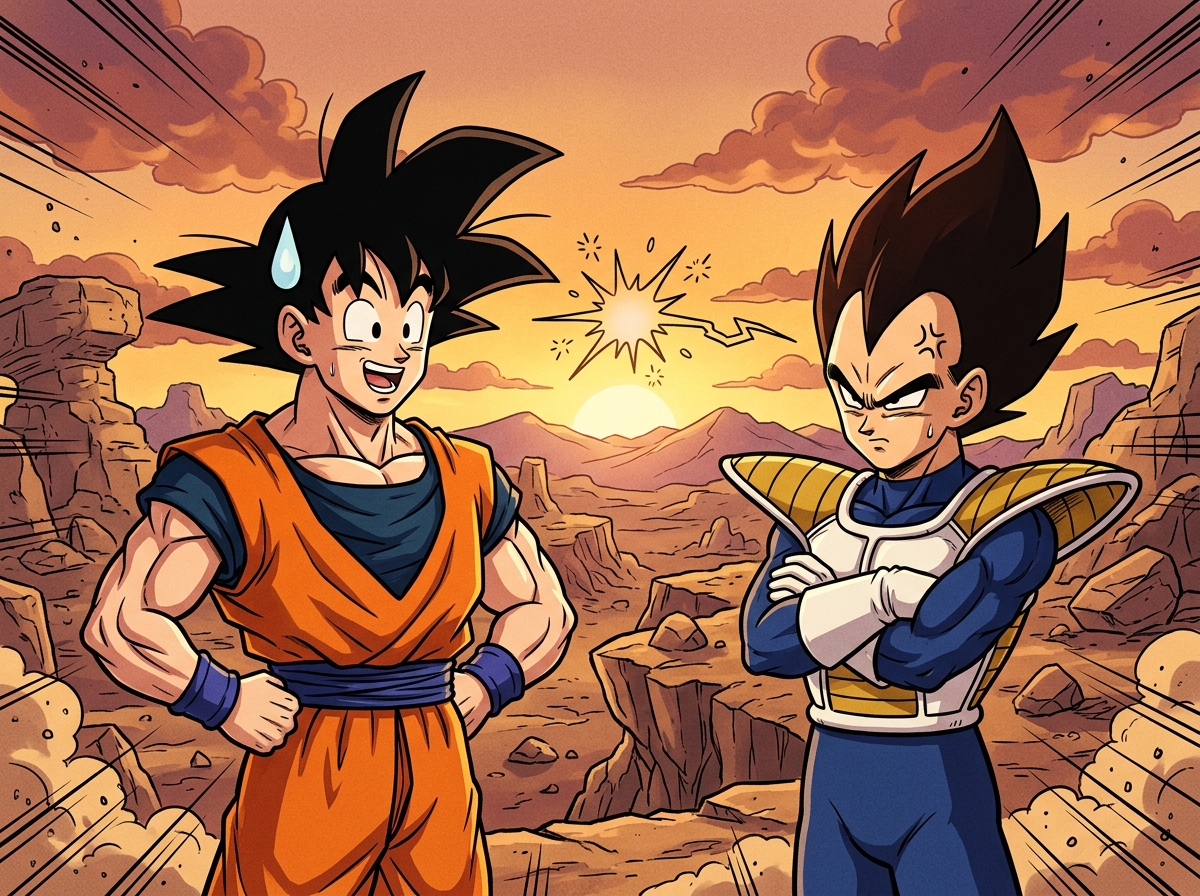
Yes. A character’s relationship, age, and setting all shape how a suffix sounds, and the same character may switch suffixes depending on who they are talking to.
Beginner teaching notes for Japanese say -san can be used when addressing a manager by surname. That shows a suffix can sound formal and still feel natural at work, so a surname with -san signals respect rather than distance.
Familiarity can grow over time. A character who starts out with a formal suffix may later switch to a casual one after working together, sharing a meal, or building trust. When that shift happens, it tells you the bond has changed, even if the rest of the dialogue sounds similar.
Public settings usually call for more formal address than private conversations. A character might use a more distant form in front of a crowd and a softer one when talking alone with a friend. Pay attention to who is in the room and whether anyone else can hear.
To read a suffix well, combine it with tone, setting, and the history between the characters. A -chan said in anger means something very different from a -chan said with a smile. Past fights, favors, or teamwork often explain why a suffix sounds warm, cold, or playful, so ask what has happened between the two characters before you decide what the suffix means.
Watching Dragon Ball With Honorifics in Mind
Try this on your next rewatch. Pick one episode of Dragon Ball Super and turn on the English subtitles. If your service also offers the Japanese audio, use it. Pause whenever a character says a name with a suffix, and jot down three things: the suffix, who is speaking, and who they are speaking to.
A good starting point is Dragon Ball Super episode 55, around the 13:13 mark, where the subtitle reads “How about… Zen Chan?” [Dragon Ball Super episode 55, “How about… Zen Chan?”]. Ask whether the speaker is older or younger than the person being addressed, and whether the moment feels playful or serious. Then find a subtitle or dub of the same scene, if you have one. Note whether the suffix stayed, turned into an English title, or disappeared.
After a few episodes, you will spot patterns quickly. Most of the time, the suffix matches the relationship you can already see on screen. When it doesn’t, that mismatch is often the most interesting part of the scene, because it can signal that two characters are growing closer, pulling apart, or trying to hide how they feel.
Keep your notes short. A simple list of suffix, speaker, listener, and scene is enough. Over time, you will build your own sense of how Dragon Ball characters talk, and you will catch details that a quick glance at the subtitles would miss.
Frequently Asked Questions
1. Do Dragon Ball characters ever drop honorifics altogether?
Yes, Dragon Ball characters often speak to each other without any suffix at all. Close friends, rivals, and family members regularly use plain first names, which signals an easy, equal bond or a lack of formality. Dropping the suffix can also show anger or disrespect, so the reason depends on the scene.
2. Is -sensei used in Dragon Ball, and what does it mean?
Yes, -sensei appears in Dragon Ball when characters address a teacher, master, or mentor. The word literally means “teacher” or “one who has come before,” and it is used for people who teach a skill or craft. Because it signals respect for someone’s knowledge, a student will usually pick it when speaking to a trainer.
3. Why do some characters use no honorific when speaking to Vegeta or Piccolo?
Characters such as Goku often speak to Vegeta or Piccolo without any suffix because they have fought together or competed with them for years. Leaving off the honorific can show equality, a rivalry, or a comfortable friendship rather than a lack of manners. Watch how the rest of the line sounds, since a plain name said with a grin feels very different from one said with a glare.
4. What does a character’s use of -dono suggest about their relationship?
A character who uses -dono is usually showing deep respect, often in a formal or old-fashioned way. The suffix sounds more traditional than -san and is associated with samurai-era speech, so it can make a character sound like a loyal servant or a dignified warrior. When you hear it, check whether the speaker is serving, following, or honoring the person they are addressing.