
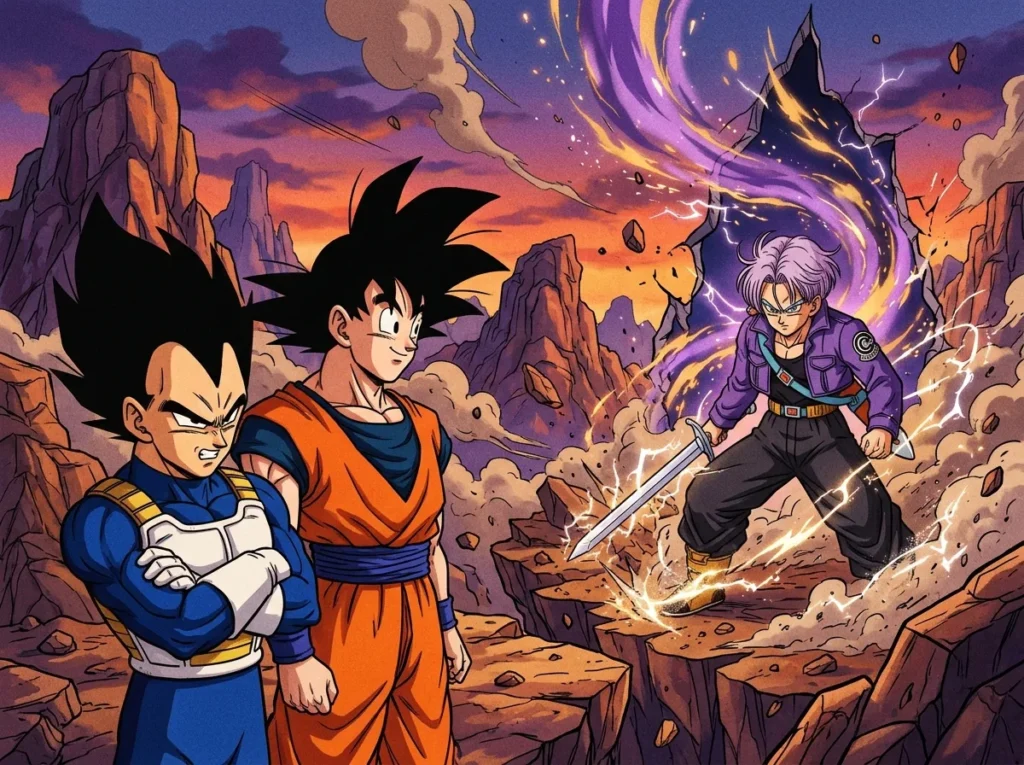
Dragon Ball fanfiction tropes are story patterns that fans reuse across many stories, often by changing a key event from the original anime or manga. One of the best-known examples is an alternate universe where Planet Vegeta survives. Fans tag these stories “Alternate Universe: Planet Vegeta Exists” on the Archive of Our Own (AO3). The archive recorded 2,578,113 works created in 2025 alone, which shows how many writers return to these ideas.
Other patterns are just as common. Fan-made Super Saiyan forms, character fusions, and pairings like Vegeta/Bulma, Gohan/Videl, and Goku/Vegeta all appear often in the fandom, as Fanlore’s Dragon Ball overview explains. AO3 also uses five rating labels, from General Audiences to Explicit, which helps readers filter stories by the content they want.
Key Takeaways
- Alternate universe stories where Planet Vegeta survives are among the most common Dragon Ball fanfiction tropes, and the Archive of Our Own recorded 2,578,113 works created in 2025 alone.
- Readers can use the Archive of Our Own’s five rating labels and archive warnings to filter stories by content, and Not Rated stories should be checked by reading their summaries first.
- Fan-invented Super Saiyan forms stay in fanfiction, because only the official Dragon Ball creators can make a form part of the anime or manga canon.
- Whether a Dragon Ball fanfiction is legal under U.S. law depends on a four-factor fair use test in Section 107 of the U.S. Copyright Act, and no fixed length or percentage guarantees fair use.
- Readers who want to explore fanfiction should pick one trope, scan its Archive of Our Own tag, and compare two or three stories to see how each writer changes the original.
What Are Dragon Ball Fanfiction Tropes?
A Dragon Ball fanfiction trope is a story pattern that many fan writers reuse. Usually, they change something from the original anime or manga and build a new story around that change. Fanfiction is fiction written by fans that starts from a source text, such as a TV series or manga, and then takes its own path.
Writers branch away from canon in several common ways. Some build alternate universes, where the world follows a different history or different rules. Others change a single event, such as a battle ending differently or a character surviving a fight that the original story settled another way. A pattern becomes a trope when readers recognize the same kind of change across many different stories.
Character-focused stories form another major group. Instead of Goku or Vegeta driving the plot, these stories follow side characters like Krillin, Android 18, or Piccolo and give them far more attention than the show did.
Reimagined relationships work the same way. A rivalry turns into a friendship, a mentor becomes a partner, or two characters who rarely shared scenes in canon get a full storyline together. Once you notice the pattern, you can spot it in stories all over the fandom.
Alternate Universes That Keep Coming Back
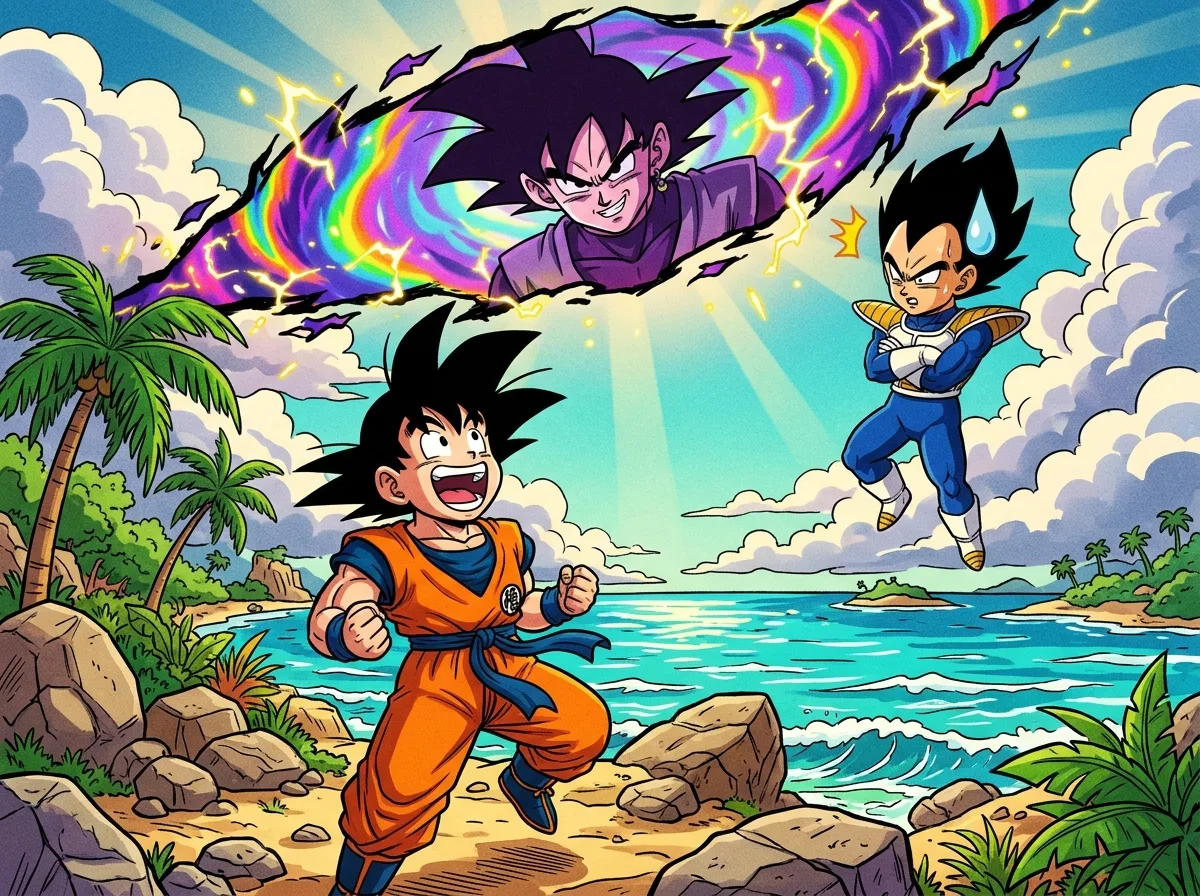
In the Dragon Ball story, Planet Vegeta is the home world of the Saiyans, and Frieza destroys it. That loss shapes much of Vegeta’s character, so many writers ask what would happen if the planet had survived. The most popular answer is an alternate universe. Fans label these stories with the tag “Alternate Universe: Planet Vegeta Exists” on the Archive of Our Own (AO3). Related tags such as “Planet Vegeta Still Exists” and “Saiyans Are Alive” point readers to stories with the same basic change.
When the planet survives, the Saiyan backstory changes with it. Vegeta does not have to carry the destruction of his people alone, so his pride, anger, and choices can develop in new directions. Many stories imagine a prince who grows up with a royal court and a homeland, rather than a warrior who fights for survival from childhood.
Goku gets new story questions too. He was sent to Earth as a baby and raised far from other Saiyans, so a living homeworld raises the question of where he belongs. Writers use this to build arcs about identity, family, and whether he would have followed a different path among his own people. Vegeta and Goku often share these arcs, sometimes as rivals with a common past.
The tags work because of how AO3 organizes its library. Tag wranglers connect similar tags to one main tag. When many writers use the same idea, the Organization for Transformative Works says it may become a new canonical tag. That system lets readers find a whole group of stories that rewrite the same key event.
Why Do Fans Invent New Super Saiyan Forms?
Fans invent Super Saiyan forms for characters who never get one in canon because it gives side characters a power moment the original story did not give them. In the series, the Super Saiyan transformation belongs to Saiyans, so Krillin, Piccolo, and Android 18 never turn golden on screen. Fan writers fill that gap by letting these fighters power up during a battle that matters to the plot.
The invented form also lets a writer give a side character the kind of transformation fans enjoy watching. A Piccolo story can build toward a glowing aura, a sudden burst of energy, and a rival who stops mid-punch to stare. Readers already know how a power-up should feel, so the scene needs little explanation.
Most fan-made transformations copy the power-up pattern that made the original series popular. The character trains or takes a beating, the energy builds until the ground shakes, the hair or aura changes, and the enemy is caught off guard. Because readers recognize that sequence, a new form feels earned even though it never appeared on screen.
Writers also like that an invented form can drive a whole story arc without changing the official timeline. A new form can raise the stakes for a character, explain why a rival respects them, or give a quiet fighter a reason to step into the spotlight.
Which Pairings Dominate the Dragon Ball Fandom?
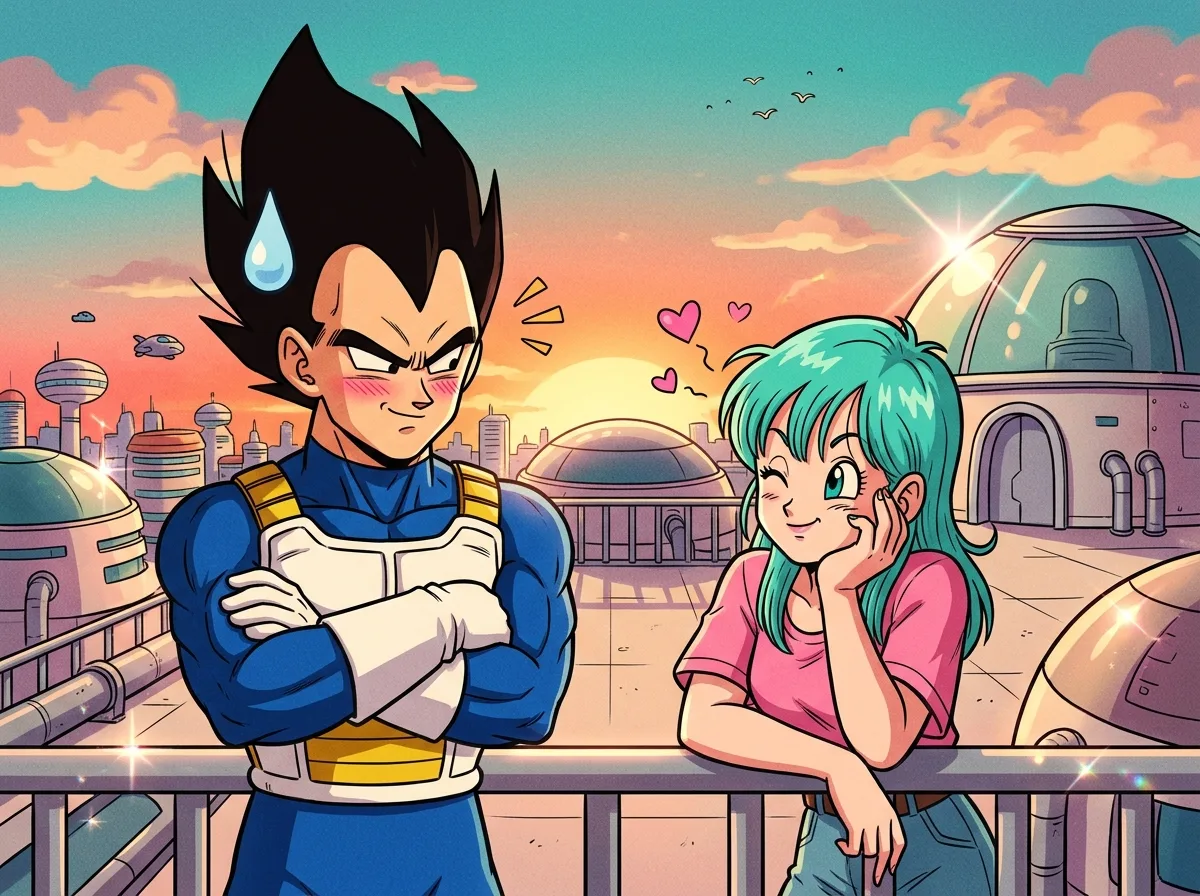
Shipping, which means writing stories around a romantic or close pairing, is one of the most common trends in Dragon Ball fanfiction. Writers choose pairs that the original series only hints at, then give them the attention the show rarely had time for. Three popular examples are Vegeta/Bulma, Gohan/Videl, and Goku/Vegeta.
Vegeta and Bulma have a son, Trunks, yet the series shows little of their relationship on screen. Fan stories fill that gap with everyday domestic scenes and the tension of a proud prince living among Earth’s comforts.
Gohan and Videl get similar treatment. The anime gives them only a few scenes together, mostly during the Saiyaman stories, so writers often build their romance from the ground up. A common approach shows a young fighter and a crime-fighting partner balancing school, training, and secret identities.
Goku and Vegeta offer a different kind of pairing. Their canon bond is a rivalry that slowly grows into respect, and many writers push that into deeper friendship, partnership, or romance.
Writers keep coming back to these pairs because the original story leaves so much room between the big fights. Shipping lets them explore how characters feel, not just how they fight, and readers who want that emotional side can find it quickly.
Finding Tropes Through AO3 Tags and Filters
The Archive of Our Own (AO3) has a tag system that makes trope hunting much easier. Volunteers called tag wranglers connect synonymous tags to a canonical tag, so a story tagged with a variant phrasing still appears when you search the main version. When many writers use the same idea, the wranglers may create a new canonical tag for it, which gives that trope its own clear label.
Start with a Dragon Ball tag page and scan the list of related tags. Variants such as “Planet Vegeta Still Exists” can lead you to stories you might have missed under a longer or less common title. Then use the filters on the results page to narrow things down.
Ratings are the first filter to check. AO3 offers five rating labels: General Audiences, Teen and Up Audiences, Mature, Explicit, and Not Rated. Not Rated means the creator did not choose a rating, so it is worth reading the summary before you start.
Warnings are the second filter. AO3 asks creators to select a specific archive warning when a work includes graphic violence, major character death, rape/non-con, or underage sex. Creators can also choose “Creator Chose Not To Use Archive Warnings,” so the summary and additional tags are still worth a look.
The scale of the archive explains why these tools matter. In 2025 alone, the AO3 annual report recorded 39.5 billion page views. That means a large, active library where careful filtering saves time.
Can New Dragon Ball Super Canon Inspire Fanfic?
Yes, the new official material gives fans fresh ground to build on. On January 25, 2026, the Dragon Ball Official Site announced Dragon Ball Super: The Galactic Patrol, which it described as following the anime’s Universe Survival Arc. That arc aired from 2015 to 2018, so many fans already know its characters and events well enough to compare them with anything new.
The next release is also on the calendar. Dragon Ball Super: Beerus will begin broadcasting and streaming in October 2026, with its Japanese premiere set for October 11, 2026. Writers usually start drafting once a new arc gives them characters and situations they can take in their own direction.
New canon characters and arcs tend to spark the same kinds of stories as older material. Writers often place a fresh character in an alternate timeline, or they explore a side character’s private thoughts during a period the show covers only briefly.
Watch the tag lists on AO3 in the months after each premiere. If a new tag starts collecting stories, it shows that fans have settled on a shared idea for the new material.
Is Dragon Ball Fanfiction Legal to Write?
Under U.S. law, whether a Dragon Ball fanfiction is legal depends on the facts of each story. Under Section 107 of the U.S. Copyright Act, fair use is judged by four factors: the purpose and character of the new work, the nature of the original, how much of the original is used, and the effect the new work could have on the market for the original.
The U.S. Copyright Office describes fair use as a case-by-case test. No fixed number of words or percentage of a work guarantees fair use. A story that quotes a short passage is not automatically safe, and a long story is not automatically unsafe.
Because the four factors are weighed together, a story that adds new meaning, such as an alternate timeline told from a fresh point of view, stands on different ground than one that reprints scenes from the manga. Writers should learn the general principle instead of relying on a rule of thumb they heard somewhere online.
Three questions can help. What does my story add? How much of the original am I reproducing? Could a reader use my story in place of the original?
Picking Your Next Dragon Ball Trope to Explore
Start by picking one trope that matches what you enjoy most about Dragon Ball. If you like Vegeta’s emotional side, the Planet Vegeta alternate universe is a good place to begin. If you want a quiet fighter to finally get a big moment, look for invented Super Saiyan forms on side characters like Piccolo or Android 18.
Next, open the AO3 tag for that idea and scan the first page of results. Filter for General Audiences or Teen and Up Audiences if you want lighter reads, and skip anything marked Not Rated until you have read its summary. Open the first chapter of two or three stories and note which parts of the original story the writer changed.
Then compare what you found. Ask which change made the story feel fresh and which one felt forced. Write your answers in a short list, because patterns become easier to spot when you see them side by side.
Once you know which trope fits your taste, search for a related tag, such as “Saiyans Are Alive,” to see how a different writer handles the same starting point. Reading two or three versions of one idea will show you more about how fans build on the original than skimming dozens of unrelated stories.
Frequently Asked Questions
1. How can I tell whether a fanfic follows the original canon timeline?
Start with the tags and summary, since AO3 writers often mark stories that change the original with alternate universe tags. A story with that kind of tag usually changes the history or rules of the world, while a story without one is more likely to match the official events. If the summary mentions a changed event, such as a character surviving a fight they lost on screen, read the first chapter to see how far it departs from the anime or manga.
2. Can a fan-invented Super Saiyan form ever become official in the anime or manga?
Only the official Dragon Ball creators can make a form official, so a fan-invented Super Saiyan form stays in fanfiction unless the anime or manga adds it. Fan ideas can still grow popular across many stories, but popularity alone does not change the canon. Readers can enjoy these forms as fan creations without expecting them to appear on screen.
3. Which Dragon Ball Super arc is a good place to start for new fan stories?
The Universe Survival Arc is a strong starting point because it aired from 2015 to 2018 and many fans already know its characters and events well. Its familiar setting makes it easier for readers to compare your story with the original. Dragon Ball Super: The Galactic Patrol is newer and still in production, so fans have had less time to build stories around it.
4. How long should a fanfiction be to share a trope well?
There is no set length that guarantees a trope works, because the right size depends on how much the story needs to change. A short story can show one changed event, such as a rival’s return or a side character’s power-up. A longer story has more room to build a full alternate timeline and show how characters grow, so focus on giving the change enough space to feel earned.

