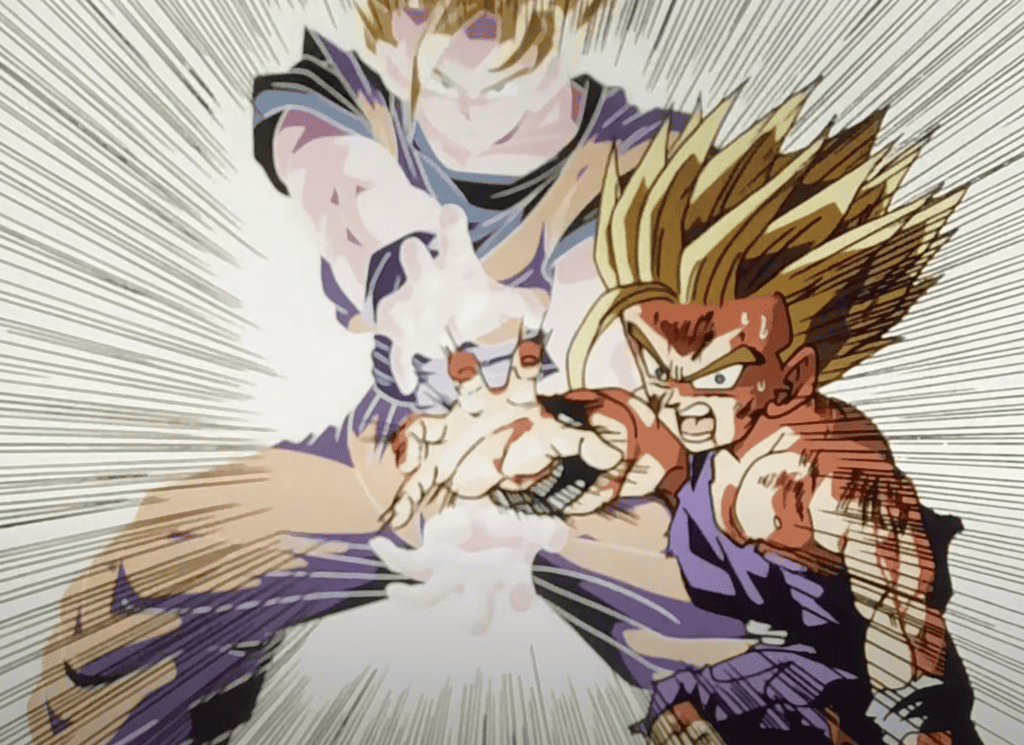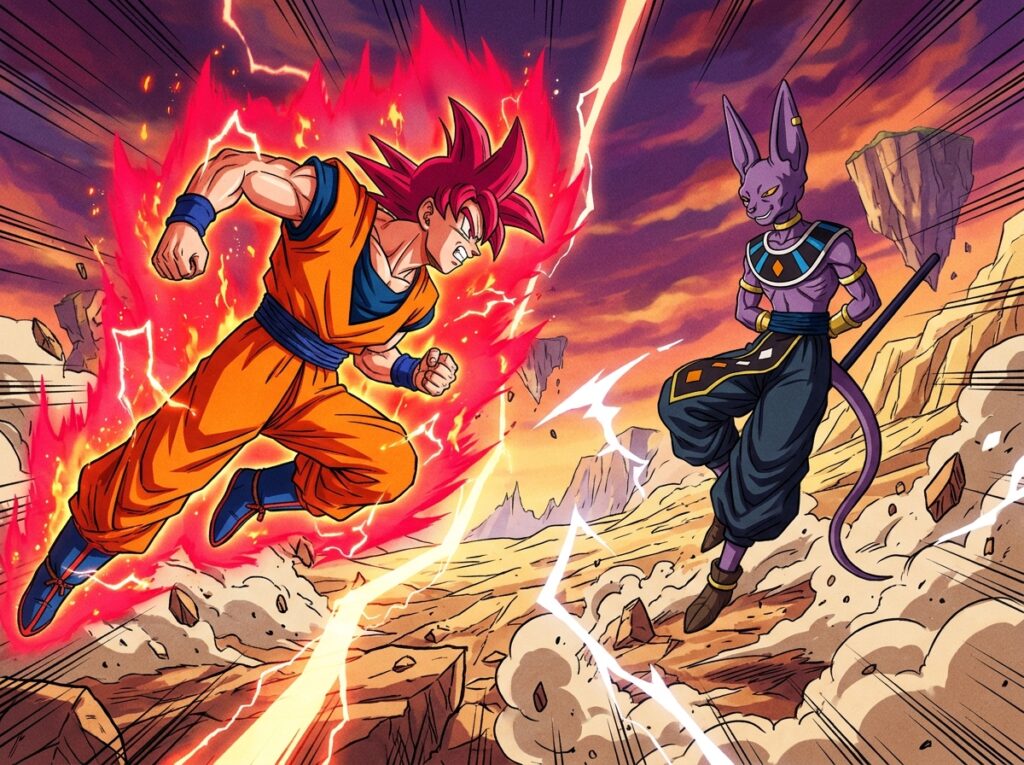
Dragon Ball movie canon is the question of whether a film is part of the main story told in the anime and manga. Canon is not the same as viewing order, so you can watch a film at any point in a rewatch and it can still sit outside the story. A GamesRadar canon guide describes the first three Dragon Ball films and the Dragon Ball Z films as technically non-canon, with Dead Zone the one film that could be argued to fit.
The Dragon Ball Super films are handled differently. Dragon Ball Super: Broly opened in Japan on December 14, 2018, and Dragon Ball Super: Super Hero sits after it and before the 28th World Tournament, as the official Dragon Ball site explained in 2021.
Key Takeaways
- Canon means a film’s events officially happened in the same world as Goku’s main adventures, and it is a separate question from viewing order.
- The first three Dragon Ball films and the Dragon Ball Z films are treated as non-canon, so fans should enjoy them as side stories.
- Dragon Ball Z: Dead Zone is the older film most often argued to fit the anime, but no official statement has settled its status.
- Dragon Ball Super: Super Hero sits after Dragon Ball Super: Broly and before the 28th World Tournament.
- Akira Toriyama’s creative credits on the Dragon Ball Super films do not by themselves decide whether a film is part of the main continuity.
What Does Dragon Ball Movie Canon Actually Mean?
Canon is the set of films, episodes and manga chapters that officially count as the main story of Dragon Ball. When a movie is canon, its events happened in the same world as Goku’s main adventures. When a movie is non-canon, it is a side story that sits outside the main timeline.
Canon and viewing order are two different questions. Viewing order is simply the sequence you choose to watch things in, whether that is release date, story chronology or some mix of the two. You can slot a movie into the middle of a rewatch, and it still might not be part of the main story. Watching a film at a certain point does not make it canon.
Fans use canon to decide which events they treat as real. If a film is canon, they count its characters, power levels and outcomes when they talk about the series. If it is non-canon, they can enjoy it on its own terms without building the main plot around it.
Canon is also not decided by who worked on a film. Akira Toriyama contributed the story, character designs and script lines for the Dragon Ball Super films, but those creative credits alone do not settle whether a film is part of the main continuity. The real question is where the film is placed within the official story.
Which Early Dragon Ball and Dragon Ball Z Movies Are Non-Canon?
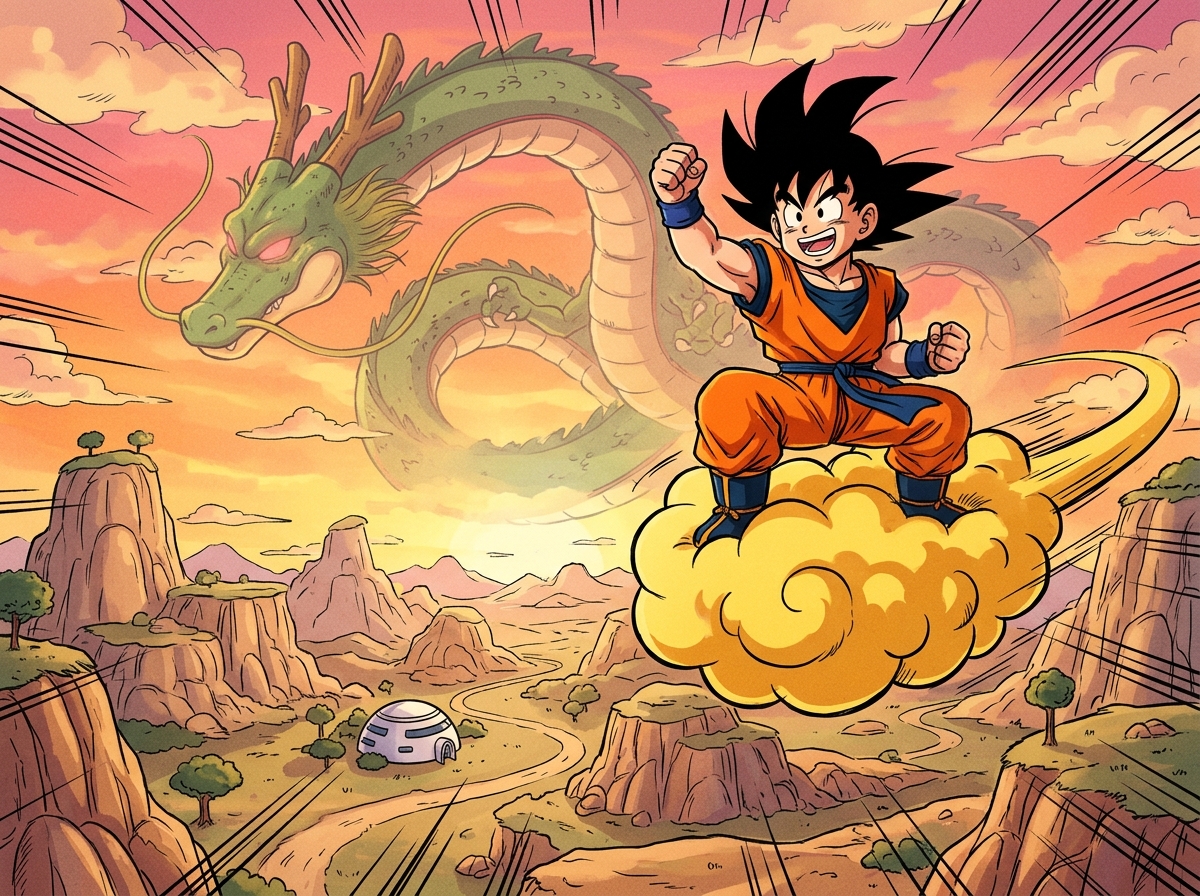
The early Dragon Ball and Dragon Ball Z movies are mostly non-canon, which means they sit outside the main story told in the anime. The first three Dragon Ball films and the Dragon Ball Z films are treated as technically non-canon. That makes most of them side adventures rather than official chapters of Goku’s journey.
The one older film that often comes up in canon talks is Dragon Ball Z: Dead Zone. It could be argued to fit the anime continuity, which makes it the exception people point to most.
The Dead Zone debate comes from its story links to the anime, not from an official ruling. The film connects to characters and events that viewers know from the series, so many fans read it as part of the same world. Still, a shared detail does not change a film’s status on its own, and no official statement has settled the question.
Here is how the main groups break down:
- The first three Dragon Ball films, which are treated as non-canon
- Most Dragon Ball Z films, which are also treated as non-canon
- Dragon Ball Z: Dead Zone, which is the one older film often argued to fit the anime
If you rewatch these films, it helps to treat them as side stories. Enjoy them for their own adventures, but don’t expect later episodes to pick up their events. If a non-canon film shows a power-up or a fight the anime never mentions, you can simply file it as a separate story. That keeps your picture of the main plot clear while you still enjoy the movies.
Is Dead Zone Part of the Anime Continuity?
Dead Zone is the Dragon Ball Z film that fans most often argue belongs in the anime’s main story, but its status has never been officially settled. It follows Goku, Gohan, and their friends as they face Garlic Jr., a villain who wants to live forever.
What sets it apart from other Dragon Ball Z films is how closely it connects to the TV series. Its characters and some of its key ideas line up with things viewers already know from the anime, so it does not feel like a standalone adventure the way most movies do. That overlap is the main reason many fans read it as part of the same world.
Still, shared characters and details do not make a film canon on their own. Some fans see the connections as proof that Dead Zone belongs in the main timeline. Others point out that nothing official has confirmed it and treat the film as a side story with a few familiar threads. Both views have support, which is why Dead Zone is best treated as a debated case.
If you want to make up your own mind, compare the film with the anime episodes you have already seen. Check whether its power levels, locations and character arcs agree with what the series showed at that point. If they fit, you may choose to count it as part of your main story. If they clash, you can keep it as a separate adventure.
Where Do the Dragon Ball Super Films Fit Into the Story?
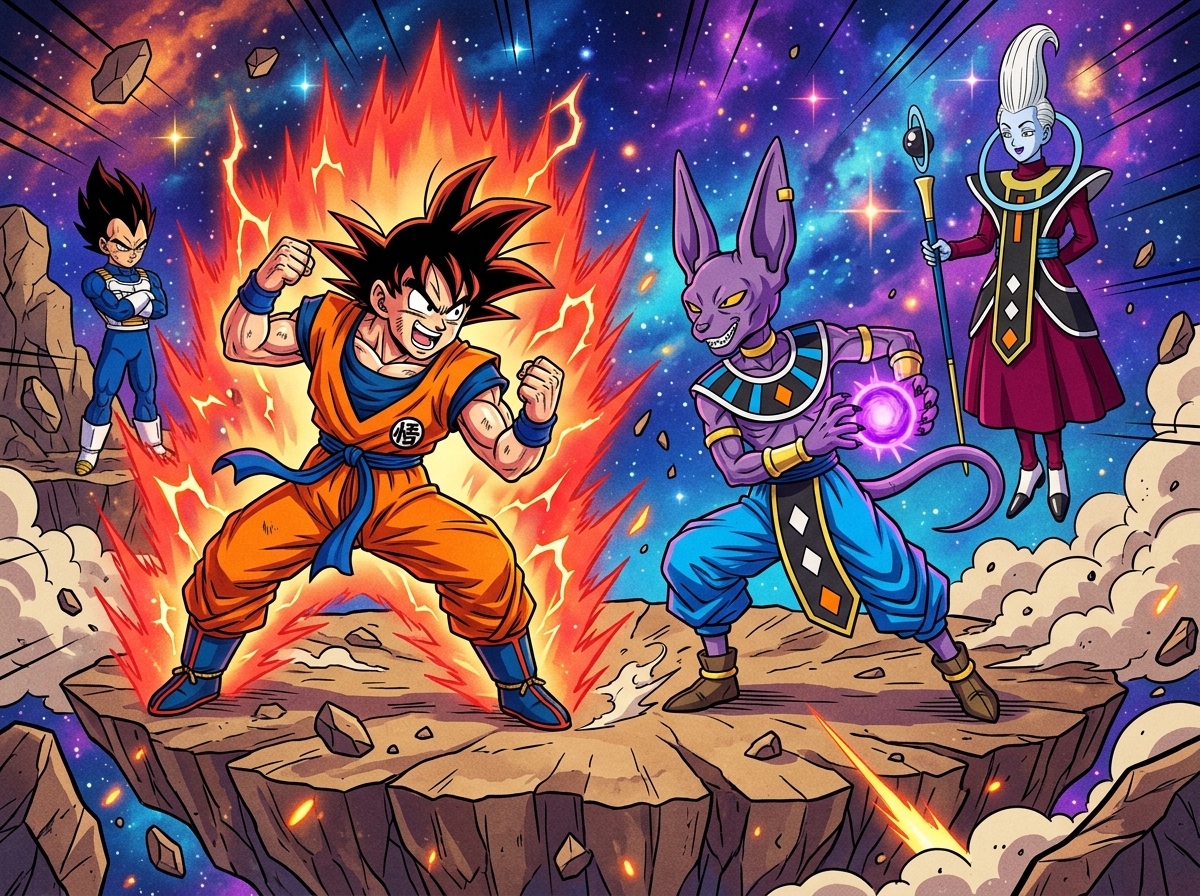
Dragon Ball Super: Super Hero sits after Dragon Ball Super: Broly and before the 28th World Tournament, so it belongs to the timeline of the Dragon Ball Super series. Akio Iyoku, executive producer at Dragon Room, gave that placement at a 2021 New York Comic Con discussion.
The TV series is set 10 years after Goku’s fight with Majin Buu, which gives the Super-era films a clear starting point. Toei Animation’s catalog listing shows Dragon Ball Super as a 131-episode series with 26-minute episodes, and lists Super Hero as a 2022 release. Knowing those dates helps you place each film against the episodes you have already watched.
Akira Toriyama wrote the Dragon Ball Super story, and VIZ Media credits Toyotarou with the art for the manga. Toriyama’s involvement went further into the films. Toei Animation says he contributed story composition, character designs and script lines to the Super-era movies, as described in its 2021 press release.
Still, having Toriyama’s name on a film is not the same as it being part of the main story. A creator credit tells you who shaped the work, but it does not decide where the work fits in the official timeline. Super Hero’s placement comes from its position in that timeline, which is why you should look at the placement itself rather than the list of names.
Super Hero also has a life beyond the movie. Its story continued in the Dragon Ball Super manga, which begins with a prequel that exists only in the manga. The arc then wraps up with developments set after the film, so the manga is a useful companion if you want the full picture.
How Does the Super Hero Manga Change the Picture?
The Super Hero story did not end with the movie. The Dragon Ball Super manga carries it further through a Super Hero arc that starts with a prequel available only in the manga. The arc then closes with developments set after the film, so the movie sits in the middle of the story rather than at the end.
The official Dragon Ball site said the arc’s conclusion would run in V Jump’s May edition, which was scheduled to go on sale in Japan on March 21. Readers who follow the Japanese release schedule can expect the final chapters to appear in that issue.
Because the arc has a prequel and an aftermath, the film alone does not show the whole Super Hero story. Someone who watches only Dragon Ball Super: Super Hero sees the events in the middle but misses how they begin and what follows. Anyone who wants the complete story needs both the film and the manga arc.
A simple way to approach it is to read the manga prequel first, watch Super Hero next, and then read the post-film chapters. This order follows the arc’s own structure. The film’s place on the timeline stays the same, between Dragon Ball Super: Broly and the 28th World Tournament, and the manga fills in the material on either side of it.
How Can You Tell if a Dragon Ball Movie Is Canon?
You can tell whether a Dragon Ball movie is canon by checking its era, its official placement and whether the anime or manga later uses its story. Run through these steps for any film you are unsure about, since each answer narrows down the next.
- Start by noting the era the film comes from. Early films and most Dragon Ball Z films begin as non-canon, so they need strong evidence to count as part of the main story.
- Next, check the official Dragon Ball site and creator interviews for a stated timeline position. A clear placement from the production team counts for more than a guess from fans.
- Then look at whether the film’s events appear later in the anime or manga. If a sequel chapter or episode picks up the film’s characters and outcomes, that is a strong sign the film belongs to the main continuity.
- Read fan rankings and forum threads only as a starting point. They show what viewers think, but they do not settle the question on their own.
- Write your canon verdict in one note and your planned viewing order in another. Keeping the two apart stops you from assuming a film is canon just because you watch it between two episodes.
Planning Your Next Dragon Ball Rewatch
Before you press play, split your watchlist into two piles. The first pile holds the anime and the Super-era films you want to count as main story. The second holds the non-canon movies you plan to enjoy as side adventures. Put Dragon Ball Z: Dead Zone on its own line with a note that says “debated,” so you can decide for yourself when you reach it.
Next, build the main run around the anime. Dragon Ball Super runs for 131 episodes, and most episodes are about 26 minutes long, so you can plan your viewing in clear blocks. Watch the series until the events of Dragon Ball Super: Broly would fall into place, then slot in that film. Dragon Ball Super: Super Hero comes after Broly and before the 28th World Tournament, so keep that order when you reach it.
Broly had passed $120 million in worldwide box-office revenue by 2021, which shows how many viewers followed the Super films. That popularity does not change where the films sit in the story, so keep your main list based on placement.
When you finish Super Hero, don’t stop there. Read the manga prequel that exists only in print, then the chapters that follow the film. Those chapters finish the arc, so your rewatch will feel complete.
Frequently Asked Questions
1. Is Dragon Ball Heroes considered canon?
Dragon Ball Heroes is generally treated as a side project rather than part of the main Dragon Ball story. It has its own storylines, separate from the events of Goku’s main adventures in the anime and manga. Fans who want the core story can follow the main anime and Super series and treat Heroes as a separate spin-off.
2. Is Dragon Ball GT part of the main canon?
Dragon Ball GT is generally not treated as part of the main canon. It was made as a sequel after the Majin Buu saga, and Akira Toriyama did not write its story. Many fans keep GT separate from the manga-based continuity and the Dragon Ball Super timeline.
3. Do non-canon Dragon Ball movies still matter to the overall story?
Non-canon movies still matter to fans because they show familiar characters in new situations and often introduce memorable villains and power-ups. They just do not change the events of the main plot. Many fans enjoy them as stand-alone adventures and skip them when tracking the official story.
4. Why do fans still argue about Dragon Ball movie canon years later?
Many Dragon Ball films have never received a clear official ruling on their place in the story. Dragon Ball Z: Dead Zone is a good example, since its shared characters and ideas lead some fans to call it canon while others see it as a side story. Mixing up viewing order with canon status also keeps the debate going.