Dragon Ball Z is a legendary anime, but it comes with a unique quirk known as filler content. These episodes were created because the anime production moved faster than Akira Toriyama could write the original manga. To avoid running out of source material, the animators added extra scenes and side stories that never happened in the comic books. While the series has a total of 291 episodes, about 13% of them are actually filler material that you can skip. Understanding this distinction is key to enjoying the show without getting bogged down by unnecessary plotlines.
I believe that skipping these non-canon episodes is the best way to experience the high-octane action the series is famous for. Some filler arcs, like the Fake Namek storyline, can feel slow and do not actually contribute anything to the main battle against Frieza. By using a guide, you ensure that you are watching the story exactly as the creator intended it to be told. You will not miss any critical character development or major plot twists by jumping over these specific segments. It saves you time and keeps the momentum going during the most intense sagas. This is especially helpful during the transition between the Frieza and Android sagas, where the pacing can feel particularly sluggish if you watch every single episode produced.
Key Takeaways
Approximately 13% of Dragon Ball Z consists of filler content created to let the manga catch up, and skipping it is often recommended to maintain the story’s momentum.
Major non-canon storylines like the Fake Namek and Garlic Jr. sagas can be completely skipped as they do not impact the main plot or character development.
Not all filler is worth skipping; specific episodes like Goku’s driving test and the Other World Tournament are highlighted as entertaining gems that add value to the series.
Viewers should be aware that even canon battles, such as the fight against Frieza, contain padded scenes and mixed content that significantly stretch the runtime.
The Purpose of Filler in Anime Production
To understand why Dragon Ball Z has so much extra content, you have to look at the relationship between the weekly Shonen Jump magazine and the Toei Animation studio. Back in the early 1990s, the anime was airing on television at the same time the manga was being published. Because an anime episode usually covers two or three chapters of a manga, the show would constantly threaten to overtake the written story. If the anime caught up to the manga, the animators would have no story left to adapt. To prevent this, they created filler episodes to act as a buffer.
This technical necessity resulted in two types of filler. The first type is the standalone filler episode, which usually focuses on comedy or minor character interactions. The second type is the expansion filler, where the studio takes a single page of a fight and stretches it into ten minutes of screen time. This is why you often see characters like Krillin or Yamcha fighting minor henchmen while the main battle happens in the background. While these moments were meant to give Akira Toriyama time to draw, they can sometimes make the pacing feel much slower for modern viewers who are binge watching the series today.
Major Filler Sagas Like Garlic Jr
While some filler is just a quick detour, Dragon Ball Z features entire storylines that were created solely to let the manga catch up. One of the most infamous examples is the Fake Namek saga, where Bulma, Krillin, and Gohan land on a mysterious planet thinking they have reached their destination [Dragon Ball Z episodes 39-44]. You can completely skip this adventure because nothing that happens here carries over to the actual battle against Frieza. The characters end up exactly where they started, so missing this illusionary world won’t leave you confused about the real Planet Namek. The villains they encounter, Zaacro and Raitchee, are never seen or mentioned again.
Another massive chunk of non-canon content is the Garlic Jr. saga, which takes place right after the heroes return from Namek but before the Androids arrive [Dragon Ball Z episodes 108-117]. This arc acts as a sequel to the Dead Zone movie and features Gohan and the others fighting to save the Earth while Goku is still missing in space. Since this villain never existed in Akira Toriyama’s original manga, the events here are never mentioned again once the main story resumes with Trunks. I suggest jumping straight to the Android saga unless you really want to see more screen time for characters like Kami and Mr. Popo. It is one of the few times Gohan gets to be the primary lead hero without his father around, which some fans find refreshing despite its non-canon status.
The Famous Goku Driving Episode And Gems

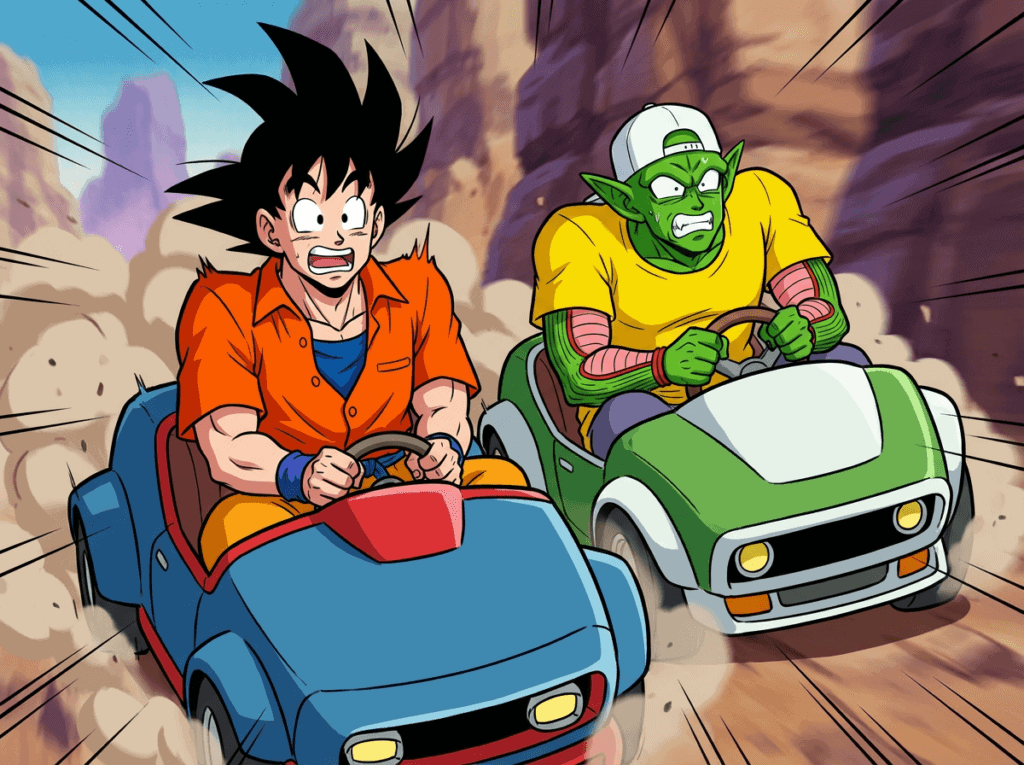
One of the absolute best moments involves Goku and Piccolo trying to get their driver’s licenses. Chi-Chi forces the two powerful warriors to attend driving school because she is tired of walking everywhere. Seeing Piccolo in street clothes and Goku panicking behind the wheel is pure comedy gold that you just cannot miss [Dragon Ball Z episode 125]. This episode proves that filler does not have to be action-packed to be memorable and entertaining. If you only watch one non-canon story in the entire series, I highly recommend making it this one. It provides a rare look at the mundane lives of the Z-Fighters during the three year training period before the Androids arrive.
Another hidden gem is the Other World Tournament arc that takes place right after the Cell Games. Goku enters a martial arts competition in the afterlife to test his strength against the strongest fighters from across the universe [Dragon Ball Z episodes 195-199]. This arc introduces Pikkon, a fan-favorite character who pushes Goku to use his Super Saiyan Kaioken technique. It provides great world-building and gives us a deeper look at what happens to heroes when they pass away. I honestly feel like this tournament fits so well that it barely feels like filler at all. It also introduces the four Kaios of the different quadrants of the galaxy, expanding the lore of the heavenly hierarchy.
You might also enjoy the quieter moments during young Gohan’s early training days before the Saiyans arrive. There is a touching story where young Gohan befriends a broken robot in a cave while trying to survive in the wilderness [Dragon Ball Z episode 9]. These small side stories add a lot of emotional depth to his character transformation from a scared kid to a brave warrior. While some fans skip everything non-canon, episodes like these help flesh out the cast in ways the main battles cannot. I think these brief detours are worth your time because they make the world feel much bigger and show Gohan’s development into a self-sufficient survivor before he ever faces Nappa or Vegeta.
Mixed Canon Episodes During The Frieza Fight

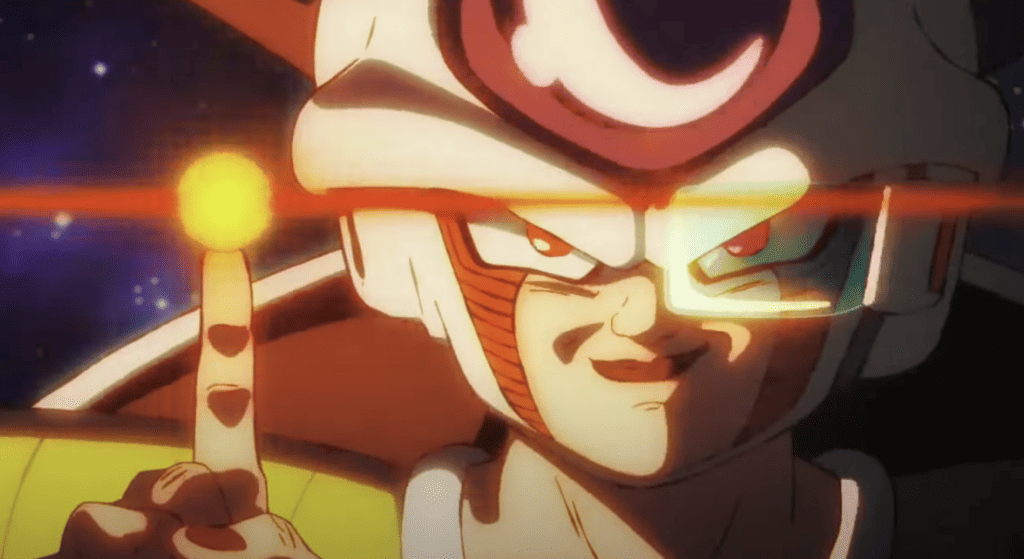
The battle between Goku and Frieza is famous for being the longest fight in anime history. While the core moments are incredible, the anime adds a lot of padding to stretch out the runtime. You will encounter scenes where characters stare at each other for minutes or power up endlessly. Some specific episodes mix crucial manga moments with completely original content that slows everything down [Dragon Ball Z episodes 100 and 102]. If you want the purest experience, keep your remote handy to skip past the repetitive screaming and reaction shots. This padding is the reason why the famous five minutes until Namek explodes actually takes several hours of real world time to watch.
Watching Dragon Ball Z should be an exciting ride rather than a test of your patience. By following this guide, you can bypass the confusing side stories and focus on the battles that actually matter. You get to experience the epic saga exactly how the creator intended it to be seen. Skipping the filler episodes saves you hours of time without missing any important plot points. Now you are ready to power up and enjoy the show without the fluff. You will find that the story moves at a much more natural pace when you focus on the chapters that originated in the manga.
The Impact of Filler on Secondary Characters
One interesting aspect of the Dragon Ball Z filler is how it handles characters who often get sidelined in the manga. While Goku and Vegeta are the primary focus of the major battles, filler episodes often give characters like Yamcha, Tien, and Chiaotzu something to do. For example, during the Namek saga, there are filler scenes showing the deceased Z-Fighters training on King Kai’s planet and even fighting off the Ginyu Force after they are killed on Namek. While these events are not canon, they provide fans of those specific characters with moments of triumph that the manga simply did not have time to include.
Similarly, the filler often expands on the daily lives of the supporting cast. We see more of the relationship between Krillin and Maron, or the domestic life of the Briefs family at Capsule Corp. These moments help to humanize the world and make the high stakes of the planetary threats feel more personal. If you find yourself deeply invested in the side cast, you may find that some of this non-canon material is more valuable to you than it is to a viewer who only cares about the next transformation or power level increase. It adds a layer of world building that makes the Dragon Ball universe feel lived in and vibrant.
Is Dragon Ball Z Filler Worth Watching?
Getting through Dragon Ball Z can feel overwhelming with nearly three hundred episodes to watch. I hope this guide helps you decide which extra adventures are worth your time and which ones you can safely skip. While filler episodes were originally created just to let the manga get ahead, they actually make up about thirteen percent of the entire series. Some fans might tell you to skip everything that isn’t canon, but I think you would miss out on some charming character moments. Unless you are in a huge rush to see the next big fight, try giving a few of these side stories a chance.
Remember that not all filler is created equal in this show. You might find the Fake Namek arc boring because it drags on without adding anything real to the plot. On the other hand, seeing Gohan survive in the wilderness or watching Goku run along Snake Way adds a lot of depth to their personalities. These extra scenes help build the world even if they do not strictly follow Akira Toriyama’s original manga pages. Ultimately, the best way to watch is whatever makes you enjoy the journey the most. If you feel the pace slowing down too much, just consult the episode list and jump to the next canon event.
Frequently Asked Questions
1. What exactly are filler episodes in Dragon Ball Z?
I define filler as extra scenes and side stories created by animators when the show moved faster than Akira Toriyama could write the original manga. These episodes never happened in the comic books, so they do not affect the main plot. Understanding this distinction is key to enjoying the show without getting bogged down by unnecessary plotlines.
2. Why do you recommend skipping the filler episodes?
I believe that skipping these non-canon episodes is the best way to experience the high-octane action the series is famous for. By using a guide, you ensure that you are watching the story exactly as the creator intended it to be told. It saves you time and keeps the momentum going during the most intense sagas.
3. How many episodes of Dragon Ball Z are actually filler?
While the series has a total of 291 episodes, about 13% of them are actually filler material that you can skip. This means there is a significant amount of content created solely to let the manga catch up. Knowing which ones to avoid helps you streamline your viewing experience.
4. Is it safe to skip the Dragon Ball Z movies as well?
Most of the Dragon Ball Z movies are considered non-canon and function similarly to filler episodes. They usually take place in “alternate timelines” because they do not fit perfectly into the show’s continuity. While they are fun to watch for the animation quality and unique villains, they are not required to understand the main story of the television series.
5. Is it safe to skip the Fake Namek saga?
You can completely skip this adventure because nothing that happens here carries over to the actual battle against Frieza. The characters end up exactly where they started, so missing this illusionary world won’t leave you confused about the real Planet Namek [Dragon Ball Z episodes 39-44]. It is a slow storyline that does not contribute to the main plot.
6. Will I miss important character development by skipping episodes?
You will not miss any critical character development or major plot twists by jumping over these specific segments. Since these stories were not in the original source material, they have no lasting impact on the heroes or villains. I find that skipping them actually helps the story flow much better.
7. What is the Garlic Jr. saga and should I watch it?
The Garlic Jr. saga is a massive chunk of non-canon content that takes place right after the heroes return from Namek but before the Androids arrive [Dragon Ball Z episodes 108-117]. It acts as a bridge to let the manga get ahead, but it has no bearing on future events. I recommend skipping it to get straight to the next major canon arc.