
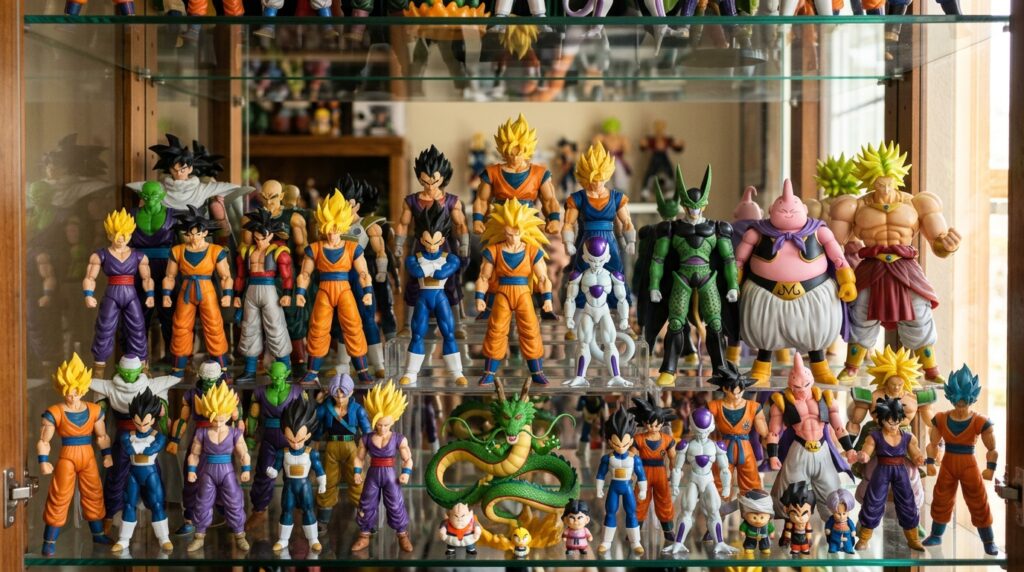
Rare Dragon Ball toys can be surprisingly valuable, but rarity alone does not guarantee a smart purchase. Sealed vintage releases, Japanese exclusives, unusual character variants, and discontinued figures tend to attract the strongest demand, while condition and authenticity can change the price dramatically. For collectors, the challenge is separating a genuinely scarce find from an ordinary figure with an inflated asking price.
The best choice depends on the buyer’s priorities: display quality, character selection, investment potential, or a manageable entry price. Reviewing release history, packaging, completeness, and recent market value helps determine whether a figure is worth the money before it joins the collection.
Key Takeaways
- Rarity alone does not determine value: release history, character scarcity, condition, completeness, packaging, and authenticity all significantly affect a Dragon Ball toy’s price.
- Sealed vintage figures and complete scarce two-packs typically command the strongest premiums, while complete loose uncommon-character figures offer better entry-level value.
- Japanese battle collection figures, capsule toys, and color variants can be highly desirable, but buyers must verify release details and distinguish legitimate exclusives from bootlegs, repaints, or misidentified versions.
- Before paying a premium, compare exact-item sold listings and inspect packaging, copyright marks, accessories, factory seals, paint details, and signs of resealing or replacement parts.
Rare Dragon Ball Toy Comparison
| Collectible | Estimated price tier | Sealed versus loose value | Standout feature | Buyer risk | Ideal collector |
|---|---|---|---|---|---|
| Sealed vintage Piccolo | High | Sealed examples can be worth several times more than complete loose figures | Distinctive U.S. vintage release with strong character appeal | Reproduction packaging, crushed card, and opened seals | Condition-focused vintage collector |
| Sealed vintage Super Saiyan Goku | High | Clean, unopened packaging carries the strongest premium | Recognizable hero character from the late 1990s market | Common-looking versions can be mistaken for scarcer releases | Collector building a sealed vintage display |
| Scarce vintage two-packs | High | Complete two-packs generally outperform separated loose figures | Pairing, exclusive artwork, and harder-to-find packaging | Missing accessories, resealed boxes, or figures split from sets | Advanced U.S. release tracker |
| Uncommon-character vintage figures | Medium to high | Complete loose figures can remain valuable when the character is scarce | Less frequently produced characters stand out in a display | Loose parts, paint wear, and uncertain release identification | Character-focused collector on a flexible budget |
| Japanese vintage battle collection figures | Medium to high | Original packaging raises value, while complete loose figures can still be desirable | Vintage Japanese sculpts, scale, and release variety | Bootlegs, swapped accessories, and packaging differences | Serious Japanese vintage collector |
| Unusual Japanese capsule or color variants | Medium to high | Rarity and documented variation often matter more than packaging alone | Unexpected colors, poses, or capsule-only distribution | Repaints, custom work, and poorly documented variants | Research-minded variant hunter |
For most buyers, the best starting point depends on whether display condition or character rarity matters more. A sealed vintage Piccolo or Super Saiyan Goku is a clear choice for a nostalgic collector who wants an unopened late 1990s centerpiece, provided the card and blister are authentic and clean. Scarce vintage two-packs are stronger targets for advanced buyers because completeness and original pairing can significantly affect the price. Collectors working with a smaller budget may find better value in a complete loose figure featuring an uncommon character, especially when all accessories and identifying marks are present.
Japanese vintage battle collection figures offer a different appeal, combining vintage sculpting with a broad range of releases that reward careful research. Unusual capsule figures and color variants can be worthwhile purchases when the seller provides clear photographs, measurements, and a convincing release history. Before paying a premium, buyers should compare package construction, copyright markings, paint details, accessory fit, and signs of repainting against reliable reference images. In practical terms, sealed vintage releases suit condition-first collectors, scarce two-packs suit completionists, and Japanese variants suit patient hunters who enjoy verifying exactly what they found.
Vintage U.S. Picks
Vintage Dragon Ball Z Piccolo Figure remains one of the more accessible sealed vintage picks, especially for collectors who want a recognizable character without paying scarce-release prices. Its advantages include a classic early-2000s sculpt, familiar card-back artwork, and relatively broad availability. Drawbacks include basic articulation and frequent packaging wear. Collectors should inspect the blister for cracks, yellowing, lifting, and sun fading, then confirm that the figure, accessories, and printed name match the official carded release. This is a good fit for nostalgic buyers building a sealed vintage display, and it is worth the asking price when the card is clean and the premium remains modest compared with recent sold examples.
Vintage Dragon Ball Z Super Saiyan Goku Figure and Vintage Dragon Ball Z Super Saiyan Vegeta Figure offer strong Saiyan appeal but usually attract more competition than standard character releases. Their advantages include instantly recognizable designs, easy display value, and strong gift appeal. Drawbacks include plentiful loose examples and common problems such as paint rub, bent card corners, crushed bubbles, and missing accessories. Sealed examples should retain an attached blister, readable character branding, and an unaltered back panel, since resealed or mismatched packages can look convincing in photographs. These figures suit first-time vintage collectors and nostalgic fans, but either is worth the asking price only when the packaging is notably clean or the price reflects ordinary condition.
Vintage Dragon Ball Z five-inch figure releases and discontinued two-packs, including sets pairing less commonly issued characters, are the more speculative buys in this group. Their advantages include greater scarcity, stronger shelf presence, and the chance to own characters rarely represented in U.S. merchandise. Drawbacks include inconsistent articulation, fragile blister seams, and substantial price differences between common singles and genuinely scarce pairings. The ideal package has an intact sealed bubble, sharp card or box graphics, matching accessories, and no evidence of replacement tape. Loose figures should be checked for paint loss, stress marks, and missing parts. These items suit experienced rare Dragon Ball toy hunters, and a premium is justified only for authenticated, complete, sealed examples with a character combination that is demonstrably difficult to find.
Japanese Dragon Ball Rarities
Vintage Japanese battle collection figures are a strong starting point for collectors of rare Dragon Ball toys because their sculpts, character selection, and original packaging are relatively easy to identify. Uncommon characters, first-release versions, clean paint, unbroken accessories, and sealed blister cards raise desirability, while loose figures with paint rub, missing stands, or yellowed plastic are much less competitive. Strengths include durable display quality and recognizable 1990s packaging, but drawbacks include frequent bootlegs, resealed cards, and high premiums for popular characters. Loose examples generally fit an entry to mid-value tier of about $25 to $150, while sealed or genuinely scarce releases can move into the $150 to $400-plus tier. New collectors should begin with a complete loose figure at a fair price, while advanced buyers should prioritize verified sealed cards and less common characters.
Early Japanese capsule and gashapon figures appeal to collectors who value small-scale nostalgia, unusual poses, and the hunt for complete sets. Their strengths include affordable entry prices, distinctive sculpt variations, and compact displays, although tiny missing parts, capsule wear, paint rub, and uncertain series identification can make condition difficult to judge. A common loose figure may fall below $20, complete early sets often sit in the $40 to $150 range, and rare characters or untouched original capsules can reach higher tiers. Original capsules, paper inserts, series markings, and clear photographs of every piece help confirm authenticity and completeness. These are recommended for new collectors building a focused character or series collection, while advanced collectors should seek obscure releases with documented dates and regional distribution.
Japanese exclusives and unusual color variants deserve careful research before purchase because a legitimate regional release can be far more desirable than a simple repaint. Their strengths include scarcity, visual difference, and strong appeal to collectors who already own standard versions. Drawbacks include exaggerated seller claims, unauthorized custom paint, and inconsistent price history. A documented exclusive or factory variant may fit a $100 to $300 value tier, with sealed, exceptionally scarce examples exceeding that range, while an unverified loose repaint should be treated as a lower-value item. Before buying, collectors should compare packaging typography, copyright marks, sculpt details, paint application, and sales from completed marketplaces rather than relying on a listing title alone. New collectors should choose a well-documented variant with original packaging, while advanced collectors can pursue rare colorways only when provenance and condition justify the premium.
Authenticating Rare Dragon Ball Purchases

Authenticating rare Dragon Ball toys starts with identifying the exact release, not accepting a generic “vintage Dragon Ball” label. Collectors should compare manufacturer markings, copyright dates, logos, sculpt details, paint applications, and package layouts against confirmed vintage and Japanese examples. A sealed blister should show consistent factory seams and clean, undisturbed edges, while uneven plastic, lifted card stock, excess glue, or mismatched aging can indicate resealing. Box wear should make sense for the toy’s claimed age, because artificially distressed packaging may hide a modern bootleg or reproduction card. The same scrutiny applies to loose figures, where swapped accessories, replacement weapons, and incorrectly identified color variants can significantly change value.
Before bidding at an online marketplace or auction, a buyer can use this focused checklist:
- Request clear photos of the front, back, sides, seals, copyright markings, accessories, and any grading label.
- Compare the exact release with sold listings, including the country, series, character variant, packaging style, and contents.
- Check that the figure, insert, card, weapon, stand, and other accessories match the original configuration and show compatible wear.
- Treat vague grading claims, stock photos, missing package views, and unusually low prices as reasons to pause.
- Ask how shipping damage, crushed corners, cracked blisters, or loose parts will be documented and handled.
Sold listings are more useful than active asking prices because they show what collectors actually paid for a comparable release in comparable condition. A sealed vintage figure may command a very different price from a loose example, while a Japanese battle collection variant can be mispriced when a seller confuses it with a common version. Grading can help communicate condition, but a label does not replace examining the underlying toy, packaging, and authentication details. Buyers should save listing photos and compare every visible feature before committing, especially when the seller uses broad terms such as “rare,” “original,” or “1990s.” The strongest purchase has verified release details, complete contents, convincing factory packaging, and a price supported by sales of that exact item.
Start Your Collection with Sealed Vintage Figures
For most collectors entering the rare Dragon Ball toys market, a clean, complete, sealed vintage figure is the best starting purchase. It offers familiar 1990s and early 2000s characters, strong nostalgia, and pricing that is often more approachable than the rarest releases. Sealed packaging also makes it easier to confirm that the figure, accessories, inserts, and original presentation remain together. Buyers should still inspect photos for crushed corners, fading, broken seals, replacement tape, and signs that the package has been opened and resealed.
Collectors with a larger budget may find scarce vintage releases and Japanese battle collection variants more compelling because their limited availability can create stronger long-term demand. Less commonly released characters, unusual color variations, and documented Japanese exclusives can command substantially more than standard loose figures. Before paying a premium, the buyer should verify the exact release, packaging style, copyright markings, sculpt, accessories, and seller-provided provenance. Authenticity, precise release identification, and overall condition should matter more than a tempting rarity claim, making the cleanest verified example the strongest purchase.
Frequently Asked Questions
1. What makes a Dragon Ball toy genuinely rare?
Genuine rarity usually comes from limited production, regional exclusivity, discontinued releases, unusual character variants, or a short retail window. Sealed vintage figures, Japanese exclusives, and scarce two-packs often attract strong demand because fewer complete examples remain available.
2. Are rare Dragon Ball toys valuable even when they are loose?
Loose figures can still be valuable when they are authentic, complete, clean, and difficult to find. However, sealed examples usually command a much higher premium, especially when the card, box, seals, and artwork remain in excellent condition.
3. Which rare Dragon Ball toys are usually the best choices for collectors?
The best choice depends on the collector’s goal. Sealed vintage Piccolo and Super Saiyan Goku figures suit condition-focused collectors, while scarce two-packs appeal to buyers who value exclusive pairings, artwork, and complete packaging.
4. How can collectors tell whether a rare Dragon Ball toy is authentic?
Collectors should compare the figure, logos, copyright markings, paint applications, accessories, and packaging with trusted reference images and known releases. Unusual printing, poor-quality plastic, incorrect proportions, weak paint details, or packaging that looks too new for its age can indicate a reproduction or altered item.
5. Does sealed packaging always make a Dragon Ball toy worth more?
Sealed packaging generally increases value, but only when the release itself is desirable and the packaging is authentic. Crushed cards, torn blister plastic, opened seals, water damage, and heavy fading can reduce the premium, while a complete loose figure may be a better purchase than a damaged or questionable sealed example.
6. What should collectors check before buying a rare Dragon Ball toy?
A careful buyer should verify the release history, character version, accessories, packaging condition, authenticity, and recent sale prices. Comparing completed sales rather than optimistic asking prices helps separate a fairly valued collectible from an ordinary figure with an inflated price.
7. Are rare Dragon Ball toys a good investment?
Some rare Dragon Ball toys can hold or increase their value, particularly sealed vintage releases and genuinely scarce exclusives with lasting character appeal. They should not be treated as guaranteed investments, because demand, condition, authenticity, market trends, and the availability of comparable examples all affect the final price.
8. How should rare Dragon Ball toys be stored and displayed?
Figures should be kept away from direct sunlight, high humidity, dust, extreme temperatures, and unstable storage materials. Sealed items benefit from upright support and protective cases, while loose figures should be stored with their accessories and kept in a way that prevents paint rub, bending, and surface damage.

