
A Dragon Ball figure paint defect is a flaw that comes from the factory, such as the wrong color applied to a part. Small tone differences and minor touch-ups are often treated as normal. Under Bandai Namco’s replacement policy, a wrong color, like blue where red is expected, counts as a defect, but paint misapplied across less than 5 mm does not. Eligible requests generally must be made within 90 days of receipt or delivery.
Collectors checking a secondhand piece also need to separate factory problems from scratches, rub marks, and color changes caused by handling or age. These signs can point to a likely cause, but they cannot show exactly when the damage happened. If you plan to display or pass along a figure, the U.S. lead limit for paint on children’s products is 90 parts per million. Whether that rule applies depends on how the product is classified.
Key Takeaways
- A Dragon Ball figure paint defect is a factory flaw, such as a wrong color like blue where red is expected, while minor tone differences and paint misapplied across less than 5 mm are generally not treated as defects under Bandai Namco’s replacement policy.
- Bandai Namco replacement requests generally must be made within 90 days of receipt or delivery in the United States and Canada, and collectible items on the market for 8 months or longer are excluded from the policy.
- Rub marks at contact points like fingers, hair edges, and feet usually point to handling, while broad color or texture changes across a whole limb or the full body often point to aging rather than a factory error.
- Custom Dragon Ball figure repaints in the general market often cost about $75 to $125, and a repaint permanently changes the figure’s original factory finish.
- Under U.S. rules, surface coatings on children’s products are limited to 90 parts per million of lead, and toys intended for children 12 years old or younger need third-party testing and a Children’s Product Certificate.
What Counts as a Paint Defect on a Dragon Ball Figure?
A paint defect on a Dragon Ball figure is a flaw that comes from the factory. Small cosmetic variations are often treated as normal. The line between the two depends on how far the paint strays from the color and placement the design calls for. A real defect is usually easy to see from arm’s length and looks wrong even next to photos of a figure from the same line.
Collectors can recognize a few common examples:
- A hair part painted a clearly different shade than the rest of the hair
- Paint spilling past a line, such as a glove color creeping onto the wrist of a sleeve
- A whole area in the wrong color, such as a belt that should be red but came out blue
Under the manufacturer’s replacement policy, a wrong color across an entire area can qualify for replacement parts on eligible products. Minor tone inconsistencies and paint misapplied across less than 5 mm are not treated as defective. That means a tiny overrun at the edge of a seam usually falls within normal production variation.
Shade differences are easy to misjudge. Warm indoor lighting, glossy finishes, and phone camera settings can make two figures from the same batch look different. Compare the figure in daylight before deciding that a color is wrong.
Keep the original box, packaging, and receipt if you have them. They show what the figure looked like when it arrived, which helps you tell a factory problem apart from one that happened later.
How Can You Tell a Factory Flaw From Wear and Damage?
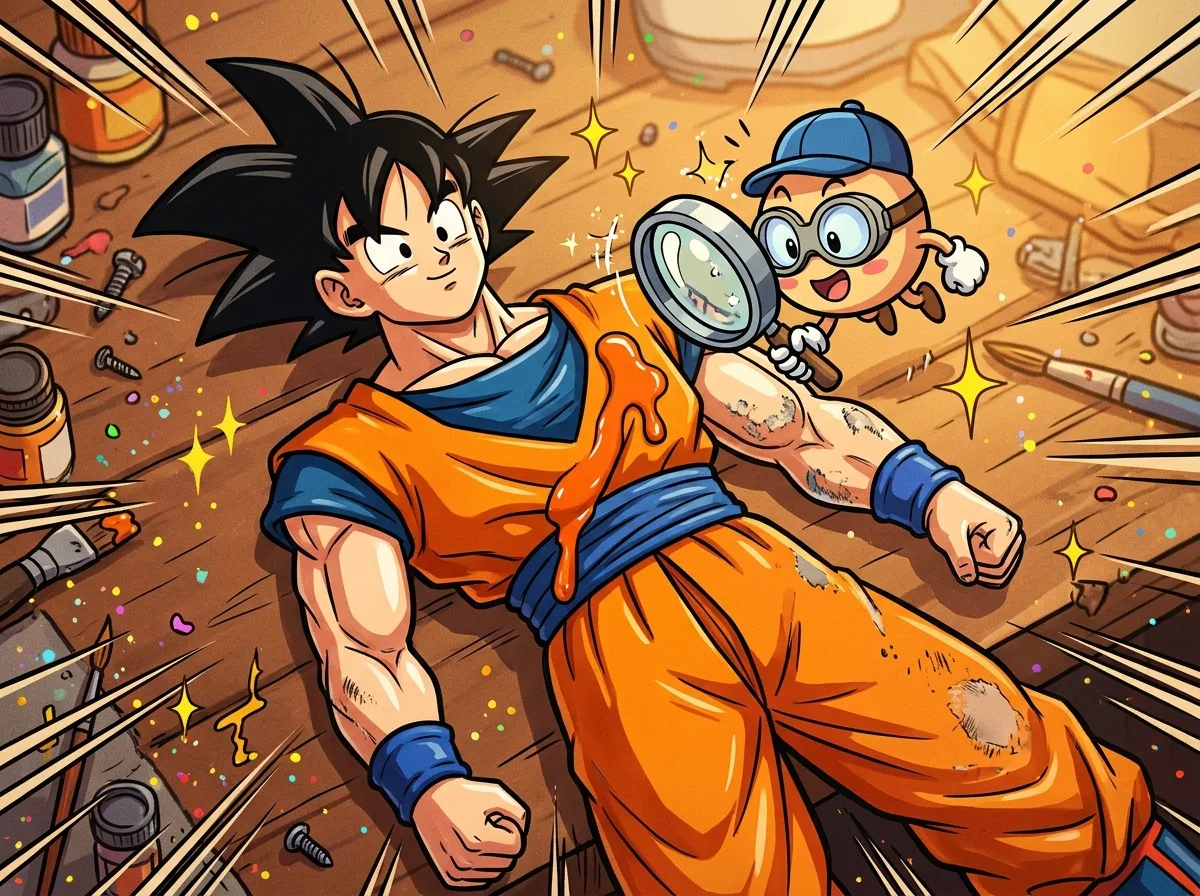
Look for rub marks at contact points, transferred color, and broad changes in surface color or texture. These usually point to handling or aging rather than a factory error. Each sign suggests a likely cause, but none of them shows exactly when the damage happened.
- Rub marks at contact points, such as the fingers, the edges of hair sculpts, and the feet where the figure touches its base.
- Color transferred from another object, such as a smear on the white parts of a figure.
- Broader shifts in surface color or texture that cover a whole limb or the full body, not just one spot.
Rub marks often come from being posed, moved, or handled. Hands, hair edges, and feet are touched most, so wear in those places is common on a figure that has been displayed for years. A scuff that sits exactly where fingers would grip the piece looks more like use than a mistake made on the production line.
The Canadian Conservation Institute warns that unwanted material can move from sticky products, such as old flexible PVC or paint that is less than four weeks old, onto whatever touches them. Softened paint fragments can also stick to another object. A colored smear on a figure may therefore mean it was stored next to something that was still curing or sticky, not that the factory applied the paint wrong.
Broader changes need more care. Plastic can shift color over time because of polymer reactions and the breakdown of dyes and pigments. Plasticizer, the additive that keeps plastic flexible, can also be lost as the material ages, which changes how the surface feels to the touch. When a whole area looks different and also feels different, age is a more likely explanation than a single paint error.
Compare what you see with the figure’s history. A scuff might come from a previous owner, a crowded display shelf, or rubbing inside a shipping box. Looking at the original packaging, if you still have it, and checking whether the marks match the box’s inner shape can help you narrow down the cause.
Can a Paint Defect Be Replaced Under Warranty?
Sometimes, but only when three things line up: the product is eligible, the manufacturer accepts the flaw as a defect, and the request is made on time. Replacement is limited to eligible products, so a figure outside the policy gets no replacement, even if its paint is clearly wrong.
Timing comes first. Requests generally must be made within 90 days of receipt or delivery in the United States and Canada. A collector who notices a wrong-colored belt several months after opening the box may already be past the window. Keep the packaging, shipping label, and receipt so you can show when the figure arrived.
Age matters too. Collectible items that have been on the market for 8 months or longer are excluded, so an older release can fall outside the policy even when the flaw is real. A figure bought from a store shelf last year may not qualify, even if it arrived in perfect condition.
A figure bought from another collector or a resale site has to be judged on its own. That is why the 90-day window matters most for new purchases. If you are considering a used piece with a suspected factory flaw, ask the seller for the original purchase date and whether they still have the box.
Checking a Secondhand Figure’s Paint Step by Step
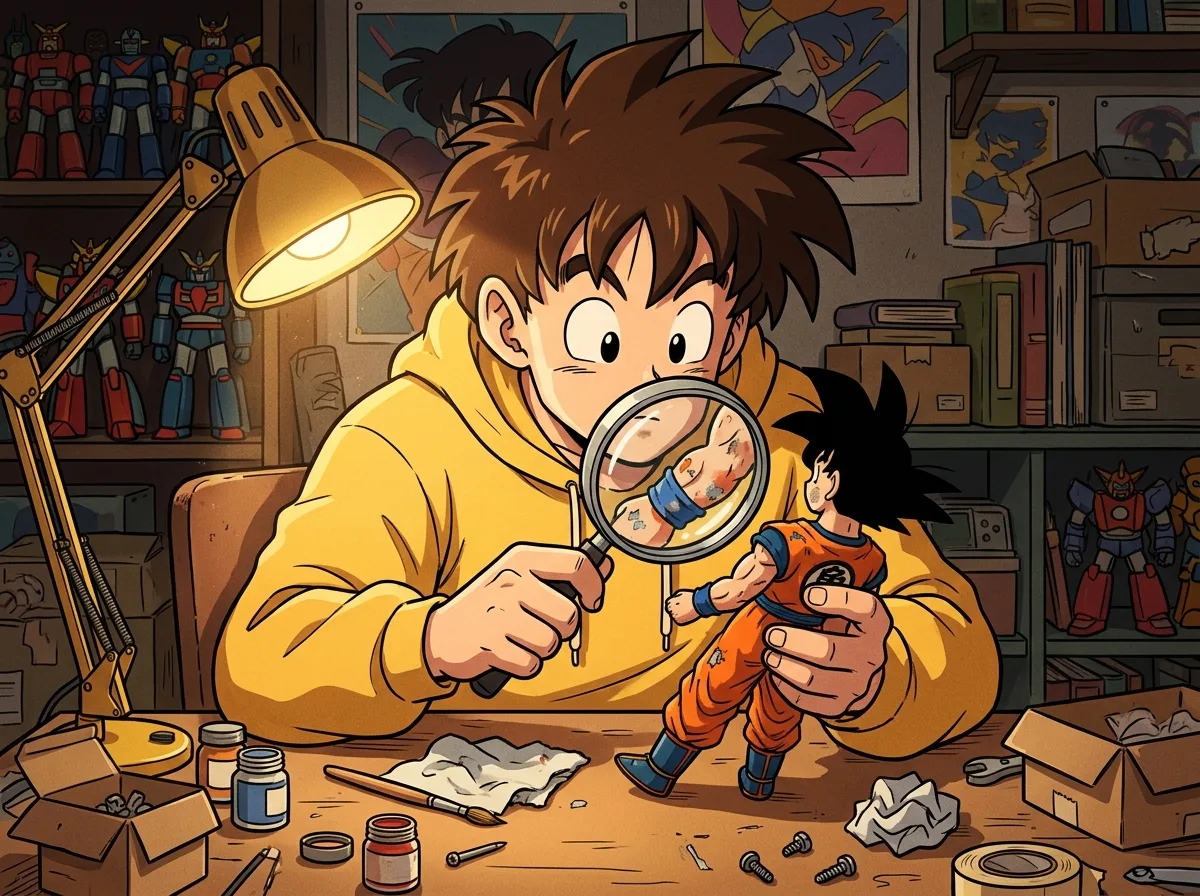
Work through these five checks in order, and write down what you find at each step. Each one narrows down the next.
- Compare the exact product name, sculpt, and release details with the manufacturer’s listing. A figure from the same line can look almost identical to another release, so match the specific version name and release date, not just the character.
- Check the packaging for an authenticity mark. TAMASHII NATIONS says products released from 2018 through 2023 used a hologram sticker, and a special authenticity sticker has been used from 2023 onward, with some exceptions. Note which sticker the box carries and whether it is missing, torn, or does not match the release year.
- Look for paint that seems off for the release. Counterfeit figures may use inconsistent colors and may lack authenticity marks, so compare the color of the hair, gi, and trim against clear photos of a known genuine copy.
- Inspect the contact points first, running your eyes and a fingertip gently over the fingers, hair edges, and feet. If the mark stays in one spot, it points to surface wear. If the color or texture changes across the whole limb or body, check for a difference in the piece itself or a general change in the plastic.
- Photograph each flaw under even, daylight-like light before you decide anything. Take one shot from arm’s length and one close-up with a coin beside the mark, so you can compare the marks with later photos and see whether they change.
Do Paint Safety Rules Apply to Dragon Ball Figures?
Yes, but only for some figures. Whether U.S. paint rules apply depends on how the product is classified, so the first question is whether it counts as a children’s toy or an adult collectible.
For children’s products, lead in paint or surface coatings is limited to 0.009 percent, or 90 parts per million. A coating that can be scraped off and separated from the product is generally treated as a surface coating under that 90 ppm limit. Color that cannot be separated without removing the base material is treated as part of the substrate, which falls under a 100 ppm total-lead limit instead.
Toy paints and coatings also face a separate safety standard. ASTM F963 sets limits for eight elements: antimony, arsenic, barium, cadmium, chromium, lead, mercury, and selenium. For children’s toys made after April 20, 2024, the mandatory toy-safety standard is ASTM F963-23, incorporated through 16 C.F.R. part 1250.
Not every figure falls under those rules. Classification depends on factors such as cost, limited production, detail, fragility, and display use. An expensive, finely detailed statue with delicate parts that is meant to sit on a shelf can fit the adult-collectible category, while a sturdy, inexpensive figure aimed at young children does not.
Toys designed or intended primarily for children 12 years old or younger, by contrast, need third-party testing and a Children’s Product Certificate. If you are buying a figure for a young child, check whether it is marketed as a toy and whether its packaging mentions testing.
How Much Does a Custom Repaint Usually Cost?
Repaint services in the general market often run from about $75 for a send-your-own-figure service to about $125 for a custom repaint of a Dragon Ball Z Grandista Super Saiyan Goku. Three main factors drive the final price, so two quotes for the same character can look very different.
The first is how much of the figure gets repainted. Fixing one hair part costs far less than redoing the gi, skin, and trim across the whole body.
Level of detail matters just as much. A figure with fine lines, layered shading, and small accessories takes more time than a simple, flat-colored piece.
Shipping is the third factor. If the figure must be mailed to the painter, you also pay for packing, insurance, and postage on top of the work itself.
Keep in mind that a repaint changes the figure’s original finish. Collectors who value factory condition usually see that as a permanent change, even when the new paint looks cleaner. Once the original paint is removed, the factory finish cannot be restored. A repainted figure is generally valued as a custom piece rather than as an original release, so decide before you pay for work on a figure you may want to resell later.
Deciding Whether a Flawed Figure Is Worth Keeping
Start with a simple check you can do tonight. Grab a notepad and list every flaw you found, along with its location, the photo that shows it, and whether it sits at a contact point like a finger or foot or covers a larger area. Sort each flaw into one of three groups: likely factory defect, likely wear, or unclear.
If you find a wrong-colored section on a figure you bought new, act quickly. Find the original receipt and the date it arrived, then contact the seller or manufacturer while the 90-day window is still open. Do not wait until you feel completely sure, because the window is short.
If the marks look like wear, the figure is usually worth keeping as it is. Dust it with a soft, dry brush and avoid liquid cleaners on painted areas, since they can lift paint at rub points.
For a large or obvious flaw on a secondhand figure, look up recent sold listings for the same release before you decide what to pay. Then ask yourself whether you would still want the piece with the flaw in place. A repaint is hard to undo, so make that choice only after you have compared your options.
If the figure is meant for a child, read the packaging for testing information before it goes on a shelf the child can reach.
Frequently Asked Questions
1. Does a paint defect lower a Dragon Ball figure’s collectible value?
It can, especially for collectors who want factory-perfect pieces. A wrong color that is easy to see from arm’s length may hurt resale more than a small rub mark. Recent sold listings for the same release and condition give the clearest sense of how much a flaw changes the price.
2. How can I tell a rub mark from a real paint defect on the face?
Start by checking whether the mark is a small scuff in one spot or a section painted in the wrong shade. Rub marks usually look like smudges or worn spots, while a factory error covers a set area in a color that does not match the rest of the design. Compare the face with clear daylight photos of a known good copy before you decide.
3. Can small paint flaws on a Dragon Ball figure be fixed at home with touch-up paint?
Small flaws can be covered with touch-up paint, but the work permanently changes the figure’s original factory finish. Matching the exact shade is hard, and a poor match can look worse than the flaw it was meant to hide. Collectors who value original condition usually treat a touched-up piece as altered, so test any paint on a hidden area first.

