The Dragon Ball series is a franchise of related animated shows and films rather than one continuous story. It grew out of a manga that began serialization in 1984. Toei Animation’s listings show the original Dragon Ball running 153 episodes, each about 30 minutes long, and Dragon Ball Z following with 291 episodes. Those two shows form the classic core, but the franchise has grown well beyond them.
Each later entry has its own setup. Dragon Ball Super runs 131 episodes and begins after the threat of Majin Buu has ended. Dragon Ball GT is a 64-episode series with a different premise, and Dragon Ball DAIMA is a 20-episode series that puts Goku and his friends in a small-sized conspiracy tied to the Demon Realm. The official Dragon Ball chronology records when each series first aired, but it does not set a single watch order, so the choice of where to begin is yours. This guide covers the Dragon Ball, Dragon Ball Z, Dragon Ball GT, and Dragon Ball Super series across both the manga and the animated versions. It explains how each show fits into the bigger picture so you can pick a clear starting point.
Key Takeaways
- Start with the original Dragon Ball if you are new, since it introduces Goku and the rules every later show builds on.
- Viewers who want the main Dragon Ball Z plot without side detours should choose Dragon Ball Z Kai, which trims most filler.
- Dragon Ball films such as Broly can fill gaps between series, since each one works as a standalone experience.
- Dragon Ball Super: Beerus retells the opening of Dragon Ball Super with new cuts, redrawn material, and a restructured story.
- Dragon Ball Super: The Galactic Patrol has no broadcast window yet, because Toei Animation lists its timing as undecided.
How the Dragon Ball Shows Connect as One Franchise
Dragon Ball is best understood as a family of related animated series and films, not one show with a single title. It started as a manga, which began serialization in 1984. The anime followed in 1986, and that show became the first link in a chain that runs through the rest of the franchise.
The main line moves forward in a straight path. Dragon Ball leads into Dragon Ball Z, which began broadcasting in 1989 and follows Goku and his friends through a series of ever-larger battles. Dragon Ball Super then picks up once Majin Buu has been defeated and carries the characters into new threats.
Dragon Ball Z Kai is a different kind of entry. It retells the Z-era story in a tighter form, with 98 episodes beginning in 2009. Its follow-up, Dragon Ball Z Kai: The Final Chapters, adds 69 more episodes starting in 2014. Kai does not replace Z in the timeline. It gives you a second way to experience the same events.
Dragon Ball GT, which began in 1996, sits outside the main line with its own premise. Dragon Ball DAIMA, which began in 2024, also stands apart with a story of its own.
The official chronology lists the release year for each series, but it does not set an order for watching them. That leaves the choice of where to start up to you.
Where a First-Time Viewer Should Begin
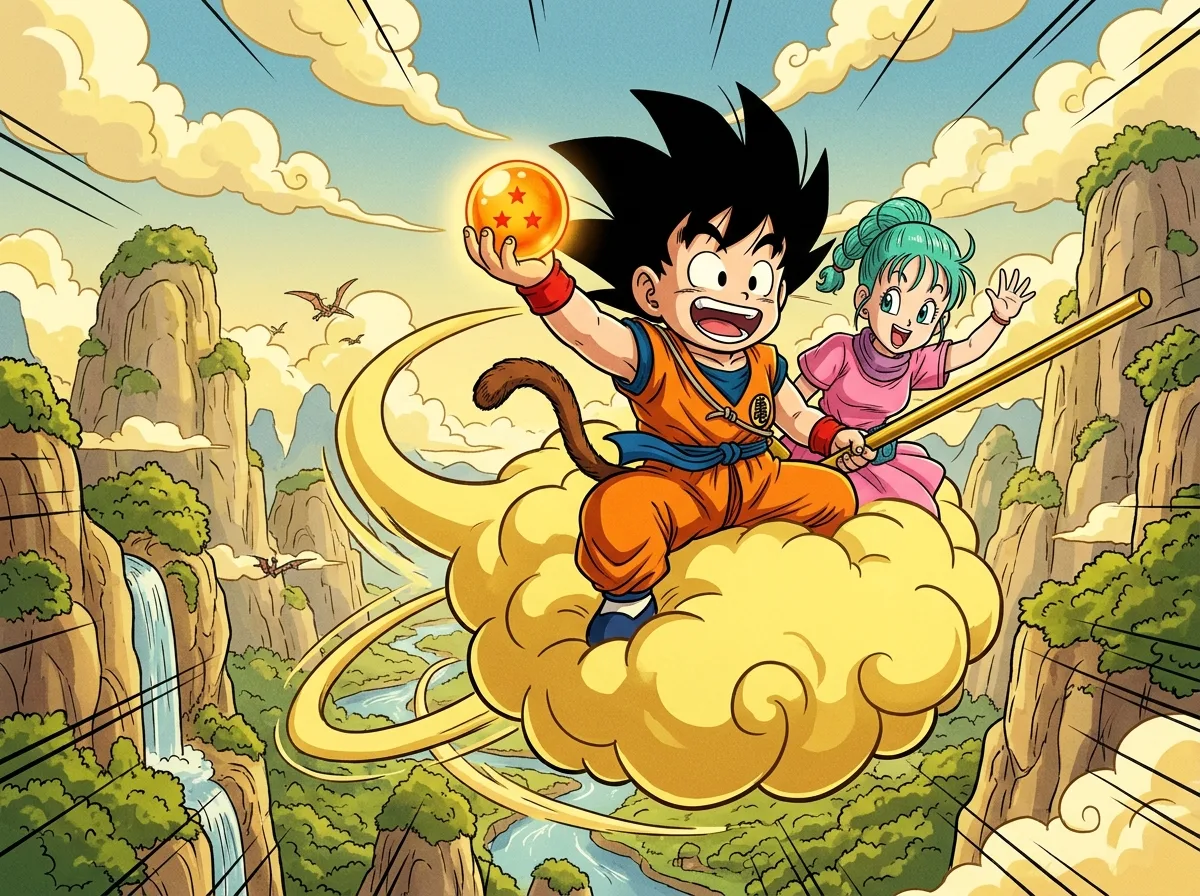
The simplest path through the whole story starts with the original Dragon Ball. It introduces Goku, the friends he meets along the way, and the rules of the world that every later show builds on. Starting here means you will never have to guess who a character is or why a fight matters.
Once that first show is done, move straight into Dragon Ball Z. It picks up the same story with bigger battles and a growing cast, so the jump feels natural.
At that point, you have a choice between the original Z and Dragon Ball Z Kai. Kai covers the same Z-era events but trims much of the extra material, so it moves at a faster pace. If you enjoy slow-building arcs and side adventures, the original Z is the better fit. If you want the main plot without the detours, Kai gets you there sooner.
Dragon Ball Super is best saved for after the Z-era story feels familiar. It begins once Majin Buu has been defeated, so it assumes you already know the characters and the threats they have faced.
Dragon Ball GT and Dragon Ball DAIMA each have their own premise. You can watch them later, once you are comfortable with the core characters. Super Dragon Ball Heroes is a separate short-form series, and you do not need it to follow the main story, so it can wait until you are ready for extra side content.
Dragon Ball: The Starting Point of the Story
The original Dragon Ball adapts the manga story from the moment Goku meets Bulma. Young Goku searches the world for the seven Dragon Balls, and when all seven are gathered, they summon a dragon that grants one wish. Along the way, Goku and his friends face a string of rivals and strange places, and the quest gives each episode its sense of forward motion.
Two major storylines shape the middle of the series. The Red Ribbon Army hunts the Dragon Balls for its own ends, which pushes Goku into serious danger. The Tenkaichi tournament then puts his martial arts skills against stronger fighters, and each match shows how much he has improved. The story grows from small village adventures into larger battles, and Goku’s growth as a martial artist ties it together.
The series ends with the 23rd World Martial Arts Tournament. Dragon Ball Z continues directly from this point, with Goku facing new threats that are much bigger than the ones he faced before. The original series aired in Japan from February 26, 1986, to April 19, 1989, and it has finished airing.
At a glance
- Best for: Viewers who want to see where Goku’s story begins
- Episode Count: 153 episodes, each about 30 minutes long
- Air Dates: February 26, 1986 to April 19, 1989
- Current Status: Finished airing
Dragon Ball Z: The Series That Made the Franchise Famous
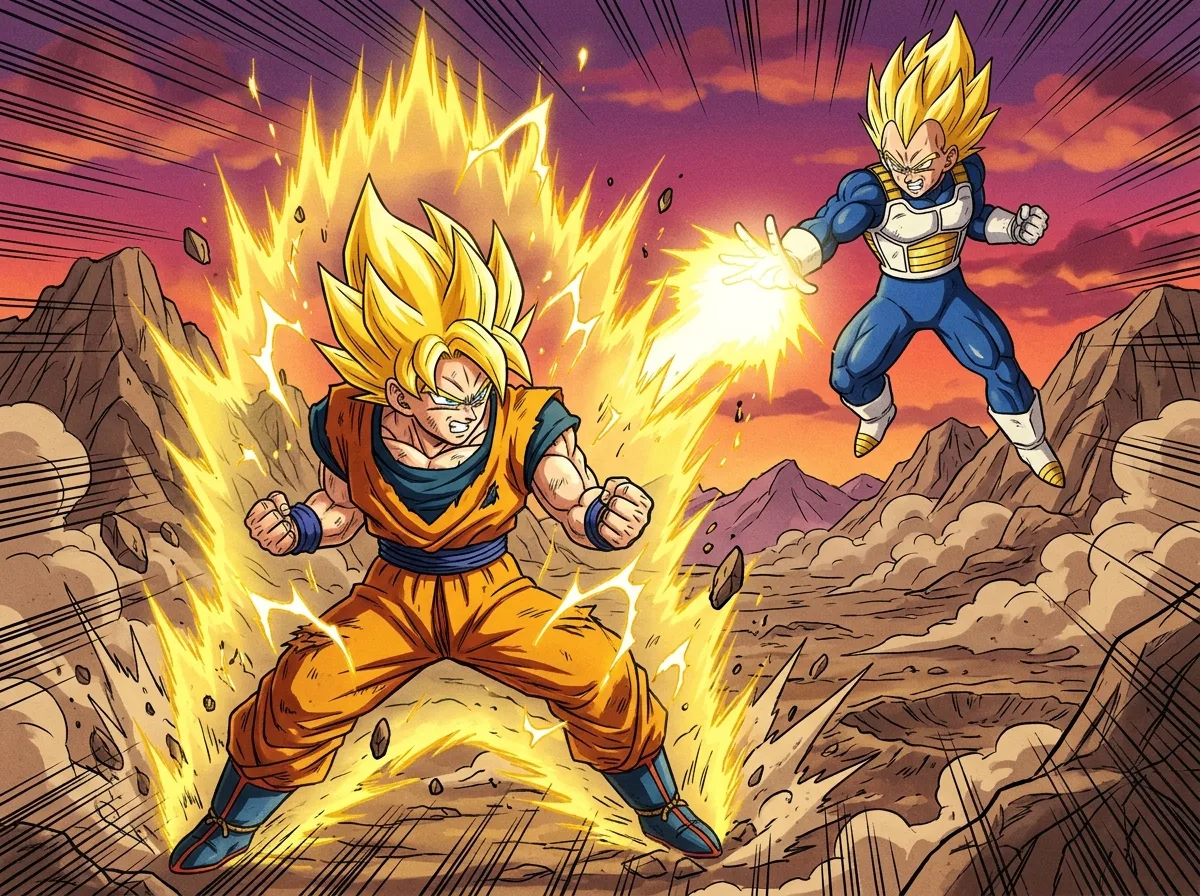
Dragon Ball Z continues the story of the original series rather than starting a new one. Goku is still at the center, but new enemies threaten Earth, and his son Gohan joins the fighting. Toei Animation describes Z as the second Dragon Ball series, and it carries the characters into a larger, more dangerous era.
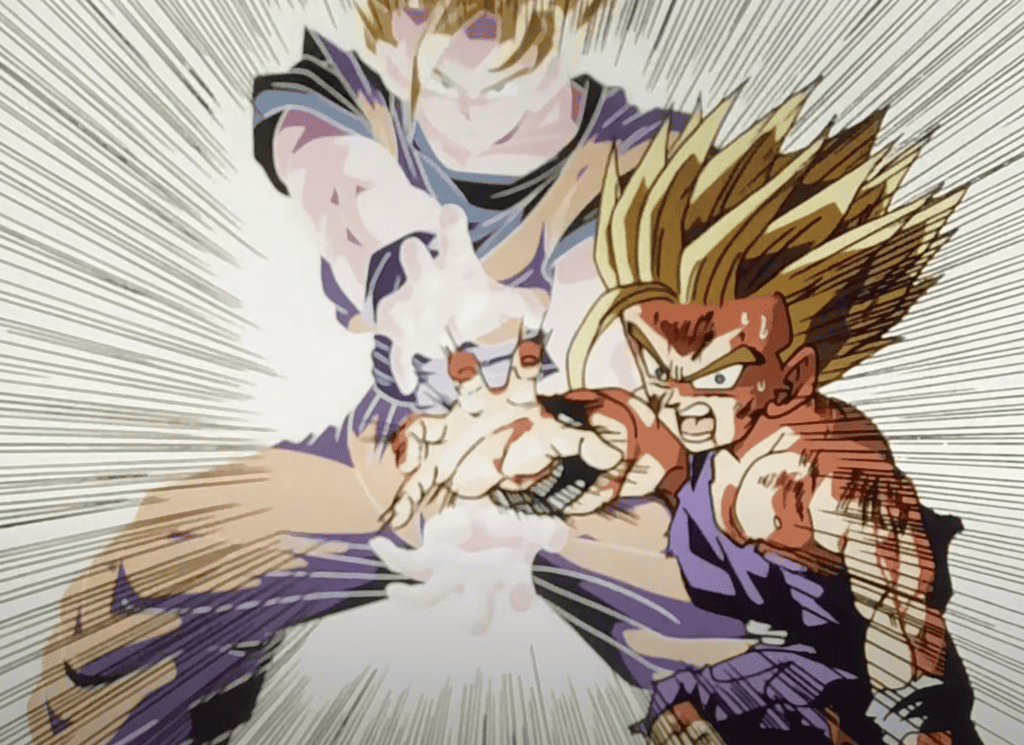
The show adapts several major sagas, beginning with the Saiyan arc, where Goku learns that he comes from a warrior race and his brother Raditz arrives on Earth. The story then moves through the Frieza, Cell, and Majin Buu sagas, with each one raising the power levels and the stakes. The Super Saiyan transformation, in which Goku’s hair turns gold and his aura blazes, became the defining image of the whole franchise.
Z ran for 291 episodes, each about 30 minutes long, and aired from April 1989 through January 1996. The original TV run is complete. Many fans credit the series with making Dragon Ball popular around the world, since its long battles, bold transformations, and memorable rivals drew viewers far beyond Japan.
At a glance
- Best for: Viewers who want the full Goku and Gohan battle saga
- Episode Count: 291 episodes, about 30 minutes each
- Air Dates: April 1989 through January 1996
- Current Status: Original TV run complete
- Story Era: Follows the original Dragon Ball, covering the Saiyan, Frieza, Cell, and Majin Buu sagas
Dragon Ball Z Kai: A Faster, Tighter Remaster
Dragon Ball Z Kai is a remastered, streamlined re-edit of Dragon Ball Z, not a new story. It presents the Z-era events in high definition and removes most anime-only filler, so it follows the manga more closely and moves at a faster pace. DVD Talk’s review describes Kai as a remaster that trims filler to bring the story closer to the original manga.
The series covers Goku’s journey from his Saiyan origins through the fight against Majin Buu. Kai is split into two parts, Dragon Ball Z Kai and The Final Chapters, for 167 episodes in total, with each episode running 26 minutes. The first part aired from April 2009 to March 2011, and the Majin Buu portion ran from April 2014 to June 2015. You can find more on the official Kai site.
Kai is not a sequel, and it does not replace Dragon Ball Super, which takes place after the Majin Buu conflict. Think of it as a second way to experience the Z story. Fans who enjoy the original pacing and side adventures can stick with Dragon Ball Z, while those who want the main plot can watch Kai instead or use it as a comparison.
At a glance
- Best for: Viewers who want the main Z storyline with less side material
- Episode Count: 167 episodes across Dragon Ball Z Kai and The Final Chapters
- Air Dates: April 2009 to June 2015
- Current Status: Finished, with its broadcast run concluded in 2015
- Story Era: Goku’s Saiyan origins through the fight against Majin Buu
Dragon Ball Kai: The Final Chapters: Majin Buu Story
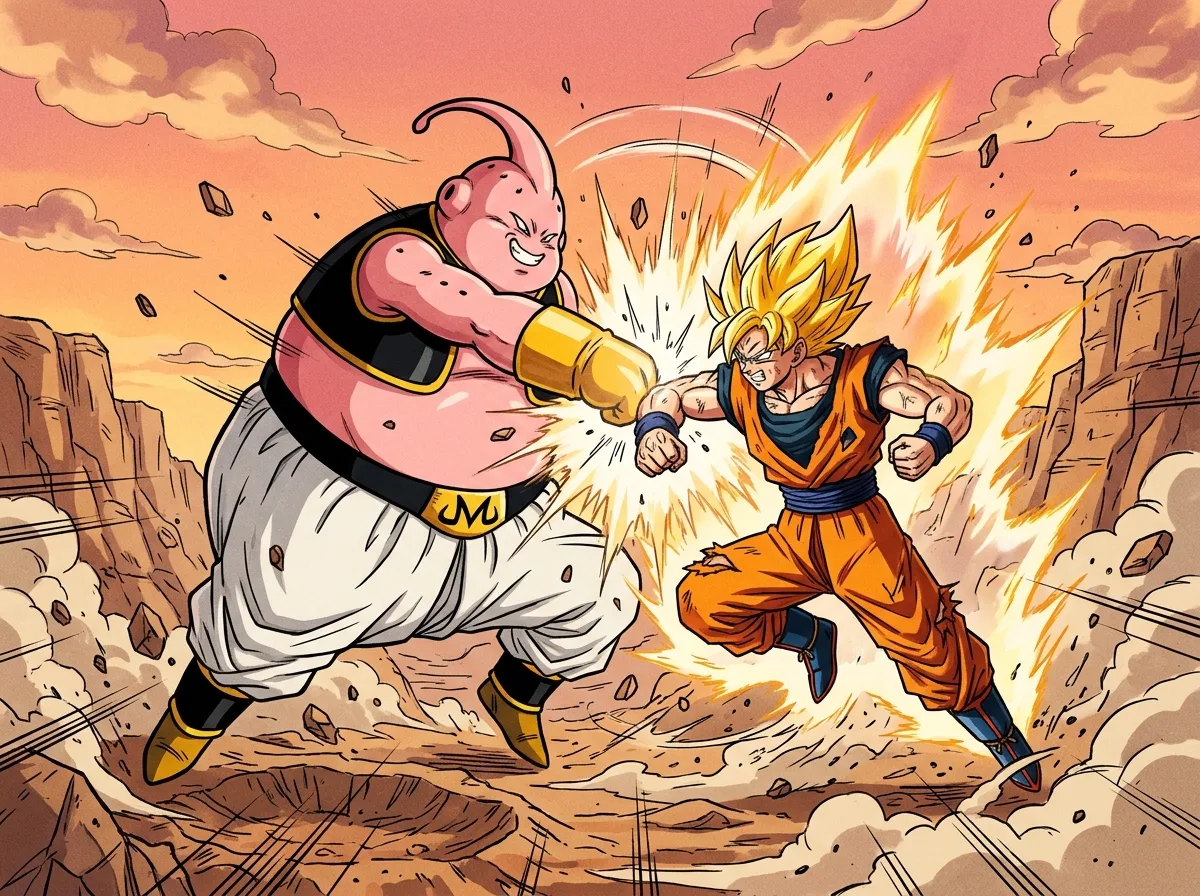
Dragon Ball Kai: The Final Chapters is the international title for the Majin Buu portion of Dragon Ball Kai, the tighter retelling of the Z-era story. In Japan, the same run is known as Dragon Ball Kai’s Majin Buu arc. The series begins seven years after Cell’s defeat, while Gohan is attending high school. Gohan and the other Z Fighters must face a plot to revive Majin Buu.
The Final Chapters does not start a new story. It continues Kai’s version of Dragon Ball Z and brings that Z-era story to its conclusion. Because the Majin Buu storyline closes out the Z chapter, it leads directly into Dragon Ball Super, whose story begins once Majin Buu’s threat has passed.
The international version runs 69 episodes, while the Japanese version has 61. The Japanese broadcast started on April 6, 2014, and ended on June 28, 2015 [Dragon Ball Kai: The Final Chapters episode 159]. The series has finished airing, so no new episodes are still to come.
At a glance
- Best for: Fans who want to follow Gohan and the Z Fighters through the Majin Buu story before moving on to Dragon Ball Super
- Episode Count: 69 episodes (international version), 61 episodes (Japanese version)
- Air Dates: April 6, 2014 to June 28, 2015 (Japan)
- Current Status: Finished airing
- Story Era: Seven years after Cell’s defeat, closing the Z-era story
Dragon Ball Super: The Sequel After Majin Buu
Dragon Ball Super is the sequel to Dragon Ball Z. It picks up after Goku defeats Majin Buu and peace returns to Earth. Its opening story revisits material from two Dragon Ball Z films, Battle of Gods and Resurrection ‘F’, before new threats appear, including Beerus and Frieza. From there, the story expands into conflicts involving other universes, which gives the cast a much bigger map than Z ever covered.
Super continues the main story rather than starting a new one. Its original run is complete, and it is the newest main-story series in the original line. Fans who have finished Z will recognize the characters, the fighting style, and the steady climb in power levels.
Toei Animation lists the series at 131 episodes, which aired from July 5, 2015, to March 25, 2018. The official Super page lists the same run and is the best place to check current details about the series.
At a glance
- Best for: Viewers who want to follow Goku and his friends into new threats after the Majin Buu saga
- Episode Count: 131 episodes
- Air Dates: July 5, 2015 to March 25, 2018
- Current Status: Original run complete
- Story Era: Begins after Majin Buu is defeated, opening with material from Battle of Gods and Resurrection ‘F’
Dragon Ball Super: Beerus: The Enhanced Edition
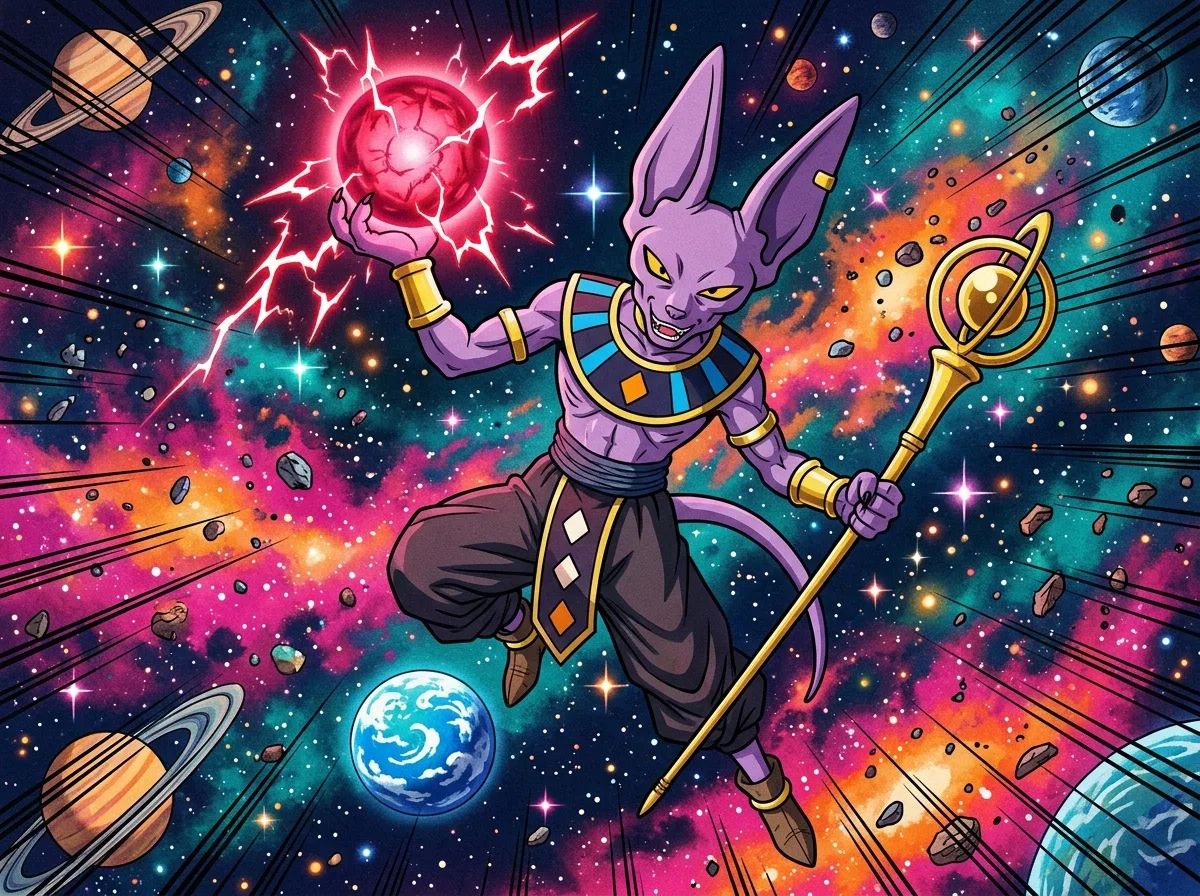
Dragon Ball Super: Beerus is an enhanced edition of Dragon Ball Super, not a brand-new sequel. It returns to the opening of Super and retells those early events with new cuts, redrawn material, and a restructured story. The series starts with the arrival of Beerus, the God of Destruction, who awakens and seeks out Goku. After that encounter, it moves into the Resurrection ‘F’ storyline.
Because it revisits the start of Super, the series works as a reworked version of the early story. Viewers who already know Super will notice updated visuals and battle scenes, while newcomers get the same opening in a fresher form. The Japanese premiere took place on October 11, 2026, at 11:15 p.m. JST.
English, Spanish, and Portuguese dubs stream on Crunchyroll from November 12, 2026, in the United States, Canada, Australia, New Zealand, and Latin America, with new dubbed episodes released weekly. TVmaze’s episode guide lists 19 episodes, with episode 19 scheduled for February 14, 2027 [Dragon Ball Super: Beerus episode 19]. As of November 28, 2026, the series is still airing, and episode 8 was scheduled for November 29 [Dragon Ball Super: Beerus episode 8]. For current details, see the official Dragon Ball Super: Beerus site.
At a glance
- Best for: Fans who want a refreshed look at the early Dragon Ball Super story and its Beerus conflict
- Episode Count: 19 episodes listed so far
- Air Dates: Premiered in Japan on October 11, 2026
- Current Status: Airing as of November 28, 2026
Dragon Ball Super: The Galactic Patrol: Upcoming Series
Dragon Ball Super: The Galactic Patrol is an announced anime follow-up to Dragon Ball Super. It is set after the Universe Survival Arc, the storyline that closes out Super. In the new series, Goku and Vegeta join the Galactic Patrol, the galaxy’s peacekeepers, to fight Moro, a Planet-Eater that devours worlds. The story adapts the manga’s Galactic Patrol Prisoner Arc, and the official announcement confirms that the series is set for production as a new anime.
It does not start a separate story. Instead, it continues the Super storyline directly, so the characters and threats you meet in Super carry straight into this new chapter. Super aired from 2015 to 2018, so fans who finished it will pick up right where that run ended.
The series has not aired yet. A financial-results document from Toei Animation lists the project under “Undecided Timing,” so no broadcast window has been set. Neither the official announcement nor the later listing gives an episode count or a premiere date.
At a glance
- Best for: Fans who finished Dragon Ball Super and want to see Goku and Vegeta face Moro with the Galactic Patrol
- Episode Count: Not yet announced
- Story Era: Set after the Universe Survival Arc, adapting the manga’s Galactic Patrol Prisoner Arc
- Current Status: In development, not yet aired, with timing listed as undecided
Dragon Ball GT: The Series Fans Are Reappraising
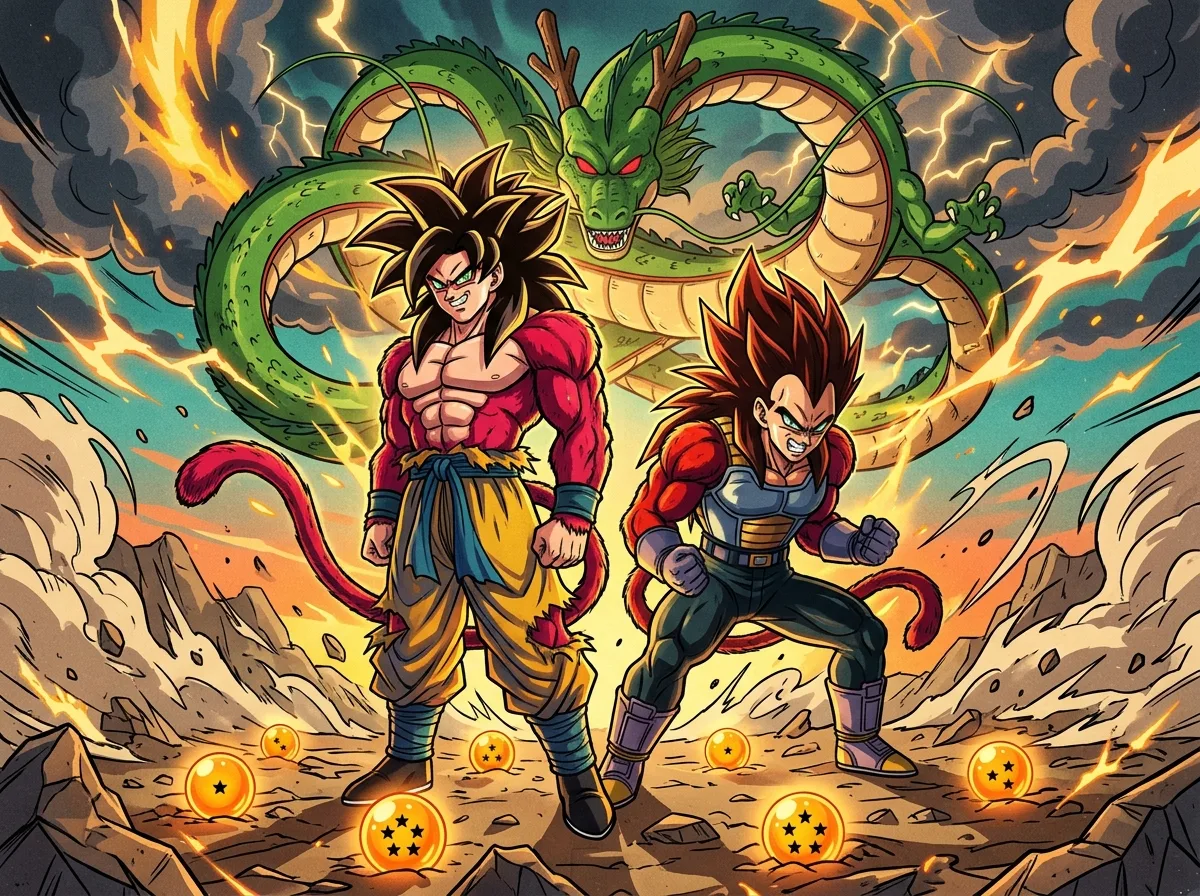
Dragon Ball GT takes a different path from the Z series. After another set of Dragon Balls turns Goku back into a child, he has to find the Dragon Balls scattered across the universe within a year, or Earth will disappear. Pan, Goku’s granddaughter, and the Black Star Dragon Balls are central to the quest, which sends the cast flying from planet to planet.
GT is an anime-original story. Toei describes it as a new story made after Dragon Ball Z ended, rather than an adaptation of a particular manga saga. It continues from Z’s ending but charts its own course, so it does not retell any battles from the manga. Because of that, many viewers treat it as a separate chapter that sits beside the main line.
For years, GT was one of the least popular entries in the franchise. Many fans criticized its tone and its different look, and it rarely came up in discussions of the best Dragon Ball shows. In recent years, though, a growing number of fans have been revisiting it and judging its space adventures and new characters on their own terms. The series has 64 episodes, each about 30 minutes long, and aired from February 7, 1996, to November 19, 1997, on the official GT page. It is complete.
At a glance
- Best for: Fans who want a space-spanning quest with Goku as a child and Pan at the center
- Episode Count: 64 episodes in the main TV series
- Air Dates: February 7, 1996 to November 19, 1997
- Current Status: Complete
- Story Era: Anime-original story set after Dragon Ball Z
Dragon Ball DAIMA: The Small Goku Adventure
Dragon Ball DAIMA is an original TV anime, not an adaptation of an existing manga saga. Goku and his friends are shrunk by a conspiracy, and they investigate the Demon Realm with the help of a young Majin named Glorio, as the official Dragon Ball DAIMA site explains. Akira Toriyama worked on the original concept, story, and character designs, so the series has his fingerprints on its core ideas.
The show is still tied to the older story. Executive producer Akio Iyoku described DAIMA as a continuation directly connected to the Majin Buu Saga, even though the series tells its own original tale. That means it adds new worldbuilding around the Demon Realm while picking up a thread left over from Dragon Ball Z. Viewers who have finished Z will recognize the connection, but they do not need to watch any other show to enjoy the mystery.
DAIMA was set to premiere in Japan on Fuji TV at 11:40 p.m. on Friday, October 11, 2024. The series runs 20 episodes, and all of them aired between October 2024 and February 2025. Episode 20 aired on February 28, 2025 [Dragon Ball DAIMA episode 20], and the series has concluded, so the full run is available to watch from start to finish.
At a glance
- Best for: Viewers who want a new Demon Realm mystery with Goku and his friends at a small size
- Episode Count: 20 episodes
- Air Dates: October 11, 2024 to February 28, 2025 (Japan)
- Current Status: Complete
- Story Era: Original story connected to the Majin Buu Saga
Super Dragon Ball Heroes: The Short-Form Spin-Off
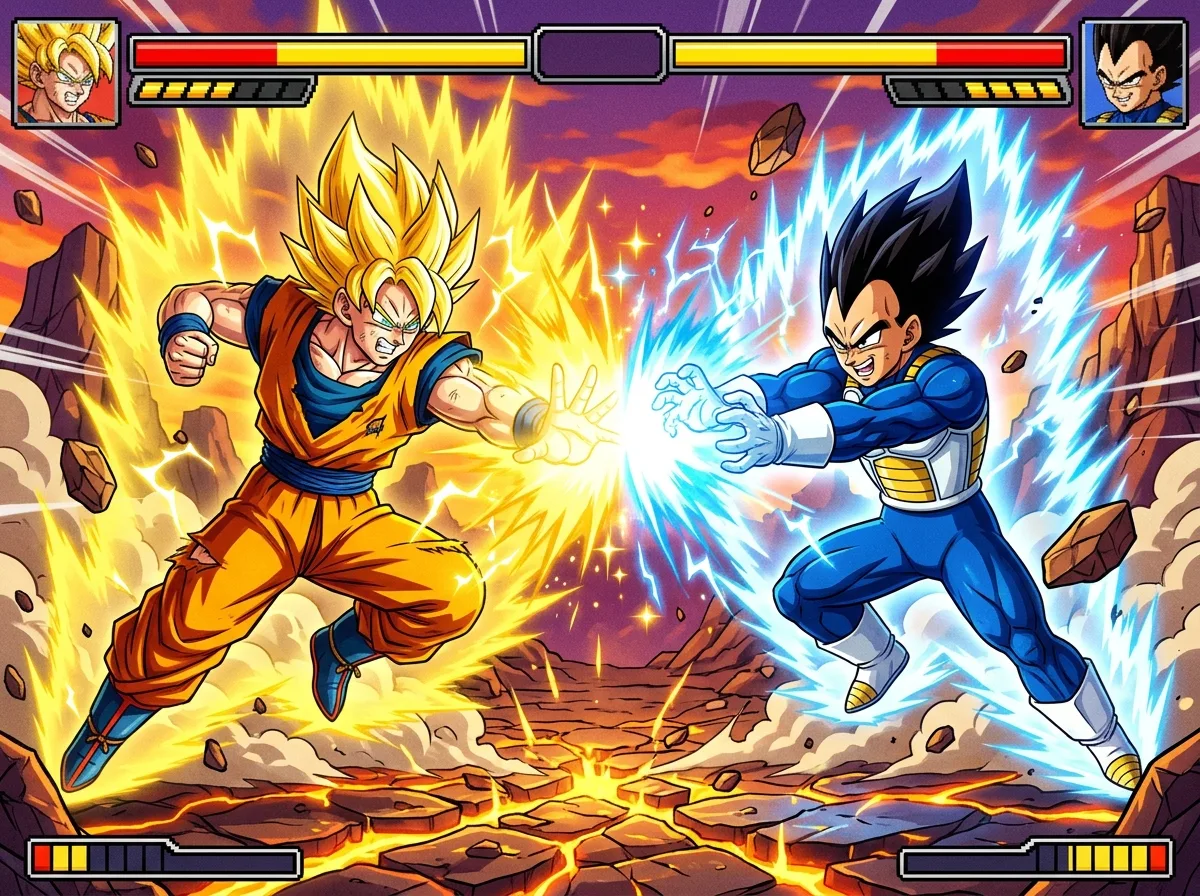
Super Dragon Ball Heroes is a short-form promotional anime made to go with the Dragon Ball Heroes game. Bandai describes it as an original story spun off from the game series, produced by Toei Animation under Shueisha’s supervision. It opens with the Prison Planet arc, which comes from the game’s Universe Mission story. Future Trunks is trapped on a mysterious planet, and Trunks, Goku, and Vegeta search for the Dragon Balls to rescue him.
The series is not a continuation of Dragon Ball Super’s TV story. It tells separate adventures drawn from the game. Each episode runs about nine minutes. Bandai’s announcement said they would come out at irregular intervals, so the schedule was never a fixed weekly run.
The promotional anime has 56 episodes, released from July 1, 2018, through August 8, 2024. The final episode arrived on August 8, 2024 [Super Dragon Ball Heroes episode 56], so the series is finished. For current details, see the official Heroes site.
At a glance
- Best for: Fans who want game-derived side adventures with Trunks, Goku, and Vegeta
- Episode Count: 56 episodes, each about nine minutes long
- Air Dates: July 1, 2018 to August 8, 2024
- Current Status: Finished, with the final episode released on August 8, 2024
- Story Era: Begins with the Prison Planet arc from the game’s Universe Mission story
Movies, Fan Animations, and the Wider Dragon Ball World
The Dragon Ball films sit alongside the TV shows as separate releases. Several of them connect to events in Z and Super, so they can add context to a story you are already following. Broly, for example, is a film that many fans place during the Frieza era of Z.
Many fans watch the films between series to fill gaps in the story. A film can be a good stop after Z and before Super, or a way to revisit a favorite fight before starting the next show. Each one works as a standalone experience, so you can pick them up whenever the mood strikes.
Fan-made animations and tributes are a big part of the community’s creative life. Fans make short animated scenes, music videos set to clips from the anime, and tribute art that reimagines classic battles. Some of this work is simple, and some is surprisingly polished, which shows how much love the characters still inspire.
The franchise also keeps growing. New entries such as Dragon Ball Super: Beerus and the announced Galactic Patrol series add to the timeline, so the story is not finished. Because more releases are on the way, your watch order will likely need a new spot now and then.
Choosing Where Your Dragon Ball Watch Begins
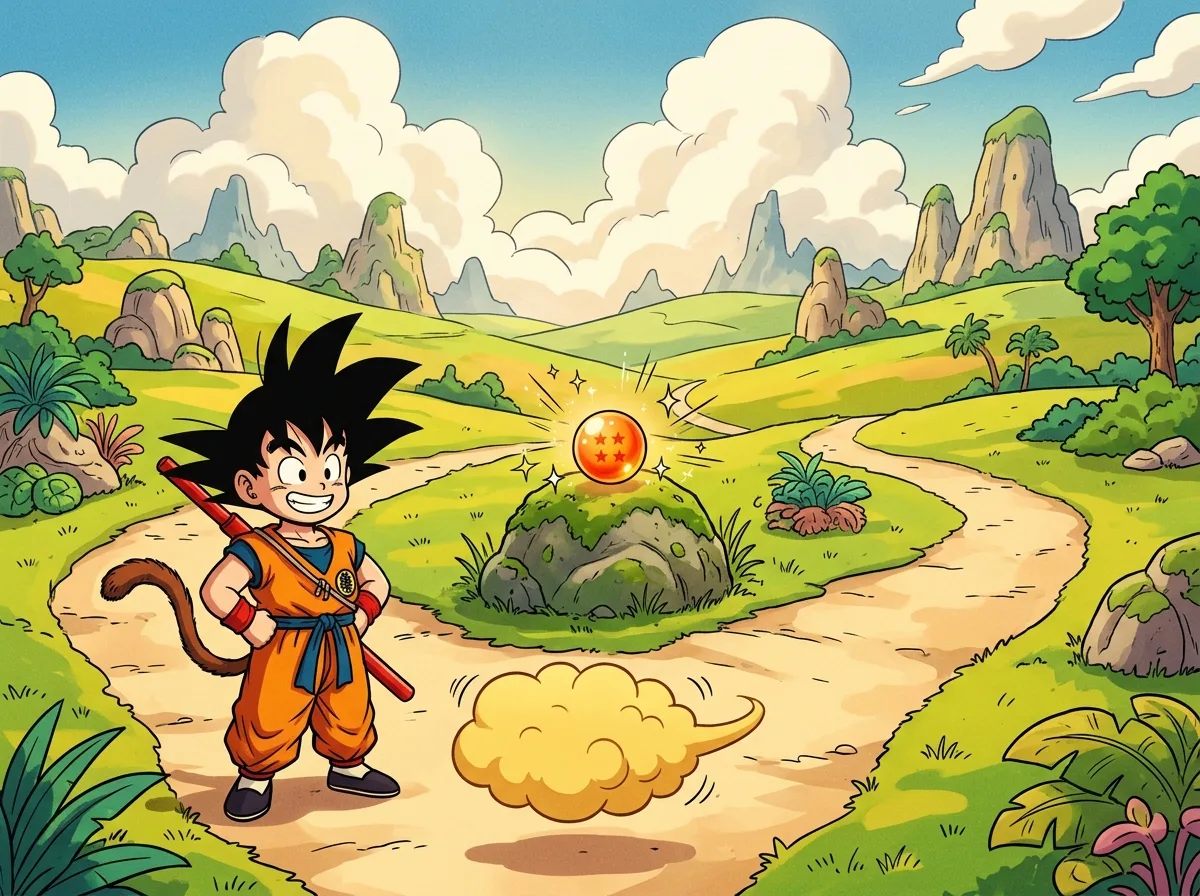
Start with the original Dragon Ball if you want the full story from the very first episode. You will meet Goku as a boy on his search for the Dragon Balls, and every later show makes more sense once you have seen where his journey began.
If your time is limited or you prefer a quicker pace, choose Dragon Ball Z Kai. It covers the same Z-era events with less side material, so you reach the Majin Buu fight sooner.
When the Z-era story feels familiar, Dragon Ball Super is the natural next chapter. It assumes you already know the cast, so you can jump straight into its new threats without catching up first.
Longtime fans returning to the franchise can revisit the earlier shows instead. Rewatching the original Dragon Ball often reveals jokes and quiet character moments that a younger viewer would have missed.
Picking Your Path Through the Series
Your next step depends on how much you already know, so start with the option that fits you. Then press play on episode one tonight instead of waiting for the perfect moment.
If you are brand new, open the original Dragon Ball and watch through the Red Ribbon Army storyline. That is a good checkpoint. If you still want more after it, keep going.
If you have already seen Z and want the same events at a faster pace, queue up Dragon Ball Z Kai. Compare its first few episodes with what you remember, and jot down any scenes that feel different or missing. Those notes will be useful on a later rewatch.
Longtime fans coming back should also begin with the original Dragon Ball, but keep a notebook nearby. Write down the jokes and quiet character moments you missed as a kid. Move on to Dragon Ball Super once the early story feels familiar again.
Finally, keep a simple list of the shows you have finished. The franchise keeps adding entries, such as Dragon Ball Super: Beerus and the announced Galactic Patrol series, so a running list makes it easy to find your place when new episodes arrive.
Frequently Asked Questions
1. Do I need to read the manga before watching the Dragon Ball anime?
No, you can enjoy the anime without reading the manga, since the shows tell the full story on their own. Dragon Ball Z Kai is the closest animated match to the manga, so it is a good pick if you want the anime to stay close to the original source. Reading the manga is optional and mainly adds extra detail for fans who want more.
2. Which Dragon Ball series is most suitable for young children?
The original Dragon Ball is usually the easiest starting point for younger viewers. Its early episodes center on a young Goku exploring the world, with lighter adventures before the battles grow larger. Dragon Ball Z and Dragon Ball Super feature more intense fights and bigger threats, so parents may want to preview those series before letting kids watch them.
3. What is the Tournament of Power in Dragon Ball?
The Tournament of Power is the English name for the Universe Survival Arc, the storyline that closes out Dragon Ball Super. In it, the fighters of Universe 7 take on the fighters of Universe 6 in a tournament where the losing side is erased. Fans who want to see this battle should watch Dragon Ball Super after finishing the Z-era story.
4. How long would it take to watch the original Dragon Ball, Dragon Ball Z, and Dragon Ball GT back to back?
Those three series add up to 508 episodes, with the original Dragon Ball at 153, Dragon Ball Z at 291, and Dragon Ball GT at 64. Counting episodes gives the clearest picture, since listed run times vary by series, from about 26 to about 30 minutes. Adding Dragon Ball Super, Dragon Ball Z Kai, or Dragon Ball DAIMA would bring the total higher.