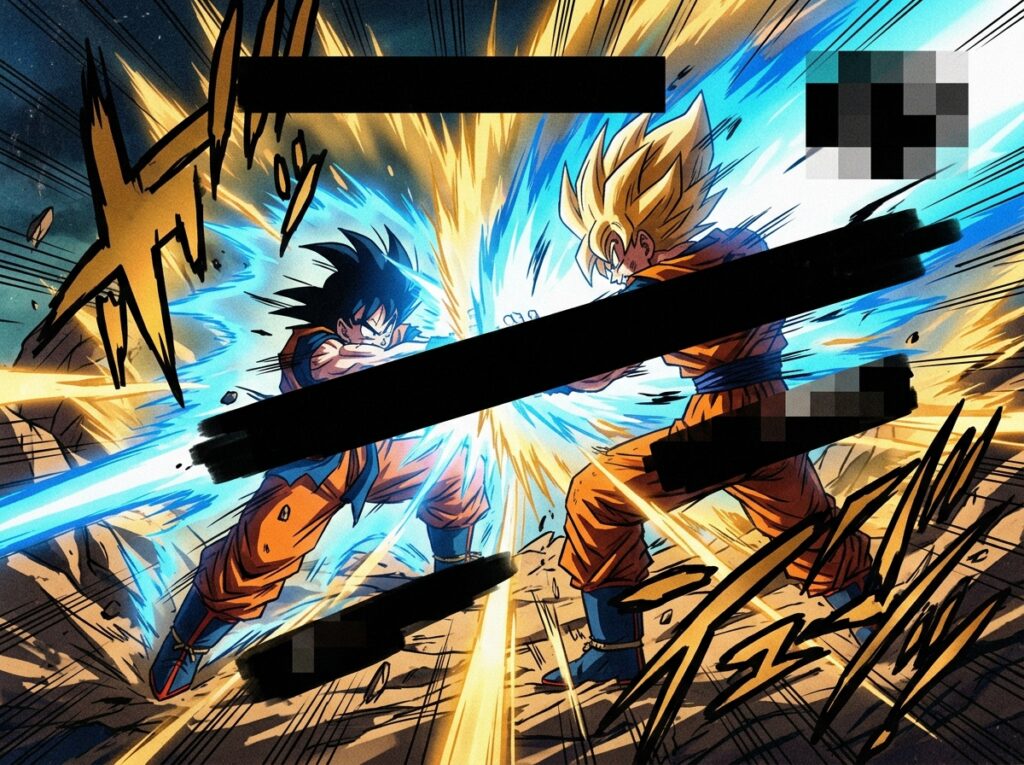
“Dragon Ball censorship explained” is more complicated than a list of deleted scenes. I’ve found that changes vary by country, broadcaster, age rating, and release format. They can include edited dialogue, altered visuals, and missing violence, nudity, or references to death. As a result, two fans can remember the same episode very differently.
The biggest wave of edits affected the early U.S. broadcast of Dragon Ball Z. Later television, home-video, and streaming releases restored some, but not always all, of the original material. I’ll separate confirmed cuts from dub changes and explain why different versions of Dragon Ball, Dragon Ball Z, Dragon Ball Kai, and Dragon Ball Super can feel so different.
Key Takeaways
- Dragon Ball censorship is release-specific, varying by country, broadcaster, age rating, platform, audio track, subtitles, credits, and format rather than existing as one definitive edited version.
- The early 1996 U.S. syndicated broadcast of Dragon Ball Z made the most extensive changes, compressing 67 Japanese episodes into 53 and removing or softening violence, blood, nudity, death references, religious language, and darker dialogue.
- Later cable, DVD, Blu-ray, and streaming releases often restored cut footage, but they may retain altered dub lines, subtitles, or regional edits, so “uncut” does not always mean fully faithful to the Japanese original.
- To identify censorship accurately, compare the exact country, release format, episode length, video master, audio, subtitles, credits, and scene transitions while separating content edits from ordinary localization or production differences.
Introduction To Dragon Ball Censorship
I see Dragon Ball censorship as a collection of changes made for television, home video, streaming, and different countries, not as one single edited release. These changes can include broadcast edits, altered dialogue, content cuts, rewritten jokes, and decisions based on age ratings. Some versions soften violence, remove nudity, change references to death, or adjust language to meet local standards. Because each release may use a different set of edits, the phrase “censored Dragon Ball” can describe several versions.
The version you watch also affects what you see and hear. An original Japanese broadcast may contain a scene or line that was changed in an international dub, while a later DVD, Blu-ray, or streaming release may restore some material. Even restored releases can differ because platforms may use separate video masters, subtitles, or broadcast-approved edits. This is why two fans can compare the same episode and remember different dialogue, scene lengths, or visual details.
When I compare releases, I look at more than whether a scene is present. I also check the audio track, subtitles, video source, age rating, and country of release, since each factor can influence the final presentation. A missing moment may be a television cut, a changed dub line may be localization rather than a visual edit, and a darker scene may come from a different master. Understanding these categories makes it easier to explain why Dragon Ball censorship varies across broadcasts and home releases.
The 1996 Dragon Ball Z Broadcast Edits

The 1996 U.S. syndicated broadcast became the best-known example of Dragon Ball censorship because it changed both the content and structure of Dragon Ball Z. I explain it as the result of work by a U.S. distributor, a broadcast production partner, and an English-language recording studio, rather than the work of one group alone. To fit the first 67 Japanese episodes into 53 English-language broadcast episodes, scenes were shortened, combined, or removed entirely. This made the early dub feel faster and sometimes changed how viewers understood the story. It also means that fans comparing versions may be looking at different episode counts, cuts, and dialogue tracks.
The edits covered more than fighting violence. Blood, serious injuries, corpses, death references, nudity, profanity, religious language, and darker story details were often reduced or rewritten for syndicated television. Characters who died might be described as going to another place, while references to hell and other religious ideas could receive new wording. Dialogue was also changed to soften threats, clarify confusing scenes, or make the show more suitable for younger viewers. In some cases, the new lines altered the tone or meaning even when the animation remained on screen.
I also separate this broadcast version from later home-video and international releases because they do not all use the same master. DVD, Blu-ray, cable, and streaming editions generally restored material that the early broadcast removed, although some dialogue changes, replacement audio, or regional edits may remain. That is why one fan may remember an uncensored scene while another remembers a shortened version or a different line. The phrase “Dragon Ball censorship” describes a group of edits across releases, with the 1996 syndicated run standing out because it combined major content changes with a significant compression of the original story.
Dialogue And Content Changes
Dialogue censorship can change a scene even when the animation stays exactly the same. I often see this in revised explanations of death, where a character may say that someone has “passed on” or gone to another world instead of directly referring to dying. References to hell may also be replaced with a neutral afterlife, such as the well-known “HFIL” wording in some English broadcasts. These choices can make the story feel less dark, but they may also soften its ideas about consequences, grief, and the afterlife.
Other rewritten lines affect everyday details and character dynamics. Mentions of smoking, alcohol, guns, and other weapons may be removed, renamed, or changed into less direct references. Romantic or family relationships may also receive wording that sounds more distant or less suggestive. I pay attention to jokes and insults because a harmless-sounding replacement can change whether a scene feels serious, comic, or emotionally tense. In some cases, the new dialogue does more than avoid sensitive content. It changes what a character appears to believe or how two characters relate to each other.
The exact wording is not the same across every release, so I treat broad claims about “the Dragon Ball dub” carefully. A Japanese broadcast, an international television dub, a DVD or Blu-ray release, and a streaming master may use different scripts and edits. Later versions sometimes restore lines that earlier broadcasts changed. When I compare an example, I check the relevant Japanese version, broadcast dub, and home-video version rather than assuming one release represents the entire franchise. This approach helps separate genuine censorship from ordinary translation choices, revised scripts, and differences between regional masters.
Broadcast Home Video And Streaming Differences

Original television broadcasts often carried the most visible edits, especially during syndicated English-language runs of Dragon Ball Z. Scenes involving blood, smoking, nudity, harsh violence, or suggestive jokes could be shortened, blurred, redrawn, or paired with different dialogue to meet broadcast standards. Later cable reruns sometimes used a cleaner or more complete master, so the same episode could look different from one broadcast to the next. I treat these changes as release-specific edits, not proof that there is one official “censored version” of Dragon Ball.
Home-video releases usually restored footage that television had removed, but the audio did not always return to its original form. A DVD or Blu-ray might include uncut visuals while keeping a localized English script, so restored scenes can still contain softened wording or rewritten jokes. Later dubs and remastered editions also changed the balance between faithful translation, broadcast standards, and established character voices. Dragon Ball Kai, Dragon Ball Super, and the films followed their own release paths, so their edits and ratings cannot be assumed to match older Dragon Ball Z episodes.
Streaming makes comparisons easier, but it does not guarantee that every viewer receives the same master. A platform may use a television edit, a home-video master, or a version prepared for a particular country. Age ratings can also determine whether certain scenes or episodes appear at all. Licensing agreements, regional rules, subtitles, dubs, and available audio tracks can change from one service to another. When I compare versions, I check the episode length, opening and ending credits, dialogue, subtitles, and visible scene changes instead of relying only on the label “uncut.”
How To Compare Dragon Ball Releases
I start by identifying exactly which release I am watching, including the country, platform, format, and version of the series. Episode counts provide a useful first check because a shortened broadcast may combine, skip, or reorder material. Dragon Ball has 153 original episodes, and Dragon Ball Z has 291. I then compare the opening and closing credits, since different credits can reveal a new broadcast master or a change in episode structure. Checking the same story arc across releases is more reliable than comparing isolated scenes. This helps me avoid treating normal differences between Dragon Ball, Dragon Ball Z, Dragon Ball Kai, and Dragon Ball Super as censorship.
Next, I look for missing scene transitions, shortened reaction shots, altered framing, and cuts between two moments that originally flowed together. I compare subtitle translations with the dub script because a changed line may reflect localization rather than a deleted image, although it can still change the tone or meaning of a scene. When available, separate audio tracks can show whether the original dialogue, music, sound effects, or replacement voices were used. Content warnings and age ratings also provide clues about material that may have been edited for television or a specific audience. I record the exact episode and timestamp for each difference so I can confirm that it is not caused by a damaged file, a recap, or a different edit of the same scene.
Finally, I separate censorship from ordinary localization, which can include rewritten jokes, name changes, cultural references, or dialogue adjusted for natural speech. Broadcast standards may require cuts for violence, nudity, smoking, blood, or sexual humor, while later DVD, Blu-ray, and streaming releases may restore some or all of that material. Production changes, such as revised animation, altered music, or new credits, are not automatically censorship. I also compare the anime with the original manga carefully because a scene missing from the anime may never have been adapted rather than removed from a broadcast. Using all of these checks gives me a clearer explanation of whether a difference is censorship, localization, a production choice, or simply a separate version.
Final Takeaway On Dragon Ball Censorship

Dragon Ball censorship is best understood as a release-by-release issue, not as one permanent edited version of the franchise. I’ve found that broadcast edits, rewritten dub lines, age-rating cuts, and country-specific changes can make the same episode feel different across television, home video, and streaming. Some releases remove violence, nudity, or suggestive jokes, while others change dialogue to fit local standards or a distributor’s style. Later releases may restore scenes or use more faithful translations, but they do not always match the original Japanese broadcast in every detail.
When I compare a missing scene or changed line, I check four details first: the release date, distributor, country, and format. A television broadcast may use a different master from a DVD, Blu-ray, digital purchase, or streaming version, even when all carry the same episode title. I also avoid assuming that a familiar dub line represents the original Dragon Ball material because localization can change tone, meaning, and character details. Checking the specific release is the most reliable way to explain why two fans remember different versions of Dragon Ball.
How Dragon Ball Censorship Changed Over Time
Dragon Ball censorship is not one single edited version, but a collection of changes made for different broadcasts, countries, age ratings, and release formats. I find that the biggest differences usually involve violence, blood, nudity, alcohol, smoking, and dialogue softened or rewritten for younger audiences. The early U.S. broadcasts of Dragon Ball Z are especially well known for combining shortened footage with localized dialogue and altered scene transitions. Later cable broadcasts, DVDs, Blu-rays, and streaming versions often restored material, although the exact content can still vary by platform and region.
The best way to compare releases is to check the same scene across the original Japanese version, an international broadcast, and a later home-video or streaming release. A missing shot does not always mean the entire episode was censored because edits can also result from timing changes, different masters, or television distribution standards. I recommend treating claims about “the uncensored version” carefully because one release may restore violence while keeping changed dialogue or other localization choices. Dragon Ball censorship is best understood as a history of changing broadcast rules and release decisions, not as a single worldwide edit.
Frequently Asked Questions
1. What does Dragon Ball censorship mean?
Dragon Ball censorship refers to changes made to the anime or manga for television, home video, streaming, or release in a specific country. These changes can include edited dialogue, removed violence, altered visuals, softened references to death, reduced nudity, or adjustments made to meet local age ratings.
2. Why does Dragon Ball censorship vary between releases?
Censorship varies because broadcasters, countries, platforms, and age-rating systems follow different standards. I also compare the video source, audio track, subtitles, and release format because a DVD, television broadcast, and streaming version may not use the same edit.
3. Which Dragon Ball series received the most censorship?
The early U.S. broadcast of Dragon Ball Z received one of the most noticeable waves of edits. However, Dragon Ball, Dragon Ball Kai, and Dragon Ball Super also have different changes depending on the broadcaster, dub, country, and release format.
4. What kinds of content were commonly censored in Dragon Ball?
Common edits include violence, blood, nudity, sexual jokes, profanity, and direct references to death. Some versions also change dialogue to make serious events sound less final or to remove jokes that did not fit local broadcast standards.
5. Did later DVD, Blu-ray, and streaming releases restore censored Dragon Ball scenes?
Many later home-video and streaming releases restored material that was missing from early television broadcasts, but restoration is not always complete. A platform may still use edited dialogue, different subtitles, or a broadcast-approved video master, so I check each release rather than assuming it is fully uncut.
6. Are changed Dragon Ball lines considered censorship or dubbing changes?
A changed line can be censorship, localization, or a normal dubbing choice, depending on why it was changed. I treat a removed scene or softened reference to violence as an edit, while a rewritten joke, name, or phrase may reflect translation and cultural adaptation instead.
7. How can I tell which version of Dragon Ball I am watching?
I check the country of release, broadcaster or streaming service, age rating, episode length, video details, audio track, and subtitle wording. Comparing those details with the original Japanese broadcast can reveal whether a scene was cut, a line was rewritten, or only the translation changed.
8. Why do two fans remember the same Dragon Ball episode differently?
Two fans may have watched different broadcasts, dubs, subtitles, or home-video releases of the same episode. One version may include a scene or line that another removed, which makes both memories seem accurate even when the details do not match.

