If you’ve ever watched Wrath of the Dragon, you know that the Hero’s Flute is much more than a simple musical instrument. Deeply rooted in tapion ocarina lore, this mystical artifact was created on Planet Konats to suppress the terrifying phantom monster, Hirudegarn. As a collector, I find that understanding the tragic history of Tapion and his brother Minotia adds incredible sentimental value to any replica you bring home.
Whether you are looking for a screen-accurate prop for cosplay or a high-quality display piece for your shelf, choosing the right ocarina is essential. Not all replicas capture the ancient, weathered look of the legendary flute used to seal away a monster’s soul. I’ve researched the best options available to help you decide which version is worth your hard-earned money and which one truly honors the legacy of the Konatsian people.
Key Takeaways
- The Hero’s Flute is a divine Konatsian artifact designed to produce a mystical melody capable of suppressing and sealing the phantom monster Hirudegarn.
- The ocarina represents a legacy of sacrifice, as brothers Tapion and Minotia used the instruments to anchor the monster’s soul within themselves before being exiled to opposite ends of the galaxy.
- Collectors should prioritize replicas that feature a weathered, screen-accurate Konatsian aesthetic or functional ceramic builds that can play the film’s iconic theme.
- The ocarina serves as the emotional bridge between Tapion and Trunks, symbolizing the transition of a heroic burden and the passing of the legendary Brave Sword.
Origins Of The Konatsian Hero’s Flute
Long ago on the distant Planet Konats, a peaceful civilization faced total extinction at the hands of the wicked Kashvar sorcerers. These villains summoned the phantom monster Hirudegarn, a beast of pure destruction that thrived on the misery of others. To combat this nightmare, a legendary Konatsian priest presented two magical ocarinas to the brothers Tapion and Minotia. These instruments were not mere toys, but a mystical artifact capable of producing a melody that could suppress the monster’s overwhelming power. This tragic backstory sets the stage for one of the most emotional arcs in the franchise, making the ocarina a symbol of sacrifice and heroism (Dragon Ball Z: Wrath of the Dragon).
The ritual to stop Hirudegarn required the brothers to play their flutes in unison to hold the creature at bay while a wizard used an enchanted sword to split the demon in half. Once the monster was divided, the upper portion was sealed within Tapion and the lower half within Minotia. To ensure the two pieces could never reunite, the brothers were locked inside mystical music boxes and cast into the far reaches of the galaxy. When you look at high quality replicas or figures of Tapion today, you are seeing a character defined by this eternal burden. The ocarina remains the only thing standing between peace and total chaos (Dragon Ball Z: Wrath of the Dragon).
For collectors, understanding this deep lore adds a massive amount of value to any Tapion figure or prop replica you might buy. The Hero’s Flute is more than just a musical accessory because it represents the bond between brothers and the salvation of a planet. When I evaluate which Tapion merchandise is worth the money, I always look for how much detail is put into the ocarina itself. A great sculpt will capture the ancient, weathered look of the Konatsian artifact, making it a standout piece in any display. Owning a piece of this history allows fans to bring a bit of that cinematic magic into their own homes (Dragon Ball Z: Wrath of the Dragon).
Enchanted Melodies And Sealing The Phantom

The Hero’s Flute is more than just a musical instrument; it is a legendary artifact forged on Planet Konats to defend against an ancient, dark evil. Approximately 1,000 years ago, a group of wicked sorcerers known as the Kashvar brought the phantom monster Hirudegarn to life, threatening to consume the entire universe. To stop the carnage, a Konatsian priest gifted two magical ocarinas to the brothers Tapion and Minotia. These instruments possessed the unique power to create mystical barriers and suppress the monster’s energy through a specific, enchanting melody. If you are looking to add a piece of movie history to your shelf, understanding this deep backstory makes owning a replica or a Tapion figure feel much more meaningful.
During the desperate ritual to save their home, the brothers played their ocarinas to hold Hirudegarn at bay while a wizard used an enchanted sword to slice the beast in half. This allowed the people of Konats to seal the top half of the monster inside Tapion and the bottom half inside Minotia. Because the flute’s music was the only thing keeping the spirit contained, the brothers were eventually sealed inside magical music boxes and sent to opposite ends of the galaxy to ensure the creature could never be whole again. This tragic sacrifice is what makes Tapion such a fan-favorite character for collectors who appreciate heroes with a rich, emotional history. The ocarina remains the ultimate symbol of his burden and his bravery throughout the film Dragon Ball Z: Wrath of the Dragon.
When you are deciding which Tapion figure or accessory to buy, I always recommend looking for versions that include the ocarina as a key accessory. Some high-end statues even feature the flute with a beautiful metallic finish to mimic its divine origin on Planet Konats. Since the instrument is central to the sealing ritual, a figure looks incomplete without it tucked under Tapion’s arm or held to his lips. Whether you want a small desk companion or a detailed centerpiece, ensuring the Hero’s Flute is included adds that extra layer of authenticity to your collection. This tiny musical tool represents the barrier between peace and total destruction, making it a must-have for any serious Dragon Ball movie fan.
Legacy From Konats To Future Trunks
The bond between Tapion and Trunks is one of the most touching relationships in the entire franchise, and it all centers around the Hero’s Flute. On the distant Planet Konats, this magical ocarina was used by Tapion and his brother to suppress the phantom monster Hirudegarn during a ritual that saved their world. When Tapion arrives on Earth, he initially tries to push Trunks away to protect him from the monster sealed inside his body. However, the young boy’s persistence leads to a brotherly connection where the ocarina serves as a symbol of trust and shared responsibility. This musical artifact is more than just a tool for sealing evil, as it represents the passing of a heroic legacy from one guardian to the next.
The lore of the ocarina is deeply intertwined with the origin of the Brave Sword, which has sparked endless debates among fans regarding Future Trunks. At the end of the movie, Tapion gifts his enchanted blade to Trunks, suggesting a poetic origin for the weapon used to slice Frieza in the main timeline. While the timelines don’t perfectly align with the episodic series, the emotional weight of this gift makes it a must-have piece of lore for any collector. Owning a figure of Tapion with his ocarina is like holding a piece of Dragon Ball history that bridges the gap between a tragic past and a hopeful future. This connection is why many fans consider the Tapion and Trunks dynamic to be the emotional heart of the film Dragon Ball Z Movie 13, Wrath of the Dragon.
If you are looking to add a unique piece to your shelf, focusing on items that feature the Hero’s Flute adds a layer of mystical depth to your collection. Many high-quality figures capture the moment Tapion plays the ocarina, showcasing the intricate details of the Konatsian design. These pieces stand out because they represent the magical side of the universe rather than just the typical energy blasts and power-ups. For collectors who value storytelling, the ocarina is the ultimate symbol of a hero who sacrificed everything to keep a monster at bay. Choosing a statue that highlights this artifact ensures you have a conversation starter that celebrates one of the most legendary movie-exclusive characters.
Choosing The Best Tapion Ocarina Replicas

The Hero’s Flute is much more than a simple musical instrument because it carries the weight of an entire civilization’s survival. In the lore of the film, this mystical ocarina was gifted by a Konatsian priest to Tapion and his brother to suppress the phantom monster Hirudegarn. By playing its haunting melody, the brothers were able to hold the beast at bay while a wizard sliced it in half with an enchanted sword. This artifact represents Tapion’s sacrifice, as he was sealed inside a music box for a thousand years to keep the upper half of the monster contained. You can see the emotional weight of this burden when Tapion interacts with Trunks during the events of Wrath of the Dragon.
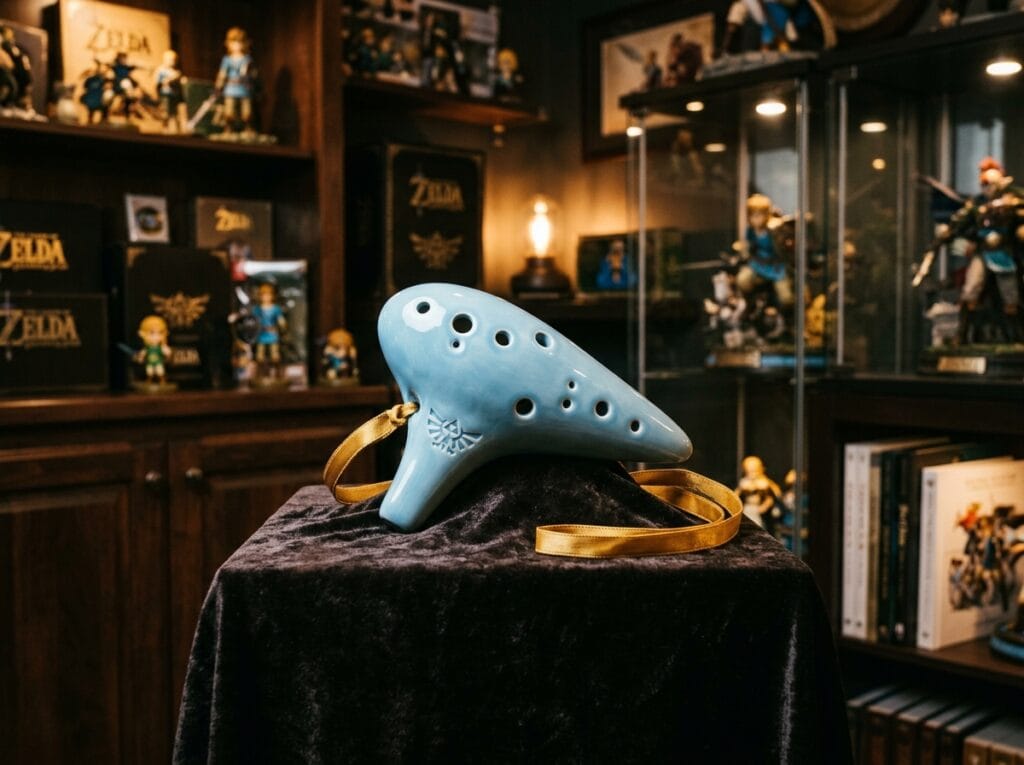
When you are looking to buy a replica of this legendary item, you need to decide if you want a functional instrument or a high quality display piece. Some collectors prefer ceramic ocarinas that actually play the film’s iconic theme song, while others look for resin props that match the exact weathered look from the movie. A good replica should capture the unique shape and blue hue of the original Konatsian design to feel truly authentic. I have spent time testing various models to see which ones hold their tune and which ones are better suited for a glass display case. Finding a piece that balances durability with screen accuracy is the best way to bring a piece of Planet Konats into your own home.
The Magic and Legacy of Tapion’s Flute
The Hero’s Flute remains a legendary piece of Dragon Ball history because it represents the tragic and noble sacrifice of Tapion. Its haunting melody and its power to suppress the darkness of Hirudegarn make it much more than just a musical instrument. For many fans, owning a replica of this ocarina is a way to connect with the emotional core of the Konatsian lore. It stands out in a series usually dominated by power levels and punches, offering a unique magical element that feels truly ancient and mysterious.
If you are looking to add this iconic artifact to your collection, I highly recommend best Tapion ocarina replicas and collectibles. A high quality replica captures the exact look of the flute from the movie and even plays the actual music from the film. While there are cheaper ceramic versions available, a version with high attention to detail and sound quality is the definitive choice for any serious collector. It is the perfect centerpiece for a shelf dedicated to movie heroes and serves as a beautiful reminder of Tapion’s legacy.
Frequently Asked Questions
1. Where did the Hero’s Flute originally come from?
The ocarina was created on Planet Konats by a legendary priest to stop the destruction caused by the phantom monster Hirudegarn. It is a divine artifact specifically designed to produce a melody that can suppress the monster’s dark power (Dragon Ball Z: Wrath of the Dragon).
2. How was the ocarina used to stop Hirudegarn?
Tapion and his brother Minotia played their flutes in unison to hold the beast at bay while a wizard used an enchanted sword to split it in half. This ritual allowed the two halves of the monster to be sealed inside the brothers’ bodies (Dragon Ball Z: Wrath of the Dragon).
3. Why are there two different ocarinas in the lore?
Each brother was given an ocarina so they could work together to control the separate halves of Hirudegarn. One flute was meant to suppress the upper half sealed within Tapion, while the other managed the lower half sealed within Minotia (Dragon Ball Z: Wrath of the Dragon).
4. What happened to the brothers after the monster was sealed?
To ensure the two halves of Hirudegarn could never reunite, Tapion and Minotia were sealed inside music boxes and sent to opposite ends of the galaxy. This sacrifice was intended to keep the universe safe from the monster forever (Dragon Ball Z: Wrath of the Dragon).
5. What should I look for in a high-quality Tapion ocarina replica?
You should look for a replica that captures the ancient and weathered appearance of the original Konatsian instrument. A great display piece or cosplay prop should feel like a legendary artifact rather than a simple toy (Dragon Ball Z: Wrath of the Dragon).
6. Does the ocarina have a connection to the main Dragon Ball timeline?
The ocarina is the central symbol of Tapion’s tragic history and his eventual friendship with Trunks. It represents the sacrifice of the Konatsian people and exploring the legendary Tapion movie lore and the heavy burden Tapion carried for thousands of years (Dragon Ball Z: Wrath of the Dragon).