
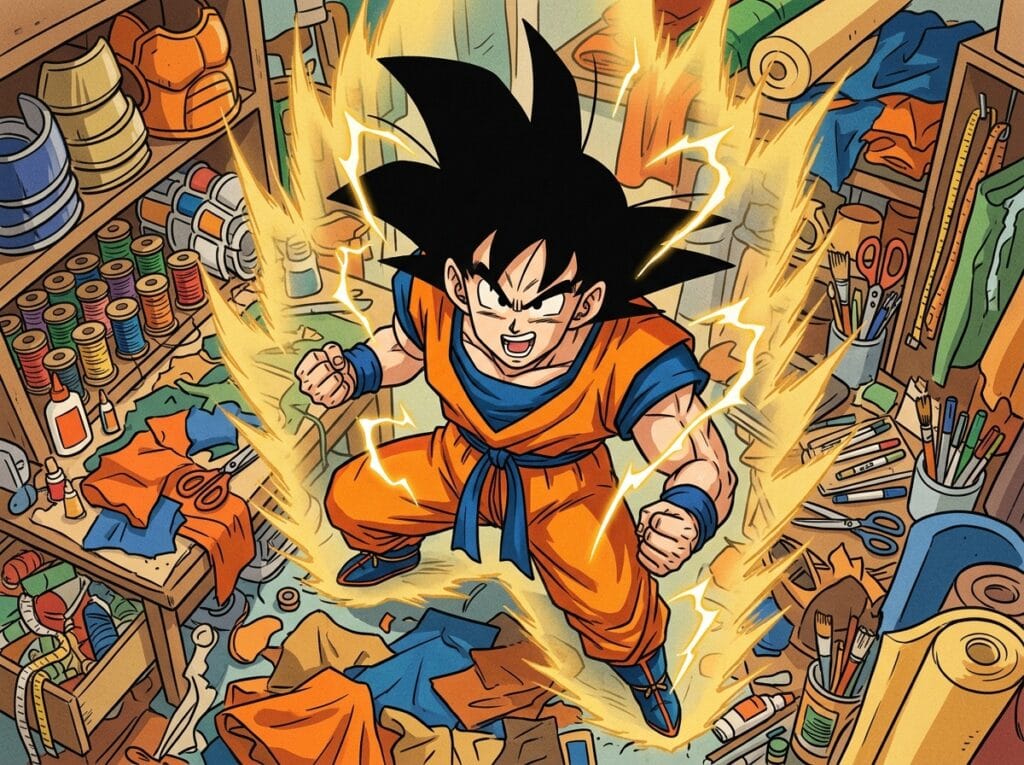
A great Dragon Ball cosplay guide should help me look like the character without leaving me overwhelmed by wigs, armor, and expensive materials. I can choose a character that matches my skill level, budget, and favorite era, whether I prefer Goku’s classic gi, Vegeta’s Saiyan armor, Bulma’s bold outfits, or Piccolo’s distinctive design. Choosing a specific version from Dragon Ball Z, Dragon Ball Super, or Dragon Ball DAIMA is the first step toward matching the colors and details.
I can also use practical tips for building costumes, styling iconic hair, creating accessories, and adding transformation details without making the project too difficult. With the right design and a few smart shortcuts, I can create a recognizable cosplay that feels comfortable, durable, and ready for a convention.
Key Takeaways
- Choose one specific Dragon Ball character version that matches your skill level, budget, comfort needs, and preferred era before buying materials. Designs from Dragon Ball Z, Dragon Ball Super, and Dragon Ball DAIMA can differ significantly in colors, hairstyles, armor, and accessories.
- Make a costume recognizable by prioritizing four visual anchors: signature colors, overall silhouette, hairstyle, and one or two defining accessories. Beginner-friendly characters such as Goku, Krillin, Yamcha, Master Roshi, and Bulma can be created effectively with basic clothing and simple props.
- Save money by adapting plain, thrifted, or existing clothing and using affordable materials such as craft foam, fabric paint, lightweight plastic, and styled wigs. Spend extra effort only on the details that most clearly identify the character.
- Design for convention comfort and safety by using lightweight, breathable, flexible materials, testing movement in advance, securing removable pieces, and following prop rules. Pack water, snacks, repair supplies, and backup essentials for long event days.
Choosing Your Dragon Ball Character
I recommend starting with a character whose outfit uses familiar clothing and only a few distinctive details. Goku, Krillin, Yamcha, Master Roshi, and Bulma are beginner-friendly choices because I can create most of their looks with basic fabrics, colored clothing, and simple accessories. Goku’s orange gi, Krillin’s monk-inspired uniform, and Yamcha’s loose martial arts clothing are easy to recognize. Master Roshi’s sunglasses and shell create a strong silhouette, while Bulma gives me plenty of options because her many outfits can match different sewing skills and budgets. I focus first on the main colors, hairstyle, and signature item instead of trying to recreate every small detail.
Intermediate and advanced choices reward extra work with armor, wigs, makeup, or shaped pieces. Vegeta’s Saiyan armor, Future Trunks’ sword and jacket, Android 18’s layered streetwear, Piccolo’s pointed ears and cape, Frieza’s body markings, and Cell’s patterned design each require more attention to fit and construction. I find Vegeta and Future Trunks especially manageable as next projects if I am comfortable with foam armor or prop making. Piccolo, Frieza, and Cell may require body paint, sculpted details, or carefully styled accessories. I choose lightweight materials and secure each costume part well so I can move comfortably at a convention. A recognizable pose or prop can make a simpler costume feel complete without adding unnecessary expense.
The exact version I choose from Dragon Ball Z, Dragon Ball Super, or Dragon Ball DAIMA matters because the same character may have different colors, hairstyles, armor, and accessories. Vegeta’s armor changes across story arcs, Future Trunks has different hairstyles and clothing between timelines, and Bulma’s outfits vary widely by series and story period. Newer DAIMA designs may use updated proportions, shorter hairstyles, or different accessories, while classic Z versions often include the details many fans recognize first. Before buying materials, I save clear reference images from one specific version and make a short checklist of its colors, shoes, hair, and signature items. This keeps my Dragon Ball cosplay practical and helps me avoid mixing details from unrelated designs.
Building Affordable Dragon Ball Costumes

I start an affordable Dragon Ball cosplay by choosing one specific character version because colors and details can change between Dragon Ball Z, Dragon Ball Super, and Dragon Ball DAIMA. For Goku’s gi, orange and blue fabric or athletic clothing can create the main shape without advanced sewing skills. A blue undershirt, matching wristbands, and a simple painted symbol on fabric help make the outfit recognizable. I can build Vegeta’s armor from white foam sheets over a fitted athletic shirt, then use craft paint for the gold and blue sections. Buying plain clothing first and customizing it usually costs less than making every piece from scratch.
Small accessories often make a simple costume look complete. I use craft foam for Piccolo’s shoulder pieces, collar, and belt details, while a lightweight cape can be made from colored fabric with fabric fasteners. A bright wig gives characters such as Goku, Vegeta, and Future Trunks their signature hair, but styling a less expensive wig with heat-safe tools can help me stay within my budget. Boots or plain shoes in the right color can replace custom footwear, and removable covers can add armor or boot-top details. For Bulma or Android 18, I focus on the correct jacket, skirt, leggings, or hair color instead of copying every small accessory.
Body-safe makeup works well for designs such as Piccolo, Frieza, or other characters with unusual skin tones, but I always test a small area first and remove the makeup according to the product instructions. Water-based face paint is often easier to apply and clean than heavy makeup, while setting powder can reduce smudging at a convention. I also secure wigs with a wig cap and use fabric glue, hook-and-loop fasteners, or safety pins for temporary costume parts. Before buying new supplies, I check athletic clothing, thrifted garments, craft foam, and leftover paint that I can repurpose. This approach keeps my Dragon Ball cosplay affordable while preserving the colors and shapes that make the character easy to recognize.
Recreating Dragon Ball Hair And Details
I start my Dragon Ball cosplay by choosing the exact character version because Goku, Vegeta, Future Trunks, and their Super Saiyan forms can have different colors and shapes. For Goku, I look for a black wig with several rigid spikes. Vegeta needs a tall, sharply peaked front and a clean widow’s peak. Future Trunks works best with a smooth lavender or blue bob, depending on the design I am recreating. For Super Saiyan hair, I use a bright yellow wig or carefully color a light synthetic wig. I then shape each section with affordable wig spray, hair gel, and lightweight craft foam inside the spikes. I test the hairstyle before convention day so the wig stays secure without blocking my vision or becoming uncomfortable.
Small details often make a simple costume immediately recognizable. I match the eyebrow color to the wig for a Super Saiyan look and use makeup to add stronger brows, light contouring, or temporary facial marks without covering my skin too heavily. I can make Piccolo-style antennas from soft foam or flexible tubing, then attach them to a headband for comfort during long events. A tail can use stuffed fabric around bendable wire, but I keep the wire padded and attach it to a belt instead of wrapping it tightly around my body. These details should be lightweight, flexible, and easy to remove when I move through crowded convention spaces.
Accessories also provide useful visual clues, especially when the clothing is simple. I can paint a recognizable insignia onto a fabric patch or use fabric paint on a shirt, gi, belt, or jacket. I check the placement against reference images from the chosen series. I can build a scouter from clear plastic, craft foam, and a colored lens, as long as the lens does not interfere with my vision. I avoid sharp edges and use elastic or a headband instead of a tight frame around my ear. With a few affordable materials and careful color matching, these finishing touches help my beginner Dragon Ball cosplay stand out in photos and online communities.
Preparing Dragon Ball Cosplay For Conventions

I plan my Dragon Ball cosplay around comfort and movement before adding extra details. Lightweight fabrics, breathable layers, and flexible shoes make it easier to walk, sit, and pose during a long convention day, especially for active characters such as Goku or Vegeta. I test the costume by stretching, raising my arms, and sitting down to find tight seams or loose pieces before the event. Weather matters too, so I bring a jacket or cooling layer that can fit under or over the costume without hiding its main colors and symbols. For outdoor lines, sunscreen, water, and a small umbrella can help protect me and my costume.
Props should be safe, light, and easy to carry through crowded halls. I avoid sharp edges, heavy materials, and anything that could be mistaken for a real weapon. I also check the convention’s prop rules before packing items such as a staff, sword, or Dragon Ball accessory. A small repair kit with safety pins, fabric glue, clear tape, spare fasteners, and matching thread can fix common problems quickly. My packing essentials also include snacks, water, comfortable backup shoes, deodorant, phone chargers, and a garment bag or storage container for wigs and armor. I label removable pieces and take a quick photo of the finished costume so I can put everything back together after changing.
Group costumes create stronger photos and make the Dragon Ball theme clear from across the convention floor. I can pair Goku and Vegeta for an easy rivalry setup, gather the Z Fighters for team poses, or choose the Androids for a coordinated but varied group. The Ginyu Force works especially well when several friends want bold poses and recognizable color combinations. Before the convention, I suggest choosing a shared series or story arc because designs from Dragon Ball Z, Dragon Ball Super, and Dragon Ball DAIMA may use different colors, armor, hair, and accessories. Planning a few poses and meeting points in advance makes group photos easier while leaving everyone time to explore the event.
Choose the Right Dragon Ball Character
Choosing a Dragon Ball character starts with matching the costume to my skill level, budget, and comfort needs. As a beginner, I might choose Goku, Krillin, Bulma, or Yamcha because their outfits rely mainly on simple clothing, basic props, and familiar colors. If I have more sewing experience or want a larger project, Vegeta’s armor, Piccolo’s layered look, or Frieza’s sculpted details can provide a rewarding challenge. I also consider comfort, especially when wearing a wig, boots, armor, or a full-body suit for several hours at a convention. Picking a specific version from Dragon Ball Z, Dragon Ball Super, or Dragon Ball DAIMA helps me plan accurately because the colors, hairstyle, and accessories may change between designs.
No matter how much I spend, I can make a cosplay recognizable by focusing on four visual anchors: color, silhouette, hairstyle, and signature accessories. Goku’s orange gi, Vegeta’s pointed hair and armor, Bulma’s changing hairstyles, and Android 18’s bold color combinations each communicate the character quickly. I can save money by adapting clothing I already own, using craft foam for simple shapes, or buying only the most visible accessory instead of recreating every detail. Before finishing, I check that the costume fits comfortably, allows easy movement, and photographs clearly from a distance. With these priorities in place, my Dragon Ball cosplay can feel accurate, personal, and achievable at almost any skill level or budget.
Frequently Asked Questions
1. How do I choose the right Dragon Ball character for my cosplay?
I start with a character whose outfit matches my skill level, budget, and favorite Dragon Ball era. Goku, Krillin, Yamcha, Master Roshi, and Bulma are good beginner choices because their main looks use simple clothing and a few recognizable accessories. I choose the specific version from Dragon Ball Z, Dragon Ball Super, or Dragon Ball DAIMA before buying materials so I can match the colors and details correctly.
2. Which Dragon Ball characters are easiest for beginners to cosplay?
Goku, Krillin, Yamcha, Master Roshi, and many versions of Bulma are beginner-friendly choices. Goku’s orange gi, Krillin’s monk-inspired uniform, and Yamcha’s loose martial arts clothing can be made from basic garments or simple fabric. Master Roshi becomes recognizable with sunglasses and a shell, while Bulma gives me many outfit options for different skill and budget levels.
3. What materials do I need to make a basic Goku cosplay?
A basic Goku cosplay needs an orange gi or orange martial arts outfit, a dark blue undershirt, a blue belt, matching wristbands, and dark boots. I can use ready-made clothing to save time, then add a Turtle School symbol or other details with fabric paint or iron-on designs. I choose breathable fabric and secure the belt well so the costume stays comfortable during a convention.
4. How can I create Dragon Ball hair without spending too much money?
A styled wig is the easiest way to recreate iconic hair such as Goku’s spikes, Vegeta’s tall shape, or Future Trunks’ layered style. I look for a wig close to the final color and use hairspray, foam, or lightweight shaping pieces to build the form instead of buying an expensive custom wig. For a simple costume, I focus on the overall silhouette because the hairstyle usually matters more than every individual spike.
5. What is the best way to make Saiyan armor for a Vegeta cosplay?
I use lightweight craft foam, flexible plastic, or a ready-made armor set to create Vegeta’s chest piece and shoulder sections. I build the armor over a shirt or bodysuit that fits comfortably, then test my arm movement before adding final details. I paint the pieces in the correct white, gold, and blue colors and use elastic or hook-and-loop fasteners so I can put the costume on and remove it easily.
6. How can I cosplay a detailed character like Piccolo, Frieza, Cell, or Android 18?
I break the design into its most recognizable features instead of trying to recreate every detail at once. Piccolo needs pointed ears, green makeup or clothing, a cape, and a strong silhouette, while Frieza and Cell require careful body markings and color placement. Android 18 works well with layered streetwear, so I can focus on finding the right jacket, shirt, skirt or pants, and accessories before adding smaller details.
7. How do I make Dragon Ball cosplay accessories safely?
I create simple accessories from foam, cardboard, fabric, plastic, or 3D-printed parts, depending on my tools and experience. For items such as Future Trunks’ sword or Master Roshi’s shell, I use lightweight materials with rounded edges and secure straps that will not irritate my skin. I check convention rules before bringing weapons, large props, or oversized accessories, and I never use a sharp or functional blade.
8. How can I keep my Dragon Ball cosplay comfortable and affordable?
I choose clothing I can move and sit in, then wear comfortable shoes that match the character as closely as possible. I save money by using basic garments, thrifted pieces, fabric paint, and simple accessories. I spend more only on details that define the character. I test the full costume at home before the convention, especially the wig, armor, makeup, belt, and footwear, so I can fix discomfort early.

