Dragon Ball deleted scenes are not one simple collection of lost footage. The term can refer to officially released omissions, censored television edits, anime material removed from Dragon Ball Z Kai, or story ideas that never reached animation. I know it can be difficult to separate confirmed scenes from rumors, especially when online lists combine these categories.
The clearest examples come from officially released bonus footage. Other cases require comparing broadcasts, home releases, scripts, storyboards, and manga drafts. I’ll explain what each type means and show where the evidence is strong, as well as where claims remain unconfirmed. This makes it easier to understand what was truly cut, what was edited, and what may never have existed as finished animation.
Key Takeaways
- “Dragon Ball deleted scenes” covers several distinct categories: officially released omitted footage, censored broadcast edits, material removed from Dragon Ball Z Kai, and ideas that were never fully animated.
- The “TV Deleted Scenes” bonus feature on the Dragon Ball Z: Dead Zone DVD is one of the clearest examples of officially preserved omitted footage, although its label does not prove the scenes were cut from the original Japanese broadcast.
- Dragon Ball Z Kai removed or shortened anime-original material, including the Garlic Jr. Saga, but those scenes are not lost because they remain available in the original Dragon Ball Z episodes and other releases.
- Scripts, storyboards, drafts, and concept art demonstrate planned or unused ideas—not necessarily completed deleted scenes—so claims should be verified against specific broadcasts, home releases, and official production sources.
Introduction To Dragon Ball Deleted Scenes
“Dragon Ball deleted scenes” can describe several kinds of missing or altered material, so I first separate confirmed footage from fan speculation. Some scenes were released later, such as the “TV Deleted Scenes” included with the Dragon Ball Z: Dead Zone DVD. Other scenes were shortened or censored for television, which means a moment may appear in one version but not another. The term can also include anime-original scenes removed from Dragon Ball Z Kai, along with story ideas that were planned but never animated.
This range is what makes these scenes interesting to longtime fans. They show how the series changed across broadcasts, home releases, and revised cuts. Planned material from Dragon Ball Super: Broly, for example, may survive only in scripts, storyboards, or production comments rather than finished animation. I also treat unused manga drafts, character designs, and early concepts as related production material, not automatically as deleted scenes. Since there is no complete official catalog of every missing moment, I will identify what is confirmed, explain what was edited, and separate documented material from uncertain online claims.
Dead Zone TV Deleted Scenes

The clearest official example of Dragon Ball deleted scenes appears on the Dragon Ball Z: Dead Zone DVD in a bonus feature labeled “TV Deleted Scenes.” I consider this feature valuable evidence because it presents actual footage left out of a released version instead of relying on fan recollections or unfinished production material. The scenes are commonly connected with early material from “The New Threat” and “The Arrival of Raditz,” which makes the feature useful for viewers comparing different releases (Dragon Ball Z episodes 1 and 9, “The New Threat” and “The Arrival of Raditz”). It also shows how a short bonus label can raise larger questions about where and when an edit happened.
The phrase “TV Deleted Scenes” does not necessarily prove that the footage was removed from the original Japanese broadcast. It may describe an edit made for a specific television version, dub, or distribution release rather than a change to the first Japanese airing. For that reason, I describe these clips as officially released omitted footage while avoiding the stronger claim that they were definitely cut from the Japanese episodes themselves (Dragon Ball Z episodes 1 and 9, “The New Threat” and “The Arrival of Raditz”). This distinction matters because fans often use “deleted scene” to mean any material missing from the version they first watched.
Even with that uncertainty, the Dead Zone bonus remains an important starting point for researching Dragon Ball deleted scenes. It gives viewers a preserved reference for comparing pacing, dialogue, and story details across releases without treating every online list as equally reliable. I also find it useful as a reminder that censorship, localization edits, Kai revisions, and unused animation are separate categories. Keeping them apart makes it easier to identify what was removed, from which version, and why.
Broadcast Censorship And Edited Footage
When I use the term “Dragon Ball deleted scenes,” I separate true production omissions from footage changed for television. English-language broadcasts sometimes shortened violent moments, softened dialogue, removed nudity, or cut individual shots considered too graphic or unsuitable for younger viewers. These edits do not always mean that the scene was deleted from the original episode, because the longer version may still appear on home video or in another broadcast package. For example, a brief impact shot or line of dialogue may be missing while the surrounding action remains intact.
Different international releases can make the same episode appear to contain different footage. Broadcast standards, time limits, dubbing choices, and local content rules all influenced how episodes were prepared for television, so one version may preserve a scene that another shortens or removes. I also treat anime-original material removed from Dragon Ball Z Kai as a separate category because Kai revised the series instead of simply restoring censored footage. This distinction helps explain why fan discussions sometimes treat filler, censorship, and genuine deleted scenes as the same thing.
Some omitted material has been officially preserved, offering a clearer look at what changed. The Dragon Ball Z: Dead Zone DVD, for instance, includes a feature identified as “TV Deleted Scenes,” which provides evidence of broadcast cuts rather than ordinary production trivia. Even so, there is no complete official catalog of every deleted or altered scene across the franchise. Online lists can mix confirmed footage with storyboards, unused ideas, Kai edits, and fan speculation. I compare releases carefully and describe the source of each change instead of presenting every missing shot as a mystery.
Dragon Ball Z Kai Removed Filler

Dragon Ball Z Kai removed or shortened much of the anime-original material that expanded the original series. The clearest example is the Garlic Jr. Saga, which takes place after Frieza’s defeat and follows Garlic Jr.’s return while Gohan, Krillin, and Piccolo defend Earth, Dragon Ball Z episodes 108–117. Because this storyline was not adapted from the manga, Kai leaves it out instead of retelling it in a shorter form. This makes it one of the most noticeable examples of material removed from Kai.
Still, “deleted from Kai” does not mean “lost forever.” The Garlic Jr. episodes remain part of the original Dragon Ball Z release, and many scenes shortened or omitted from Kai can be found by watching those earlier episodes or using official home video and streaming versions where available. I also find it useful to separate Kai’s edits from censorship and genuinely deleted production footage because these are different kinds of changes. In this case, the story was cut from Kai’s streamlined version, but the original episodes and their animated scenes still exist.
Broly Storyboards And Unused Concepts
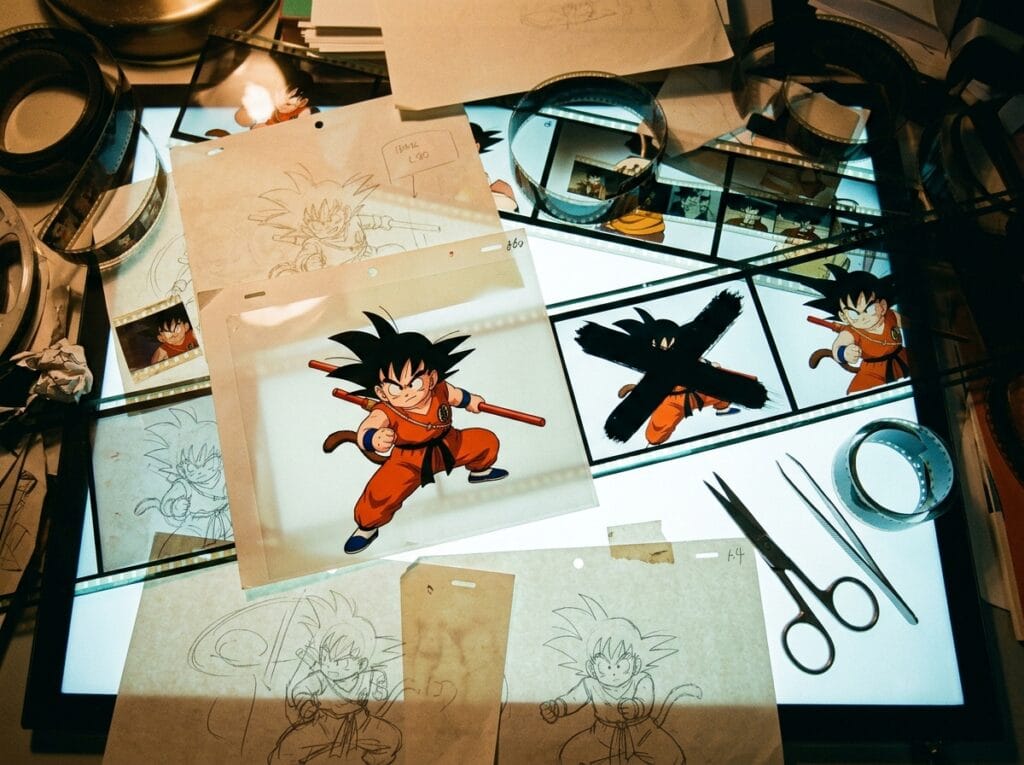
When I investigate Dragon Ball deleted scenes, I treat storyboards and scripts as evidence of planned material, not proof that a finished scene once existed. Dragon Ball Super: Broly is a useful example because early production ideas may have included longer character exchanges, alternate action beats, or different ways to present Broly’s past before the final film was completed. These materials show how the story changed during production, but a storyboard panel is not the same as animated footage removed from the release. I use terms such as “unused scene,” “cut sequence,” or “early version” only when the available source supports that description.
I also separate confirmed omissions from fan interpretations and unofficial claims. An unused character design, manga draft, or alternate costume can reveal the creators’ direction, but it should be labeled as a concept rather than a deleted Dragon Ball scene. This distinction matters because online lists often combine unfinished ideas, shortened moments, censored footage, and scenes removed from revised anime versions. By comparing scripts, storyboards, released footage, and production comments, I can explain what was planned, what changed, and what remains uncertain without presenting speculation as fact.
Conclusion On Dragon Ball Deleted Scenes

Dragon Ball deleted scenes can mean several different things, so I find it helpful to separate confirmed footage from material that was simply changed or never completed. Some releases include clearly labeled bonus footage, such as the “TV Deleted Scenes” on the Dragon Ball Z: Dead Zone DVD. Censored broadcast versions are different because they remove or alter moments from an existing episode rather than reveal newly produced content. These changes may affect violence, dialogue, or visual details, depending on the version.
Dragon Ball Z Kai adds another layer because it removes much of the anime-original material created for the longer Dragon Ball Z broadcast. A scene missing from Kai is not automatically a deleted scene from the original production. It may be filler that Kai chose to leave out while creating a faster adaptation. Planned storyboards, scripts, character designs, and unused ideas also need a separate label, especially when discussing material associated with Dragon Ball Super: Broly. These sources can show what the creators considered, but they do not prove that a complete animated scene once existed.
After comparing these categories, I think every claim about Dragon Ball deleted scenes should be tied to a specific release, broadcast version, interview, script, or production source. There is no single official catalog from the franchise’s rights holders that records every omitted, censored, shortened, or unproduced moment. Online lists often combine bonus footage, censorship, Kai edits, storyboard material, and fan speculation as if they were the same thing. Checking the original source preserves the mystery and nostalgia while making it clear what is confirmed, what is edited, and what was never animated.
What Dragon Ball Deleted Scenes Reveal
Dragon Ball deleted scenes reveal how much a finished release can differ from the story originally planned or broadcast. I found that the term can describe officially released omitted footage, censored television edits, anime material removed from Dragon Ball Z Kai, and scenes that existed only in scripts or storyboards. A clear example is the “TV Deleted Scenes” material included with the Dragon Ball Z: Dead Zone home release, which gives fans a chance to see footage that was not part of the original television presentation. These examples make the subject more than a search for lost animation because they also show how editing, censorship, and format changes shaped the series.
At the same time, I treat online lists with care because there is no complete official catalog of every Dragon Ball deleted scene. Some entries combine confirmed footage with removed filler, shortened moments, unused designs, or fan speculation, even though these categories are different. Comparing home releases, broadcast versions, Kai edits, and reliable production information offers the clearest way to separate documented material from rumor. For fans, this process preserves the nostalgia while providing a more accurate look at the creative decisions behind Dragon Ball.
Frequently Asked Questions
1. What are Dragon Ball deleted scenes?
I use “Dragon Ball deleted scenes” to describe footage, story material, or moments removed from an official version of the series. This can include officially released bonus scenes, television edits, anime material cut from Dragon Ball Z Kai, and planned ideas that were never animated.
2. Are all Dragon Ball deleted scenes officially confirmed?
No. Some deleted scenes are confirmed because they appear in official bonus features, home releases, scripts, or production materials. Other claims come from fan lists and rumors, so I treat them carefully unless reliable evidence supports them.
3. Where can I find officially released Dragon Ball deleted scenes?
One clear example is the “TV Deleted Scenes” footage included with the Dragon Ball Z: Dead Zone DVD. Official home releases and bonus features are among the strongest sources because they show that the material existed and was intentionally presented to fans.
4. What is the difference between a deleted scene and a censored scene?
A deleted scene is removed from a particular version, while a censored scene is usually changed or shortened to meet broadcast standards. A censored moment may still appear in another broadcast, an uncut home release, or a different regional version, so I compare versions before calling it permanently deleted.
5. Did Dragon Ball Z Kai remove scenes from the original anime?
Yes. Dragon Ball Z Kai was made as a revised version of Dragon Ball Z, so it removed or shortened some anime-original material. I classify those moments as scenes cut from Kai, not necessarily lost footage, because they remain available in the original series or other releases.
6. Do unused manga drafts and character designs count as Dragon Ball deleted scenes?
Not automatically. Unused manga drafts, early character designs, and concept art are related production material, but they are not deleted scenes unless they were developed as animated footage or as part of a completed scene. I keep these categories separate to avoid presenting an early idea as finished animation.
7. Were there deleted scenes planned for Dragon Ball Super: Broly?
Some planned material connected to Dragon Ball Super: Broly may survive in scripts, storyboards, or production comments rather than finished animation. I can describe these as unused or planned ideas, but I do not call them confirmed deleted scenes unless there is evidence that the scenes were actually animated.
8. How can I tell whether a Dragon Ball deleted scene is real?
I compare the original broadcast, later television versions, home releases, scripts, storyboards, manga drafts, and official production comments. Footage shown in an official release is the strongest evidence, while claims based only on online lists or fan discussions should remain unconfirmed.

